

The selection of a venue is the foundational decision that dictates the logistical framework of your entire event. Unlike domestic weddings where aesthetics often lead the decision-making process, a destination wedding in Italy requires a rigorous analysis of capacity, accommodation ratios, and accessibility.
When you get married abroad, your venue becomes more than just a beautiful backdrop; it’s the heart of your guests’ multi-day experience. While falling in love with a property’s charm is easy, successful planning means looking at the functional side first. Does it offer exclusive use? Is there a solid “Plan B” for rain? What are the local music curfews? Whether you’re dreaming of a three-day weekend or an intimate single-day celebration, the style of your venue will directly guide your budget and vendor team.
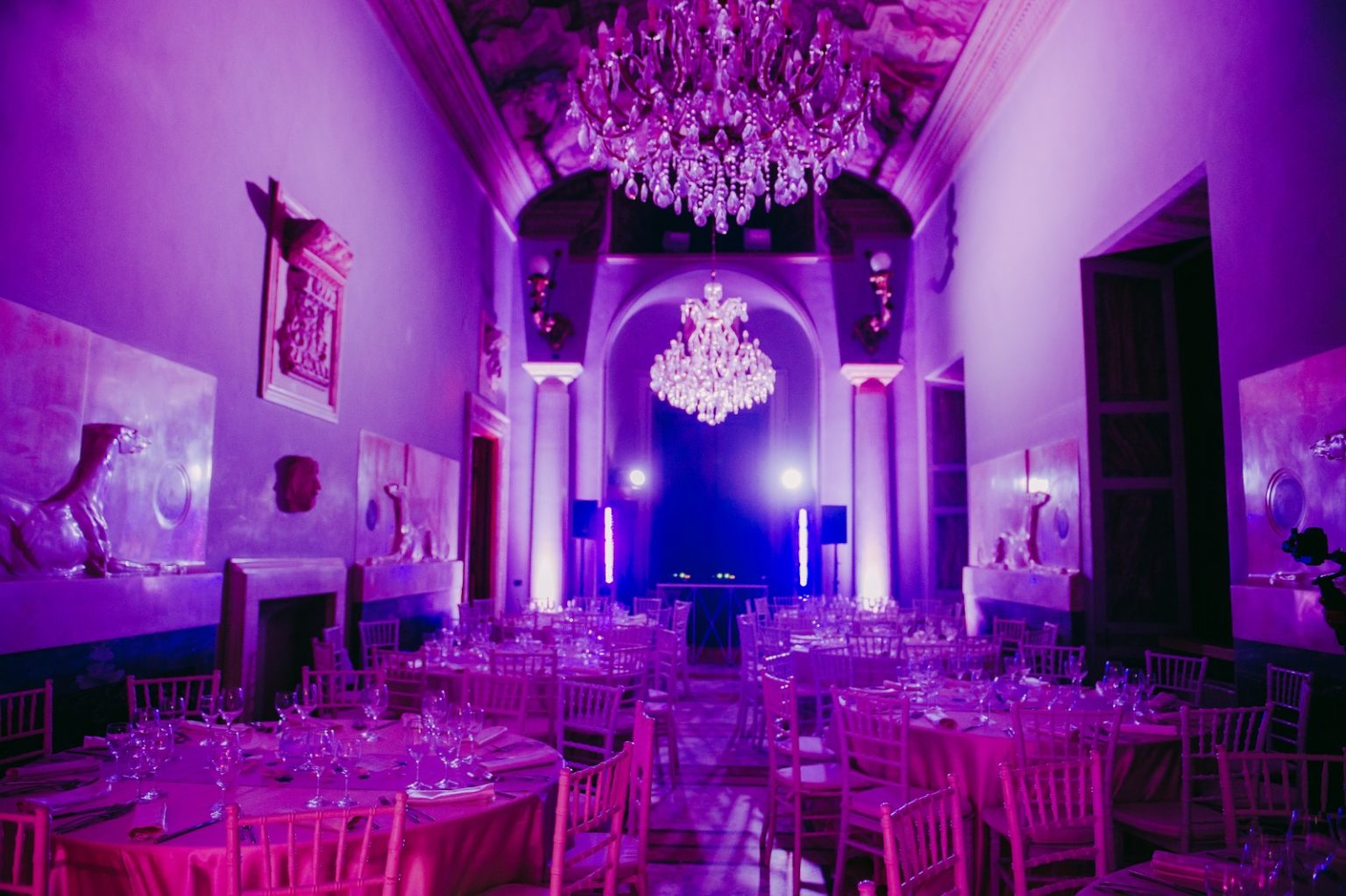
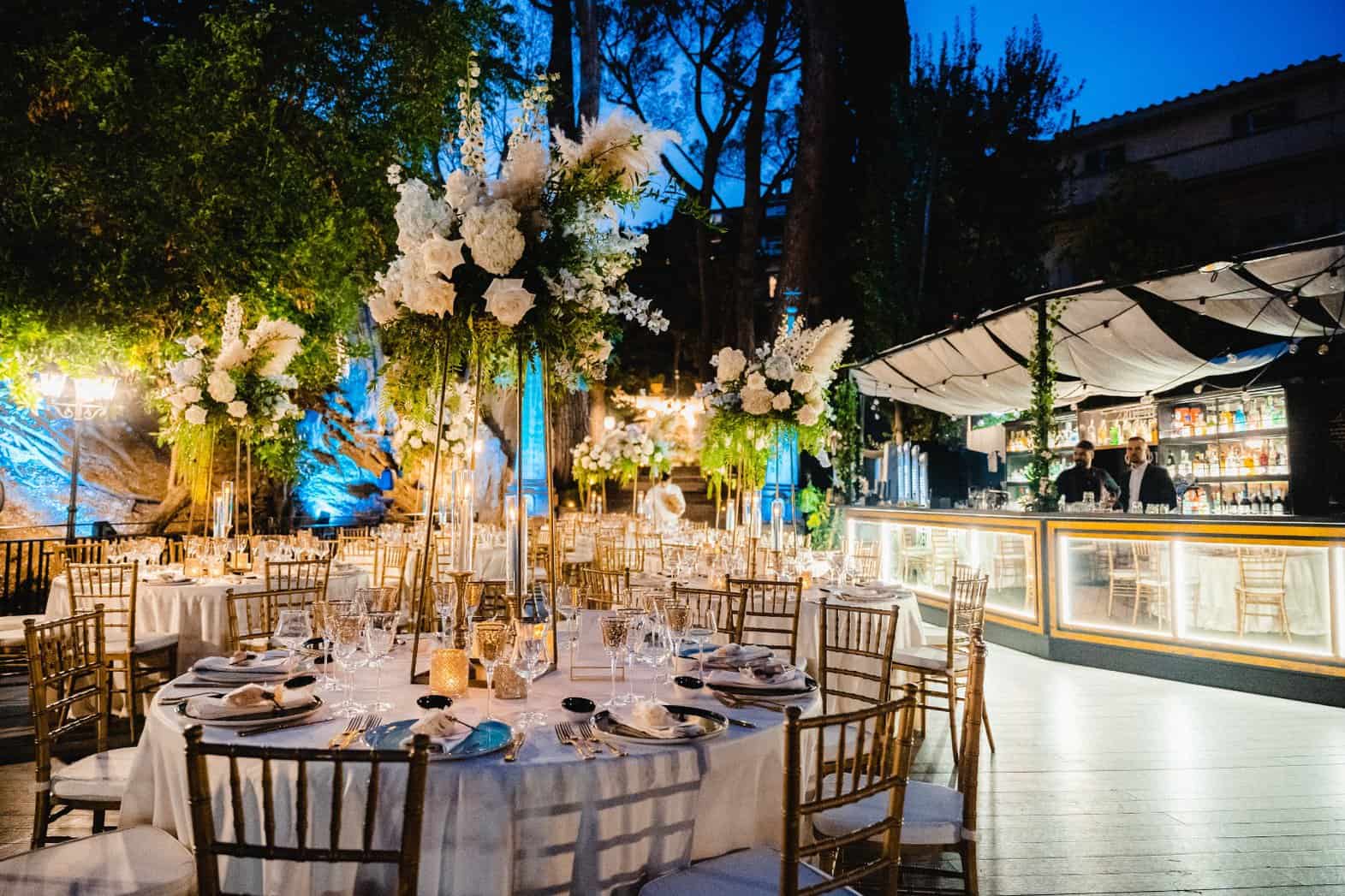
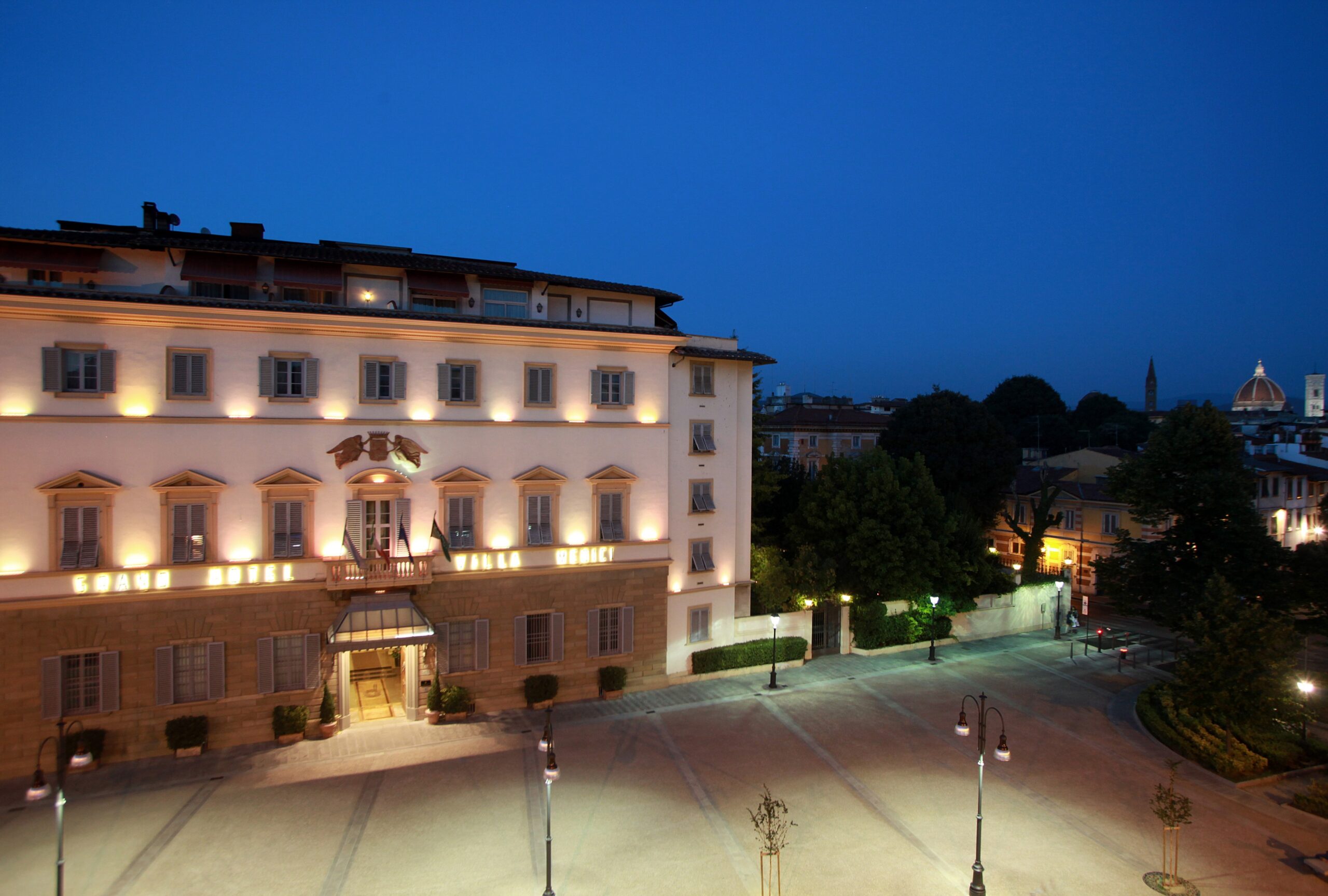
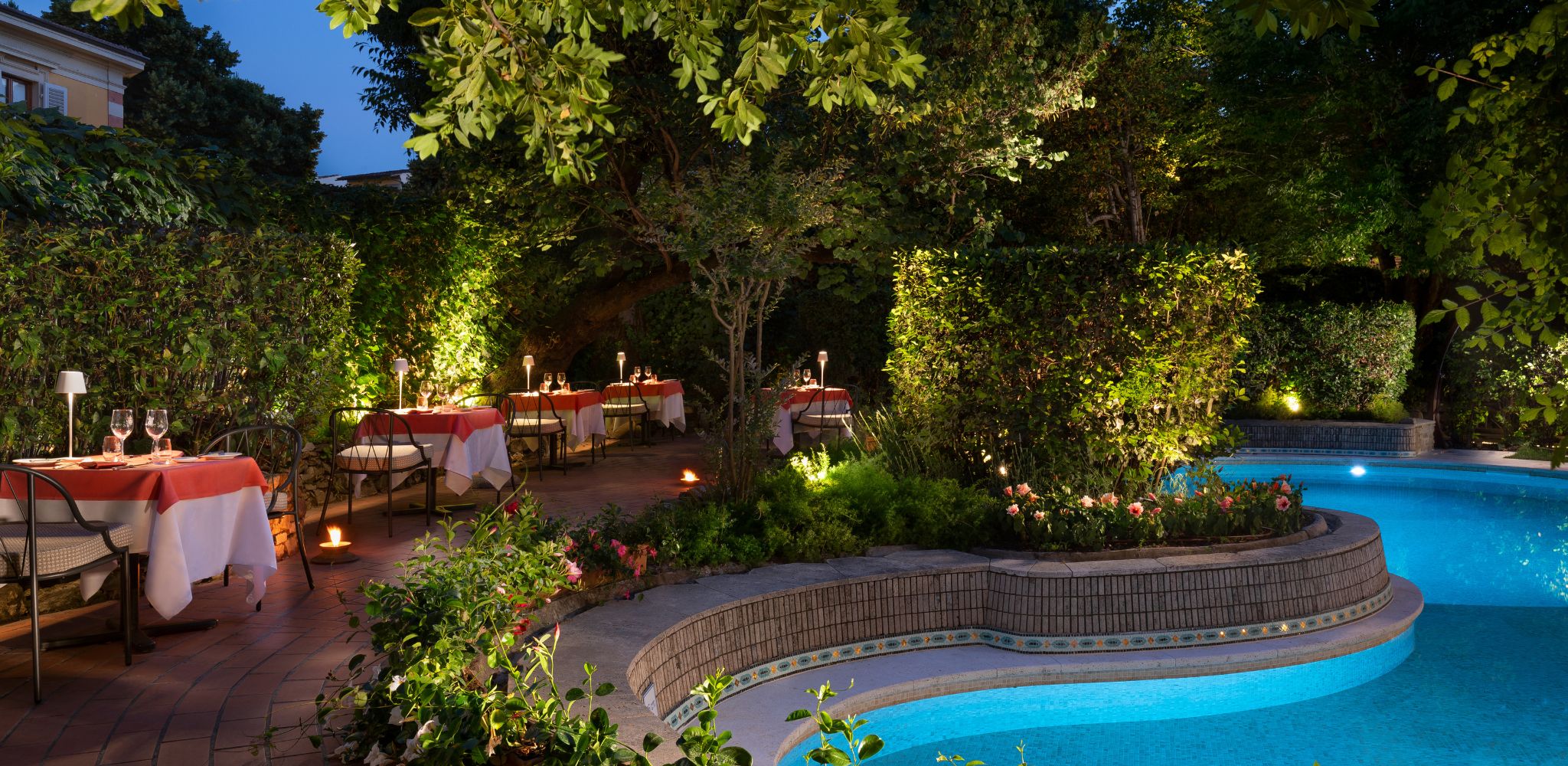
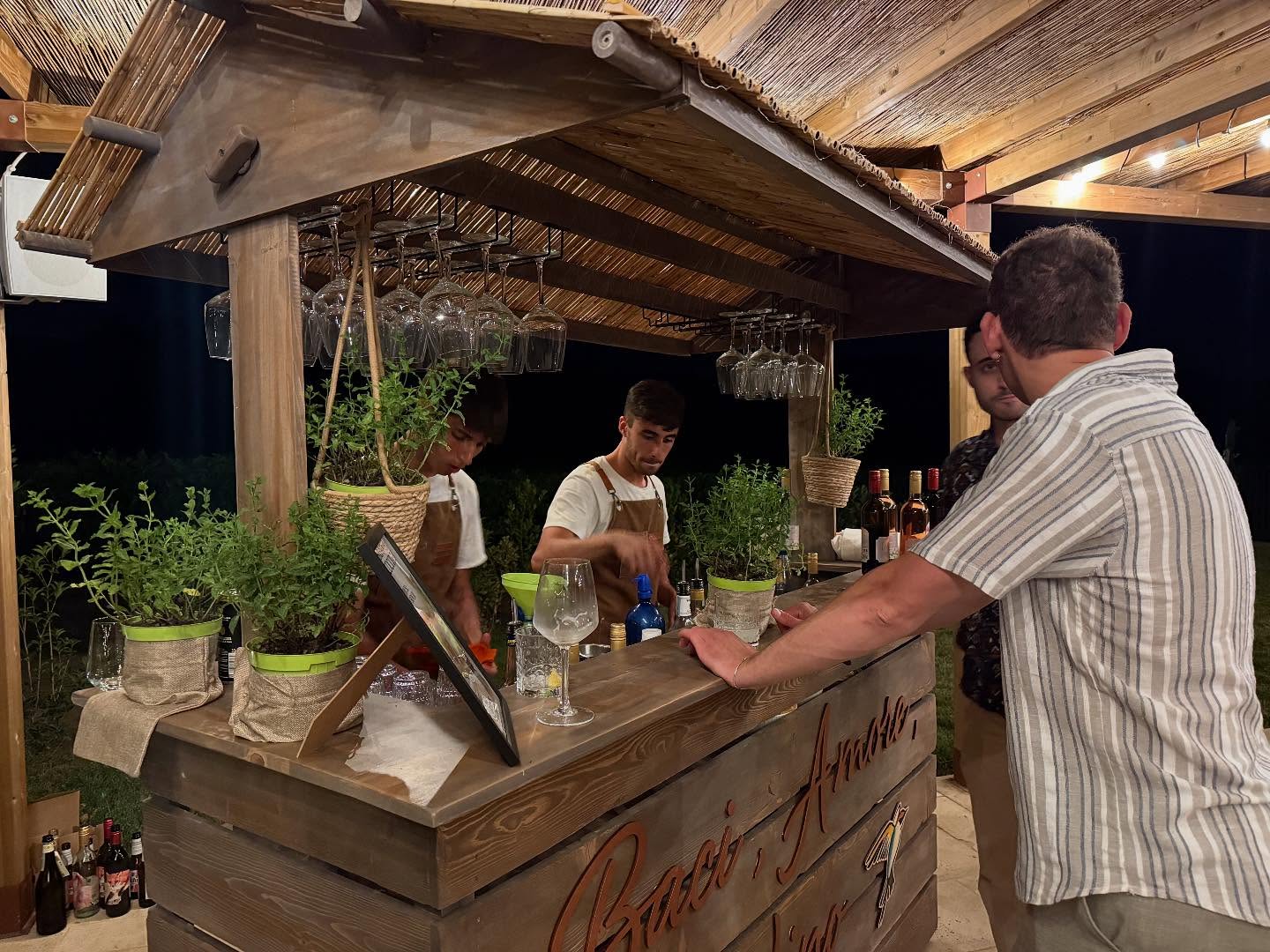
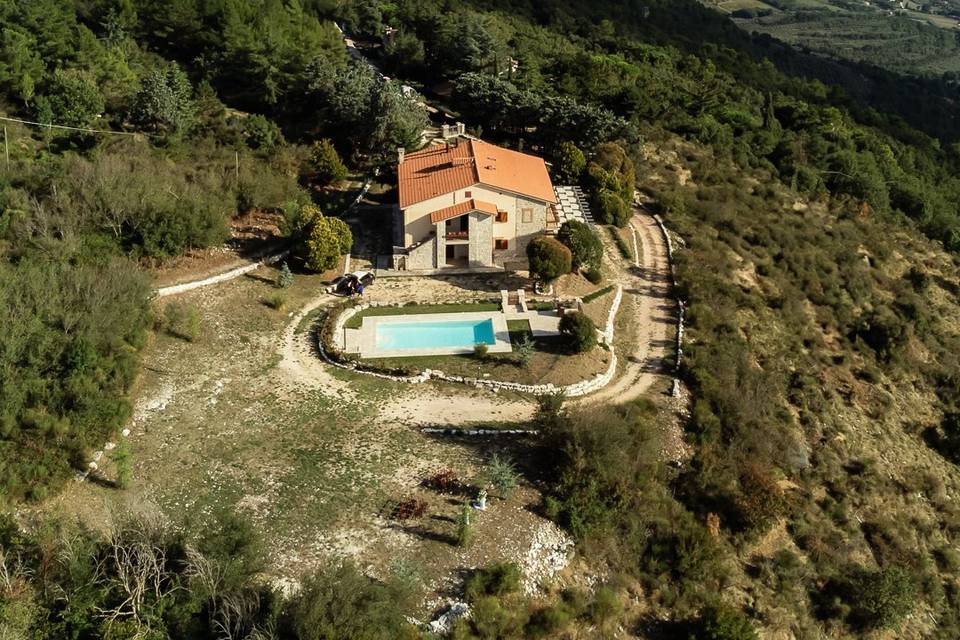
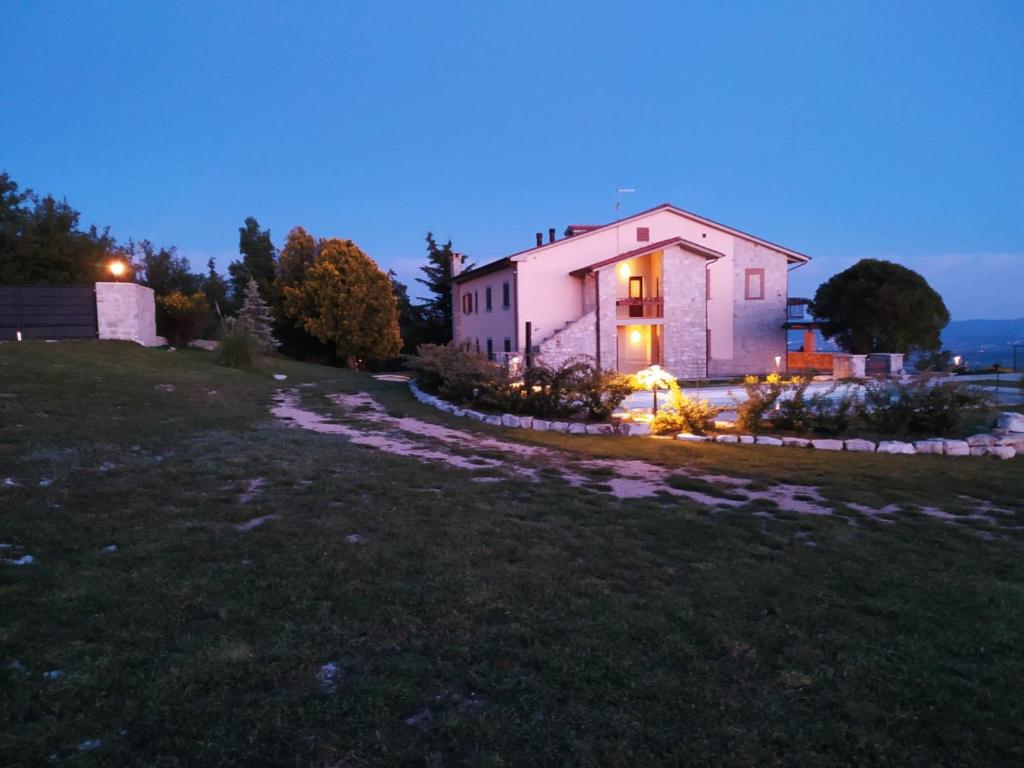
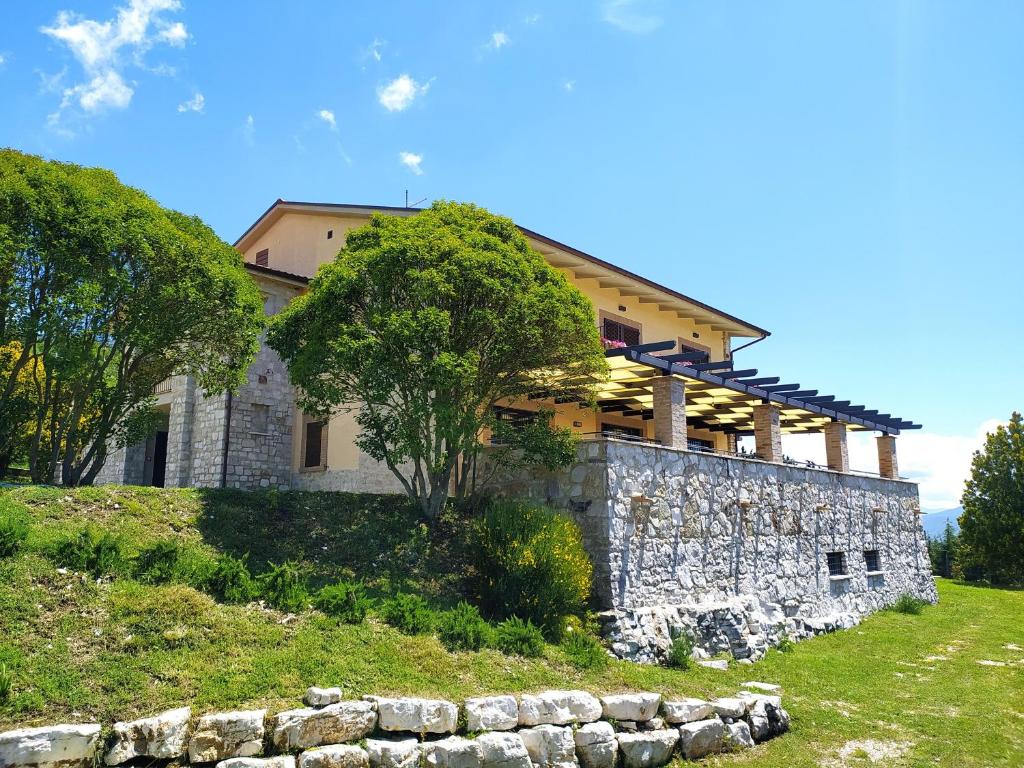
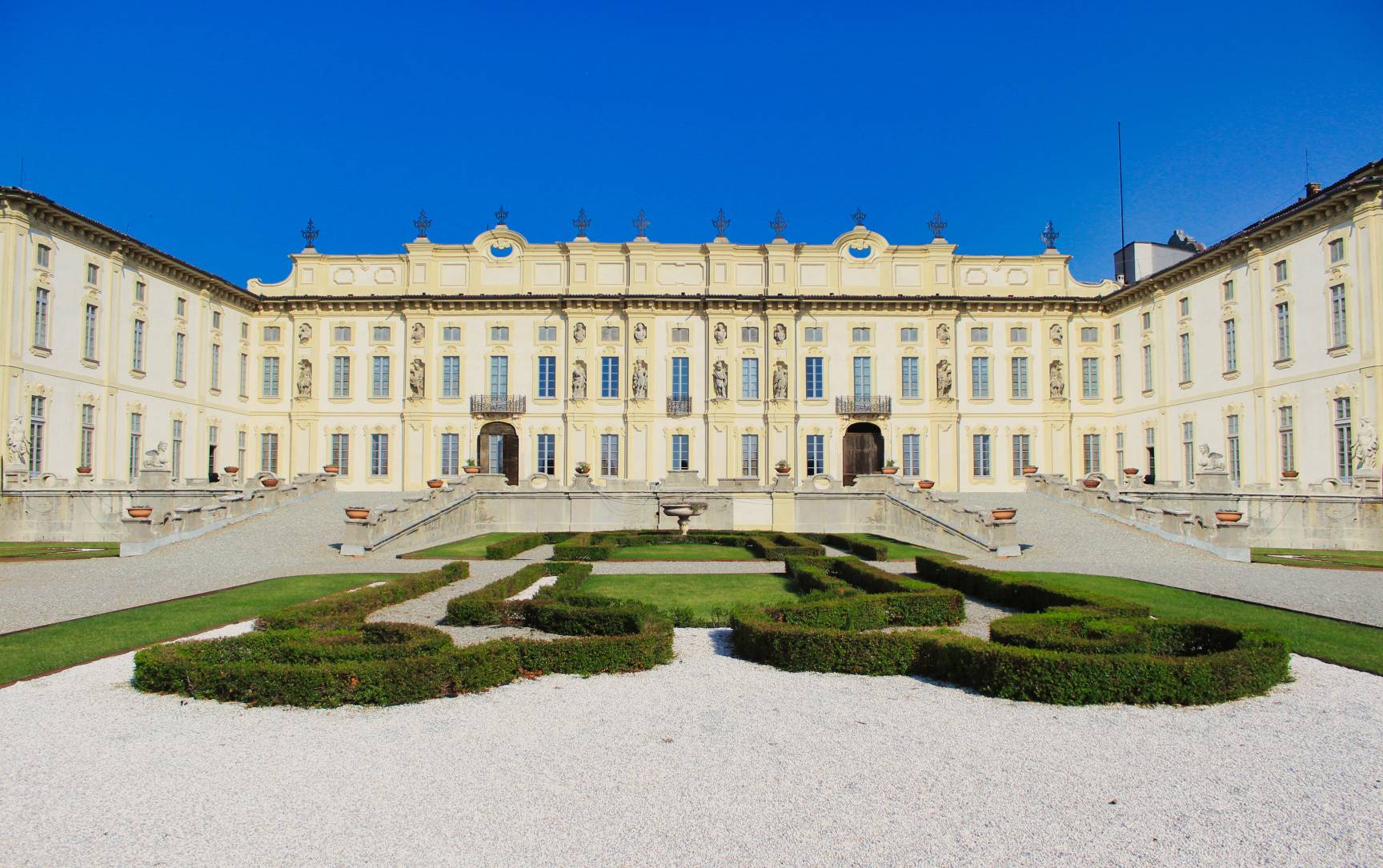
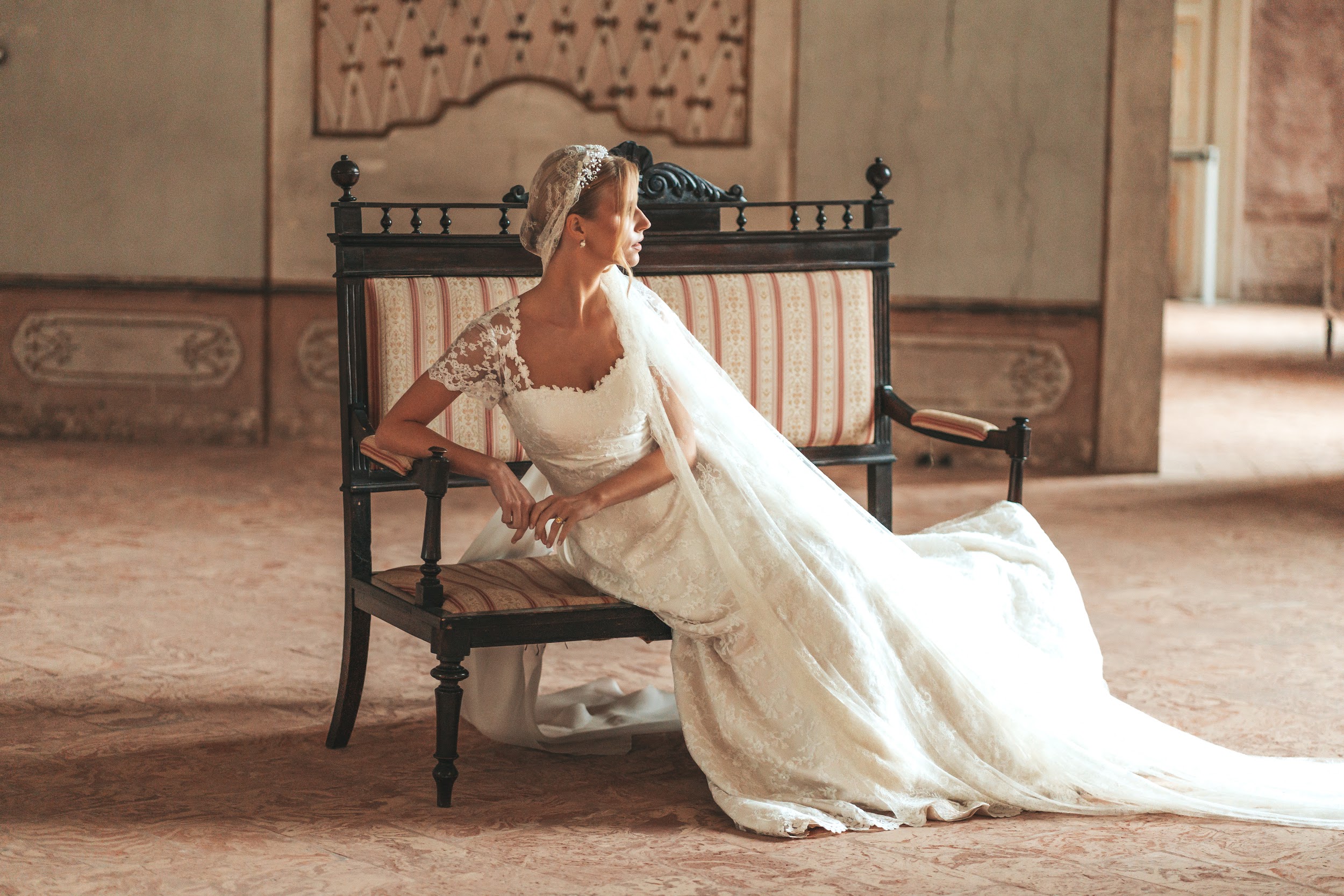
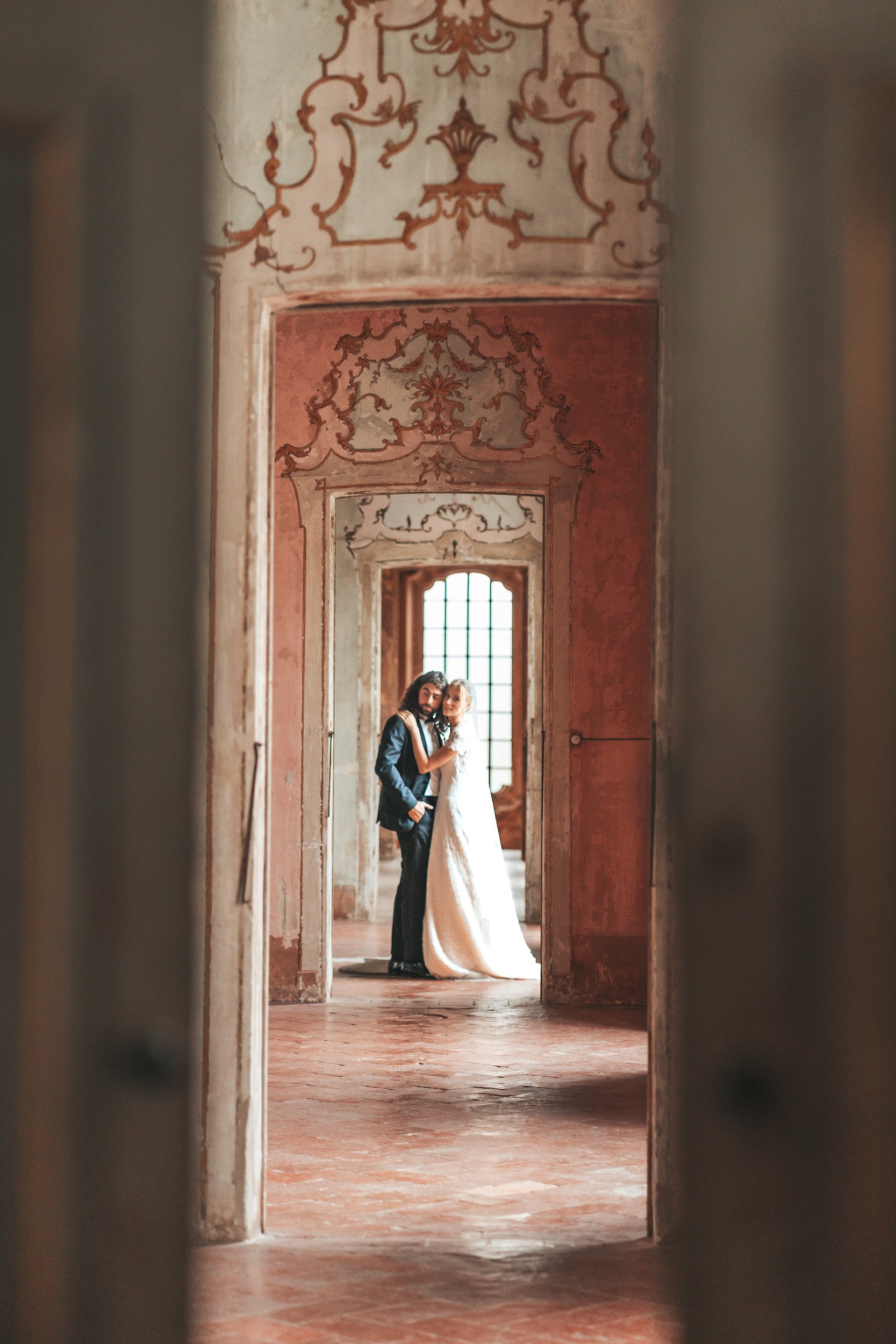
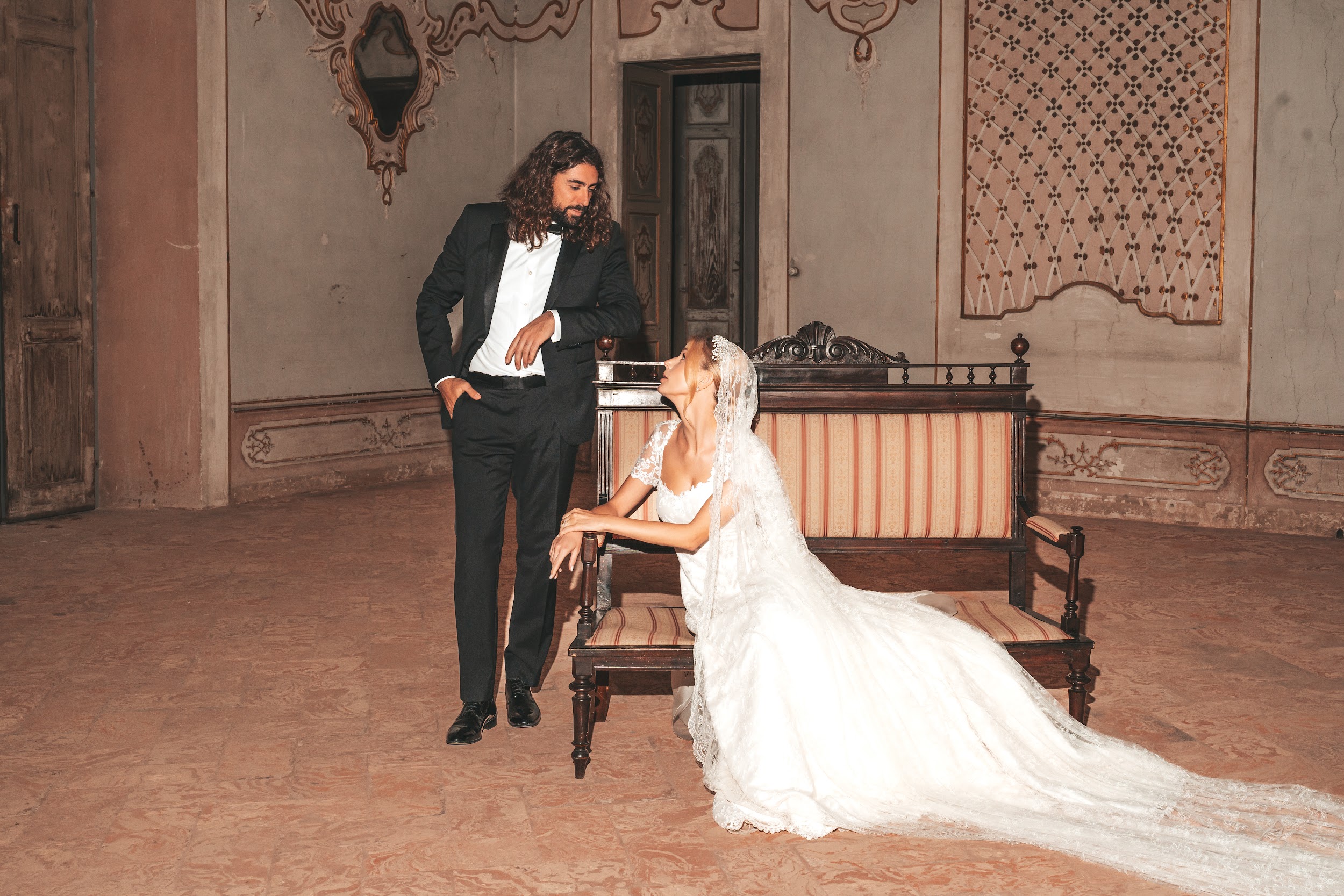
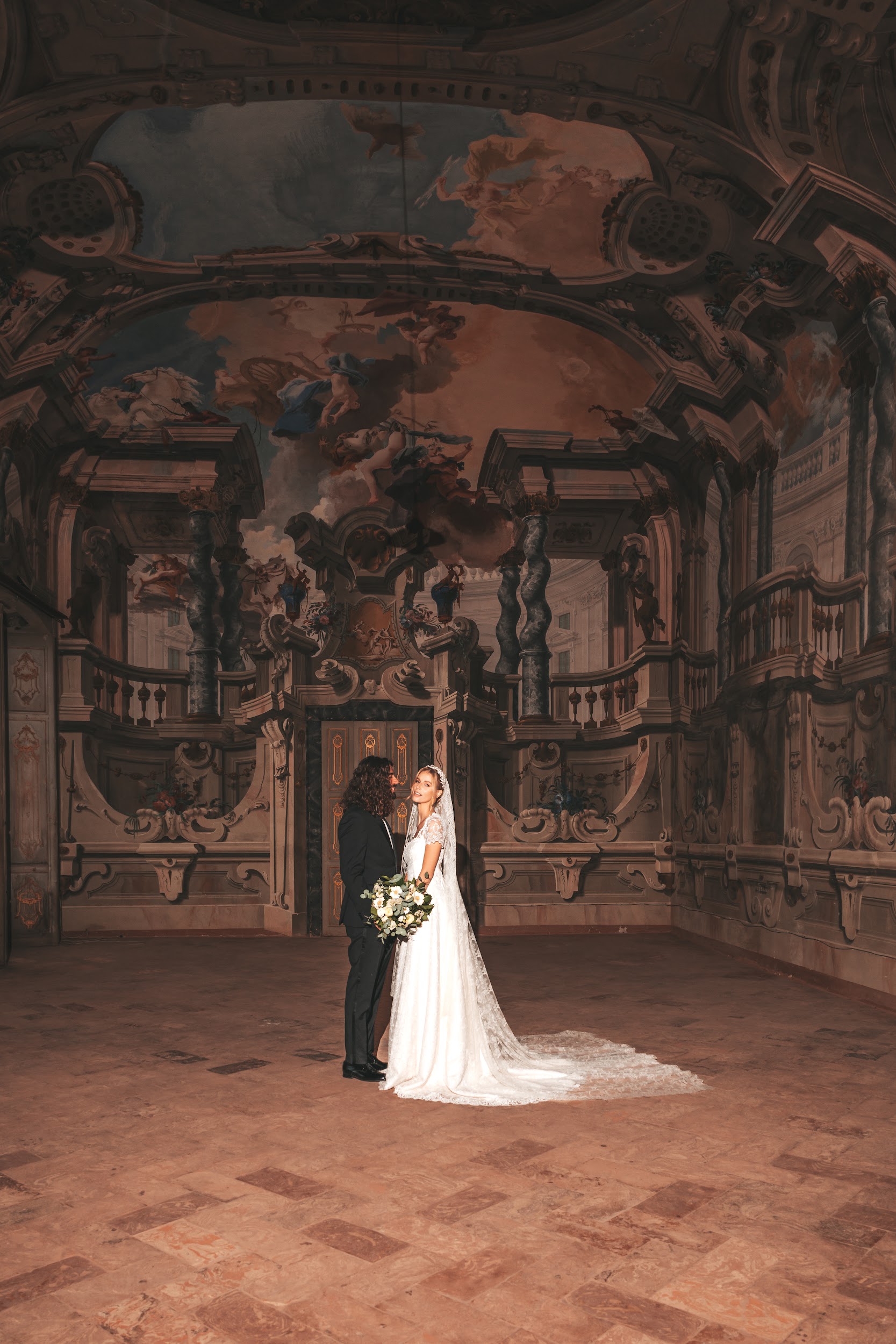
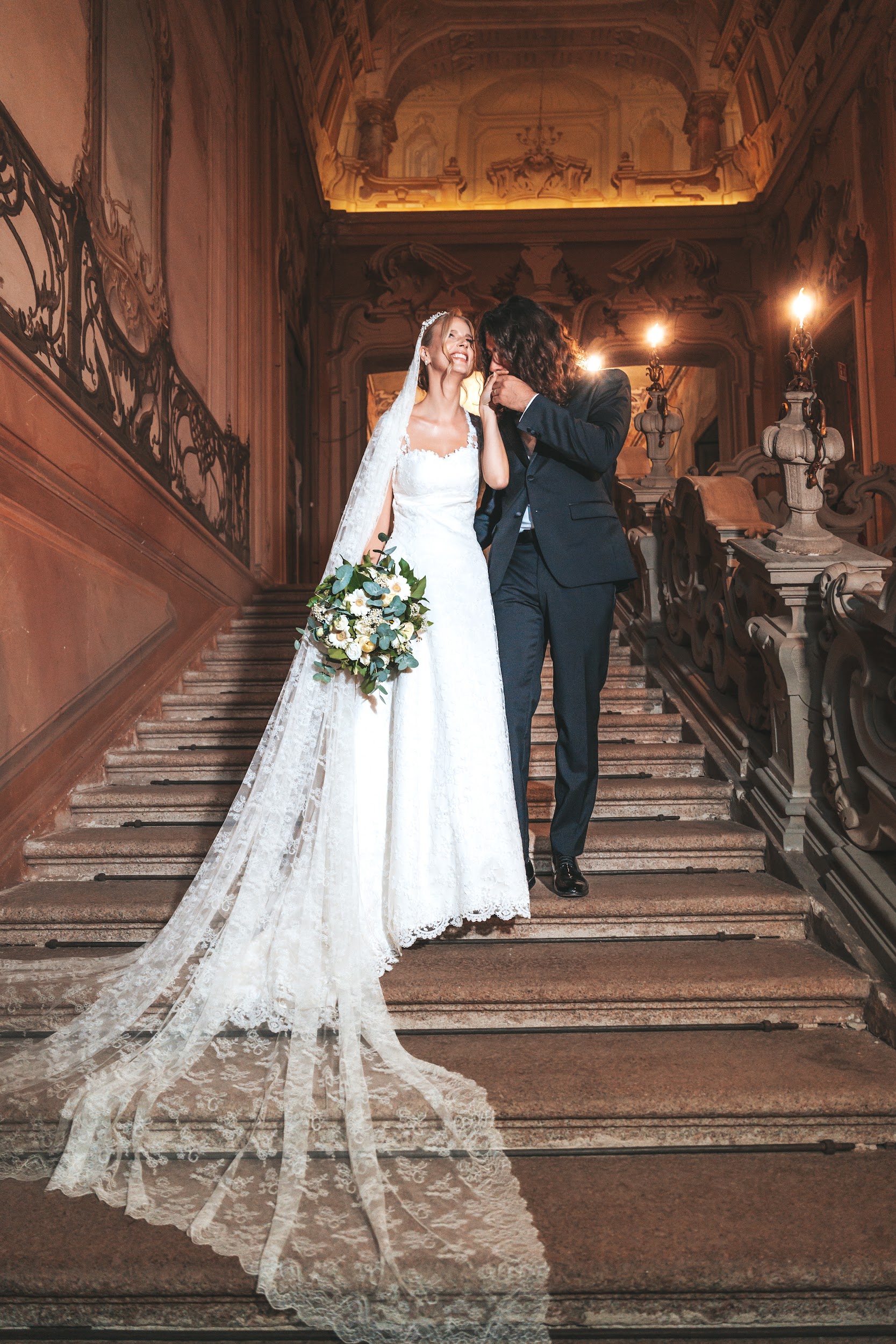
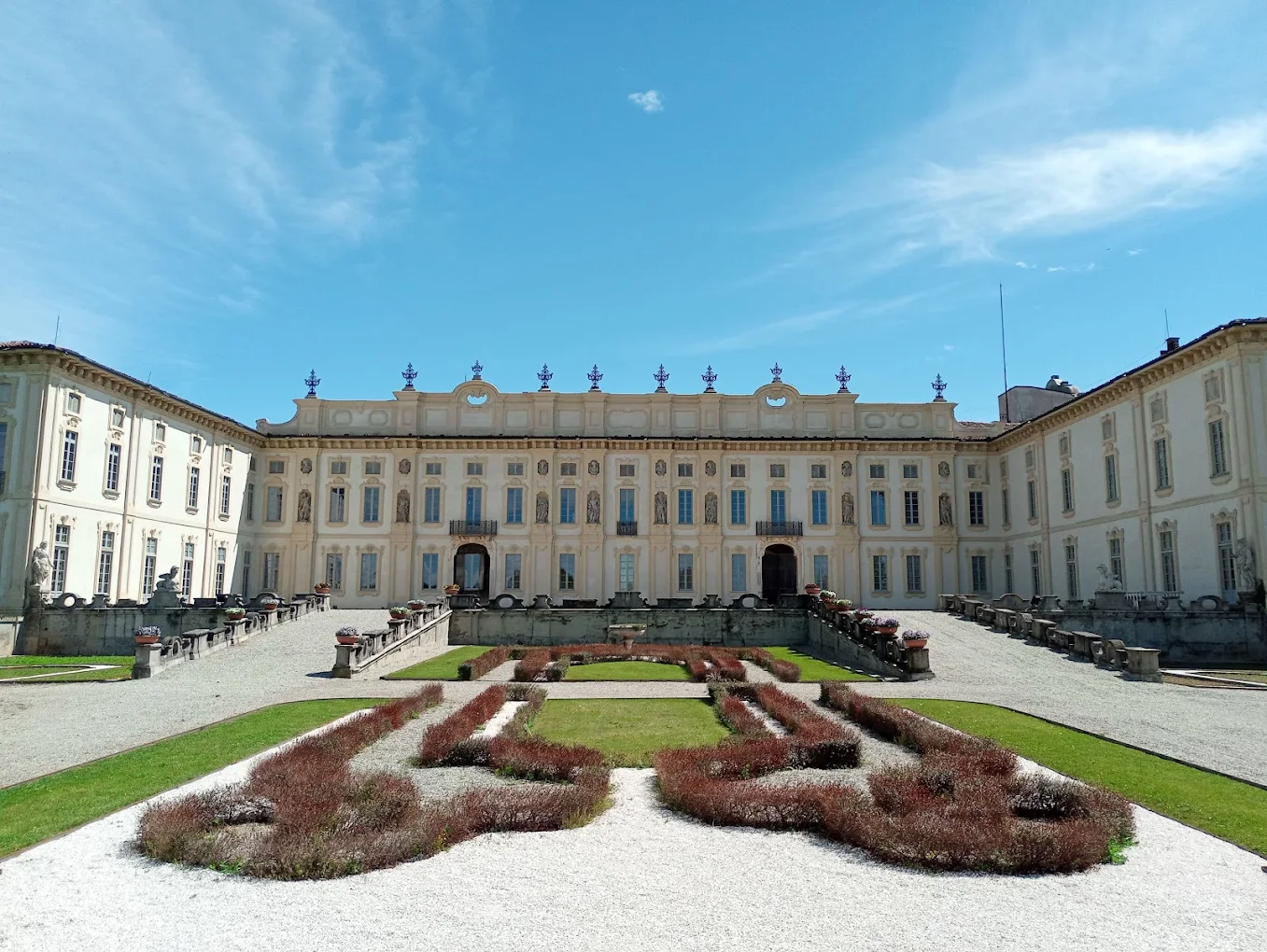
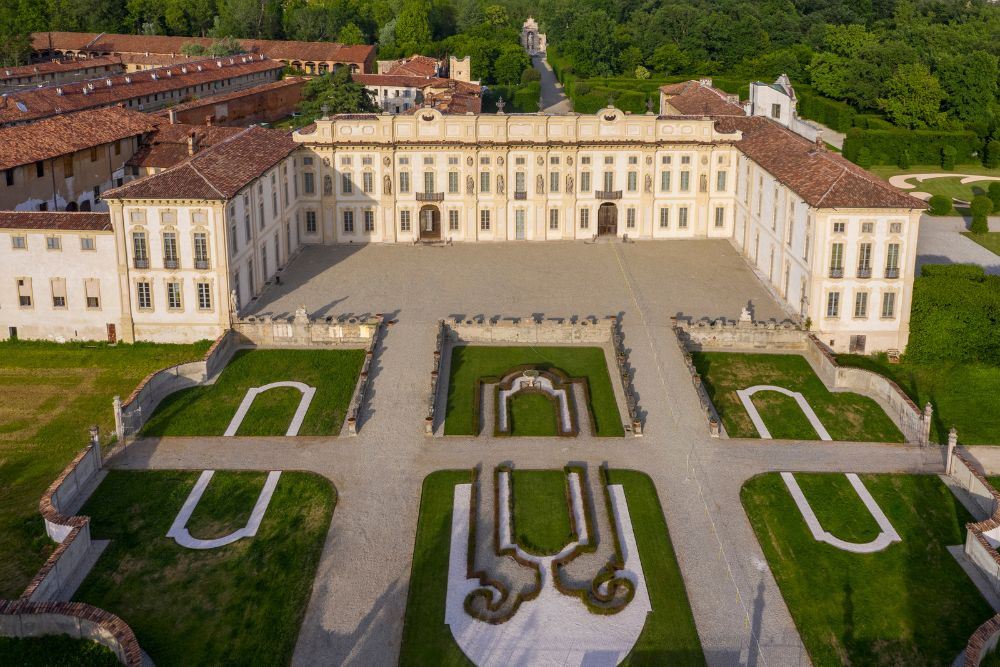
The Countryside Dream: Villas and Borgos
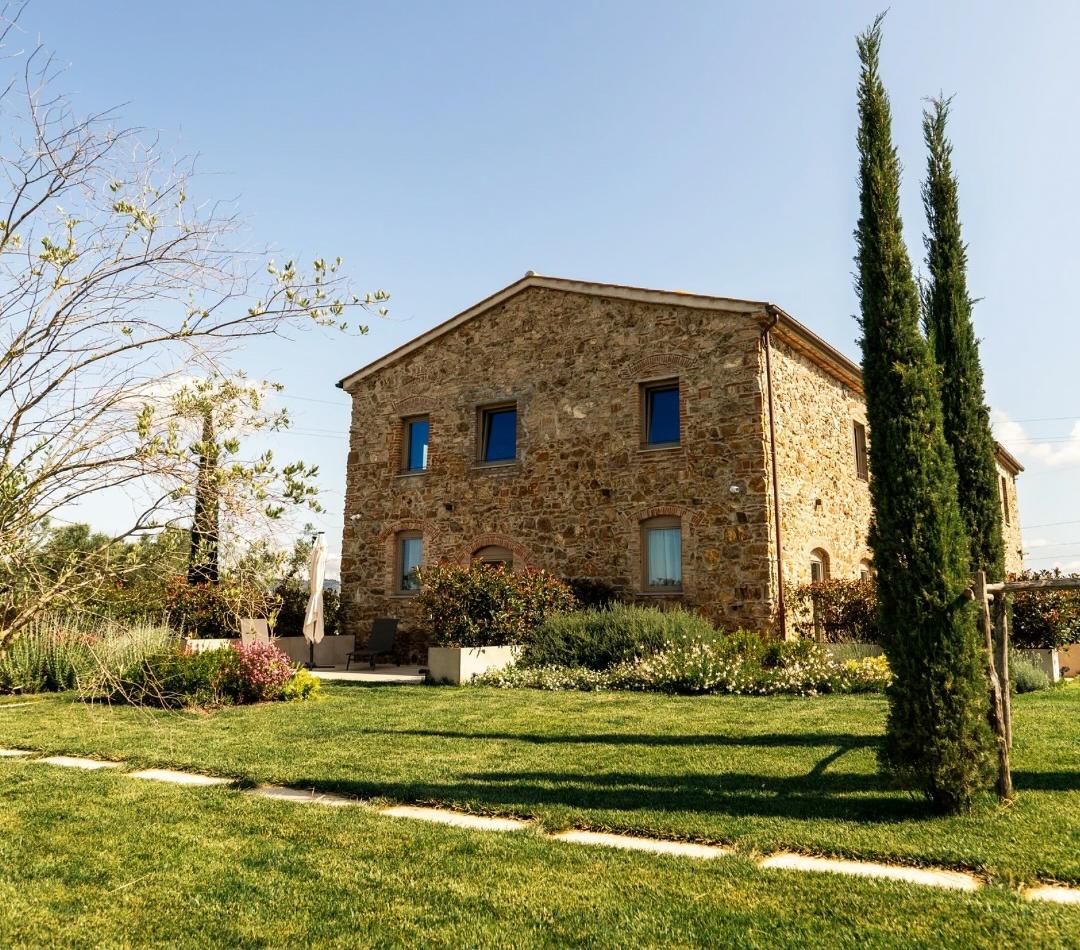
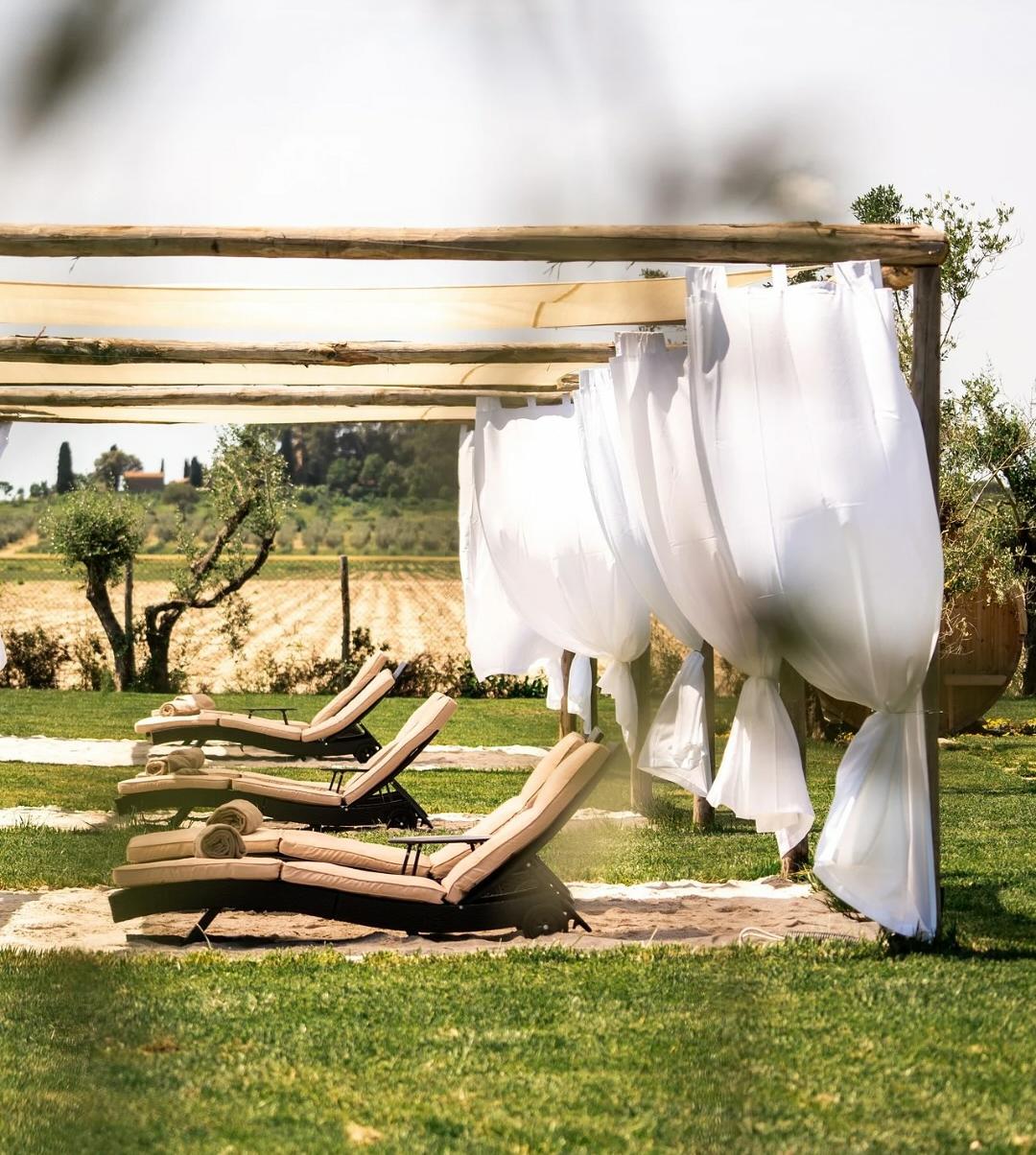
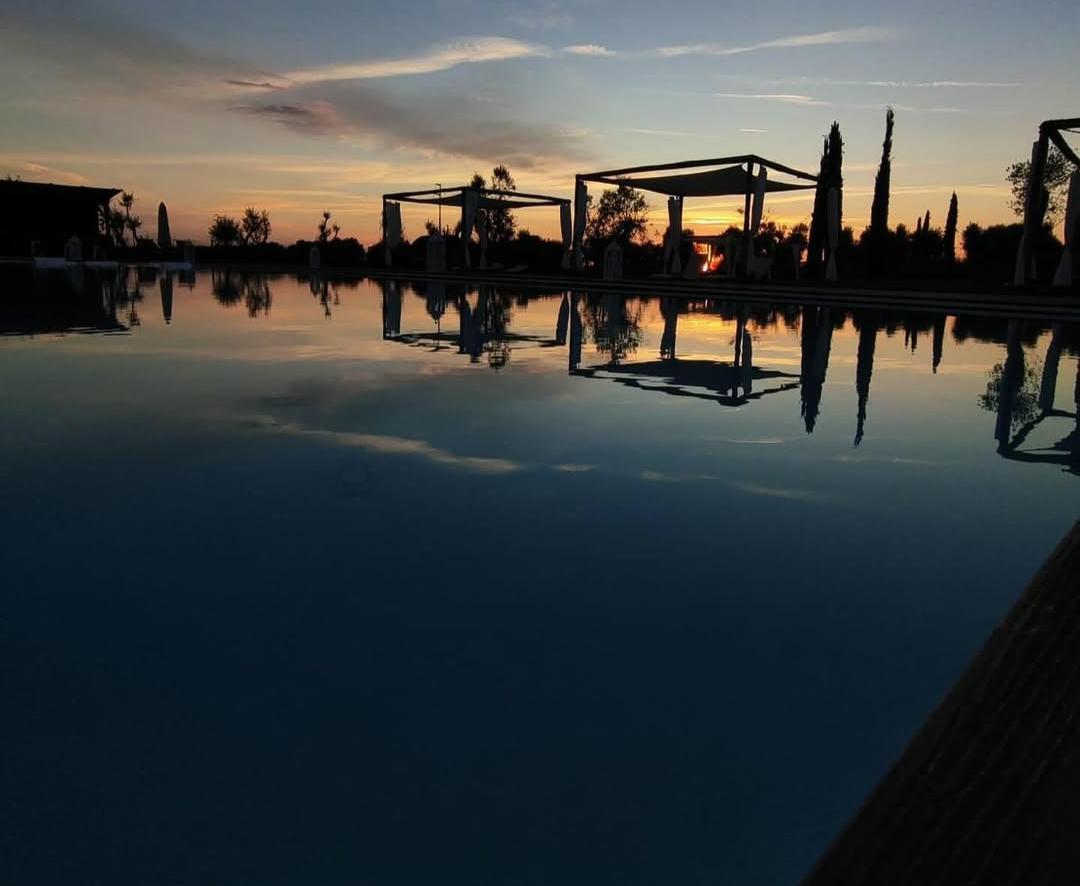
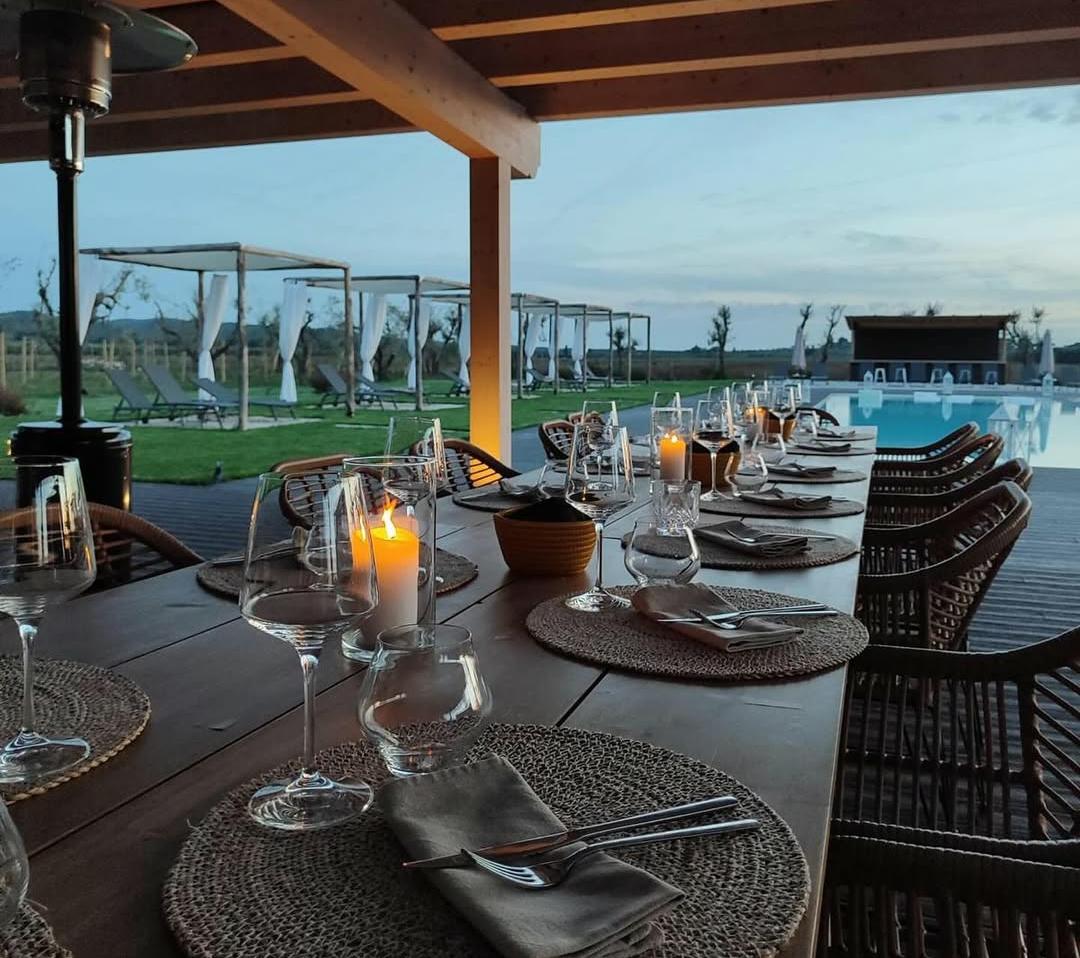
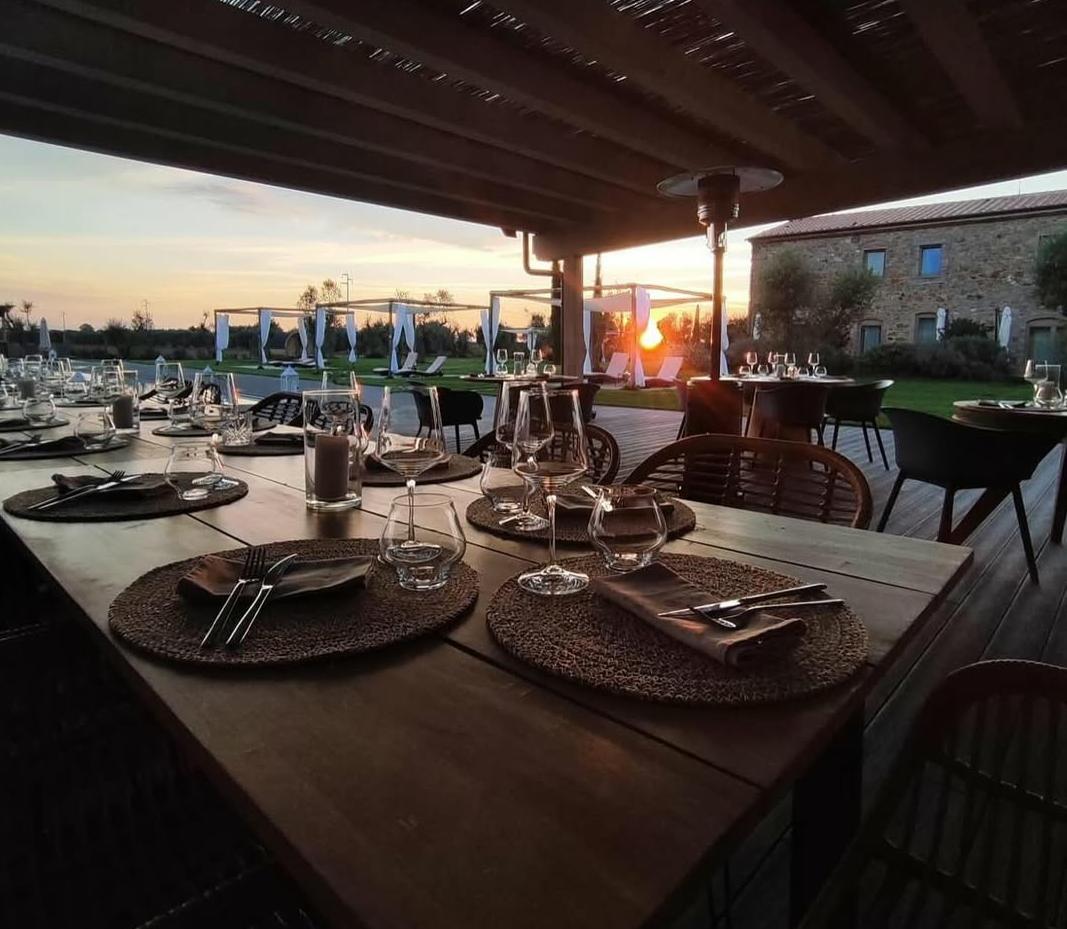
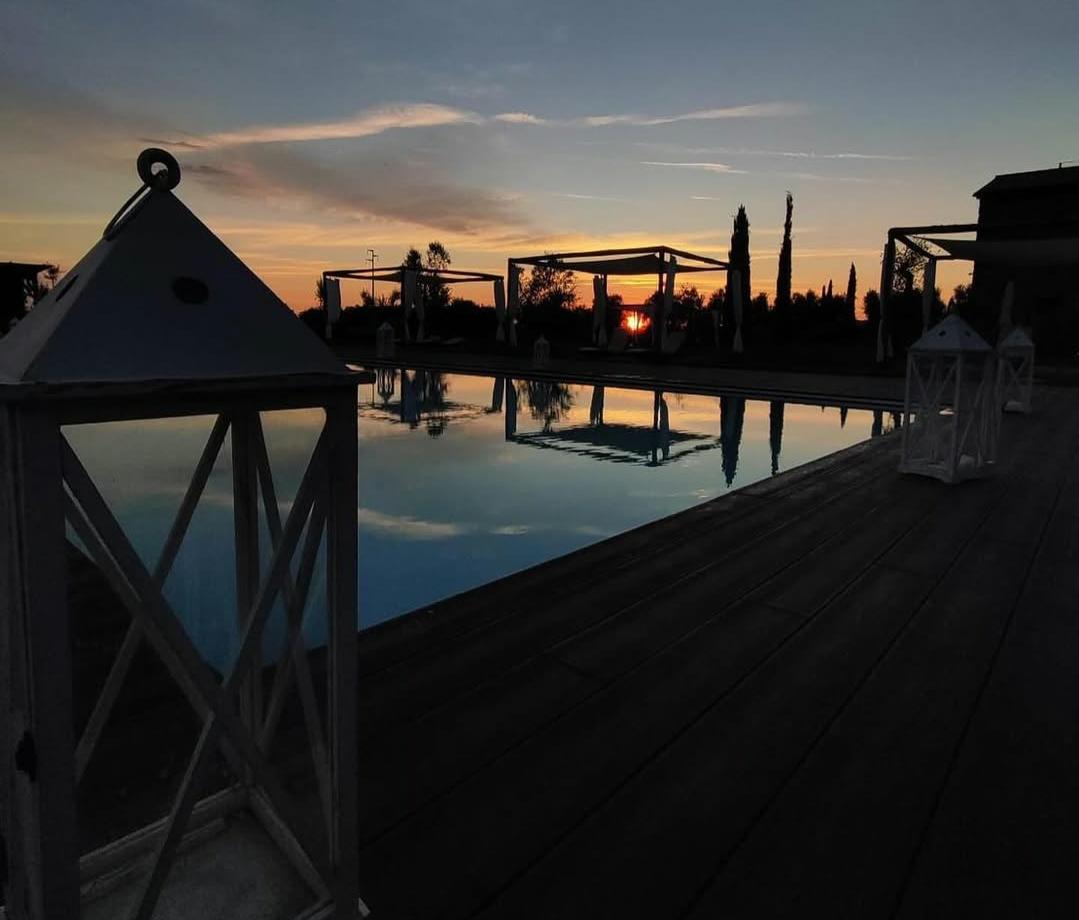
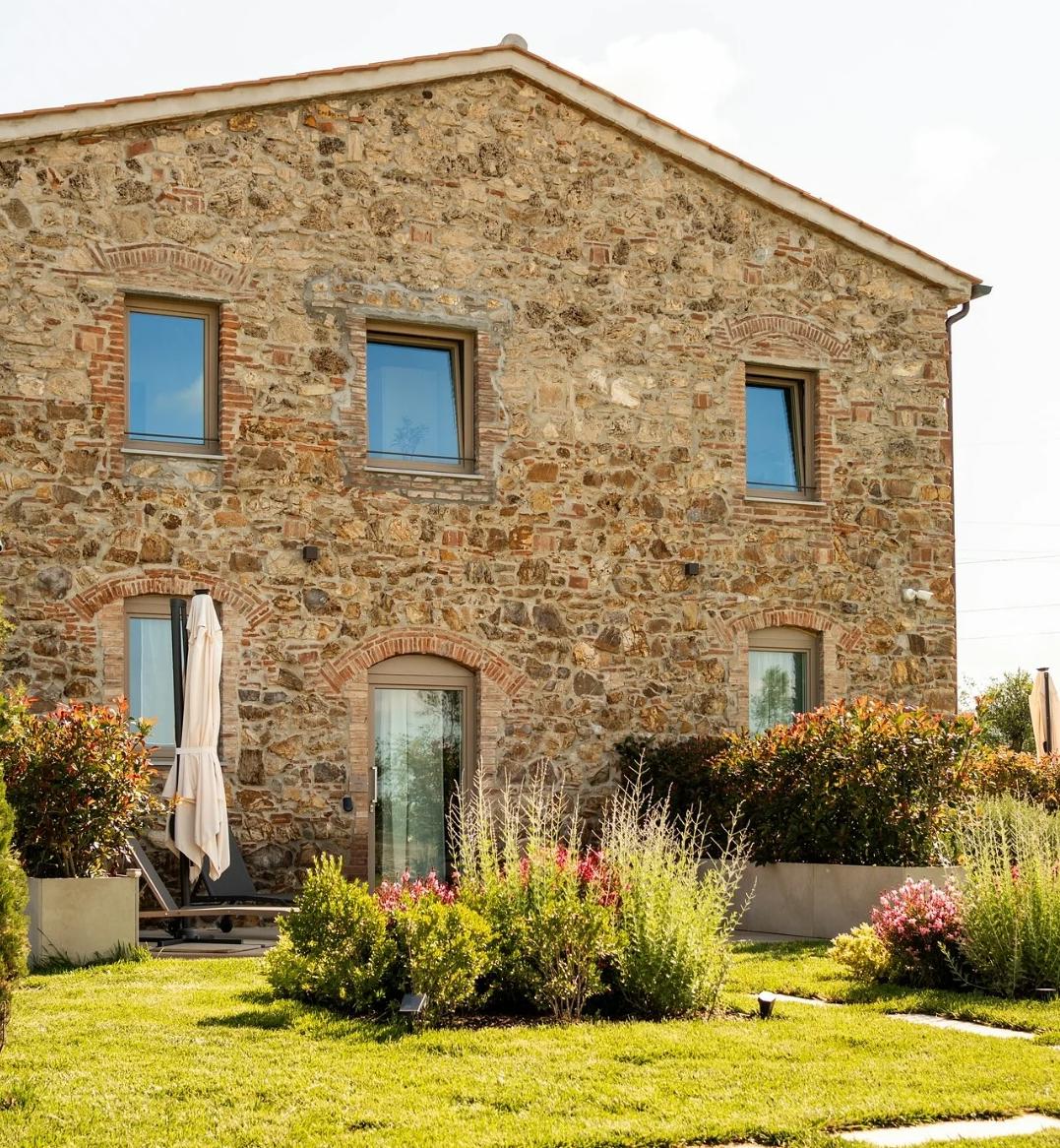
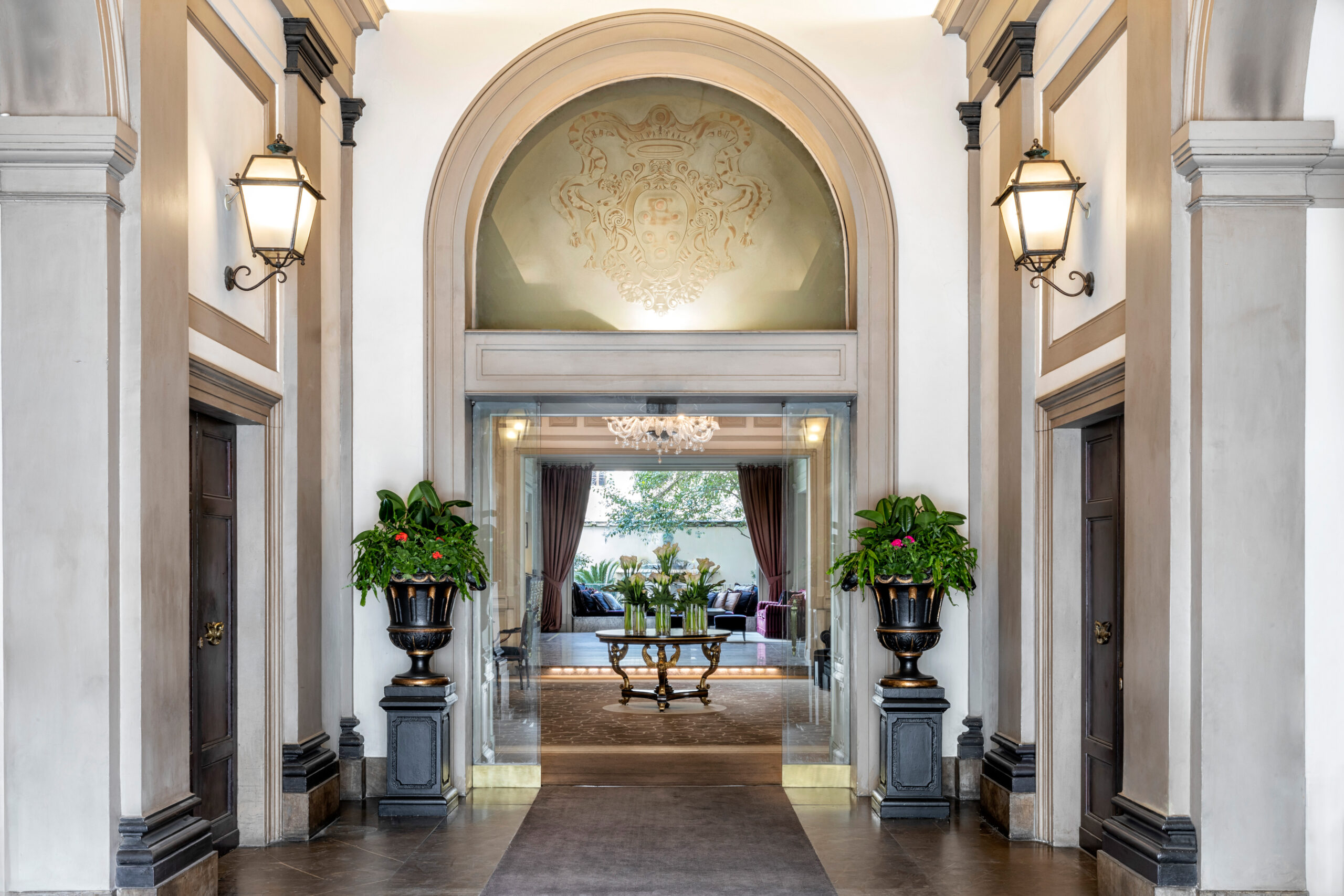
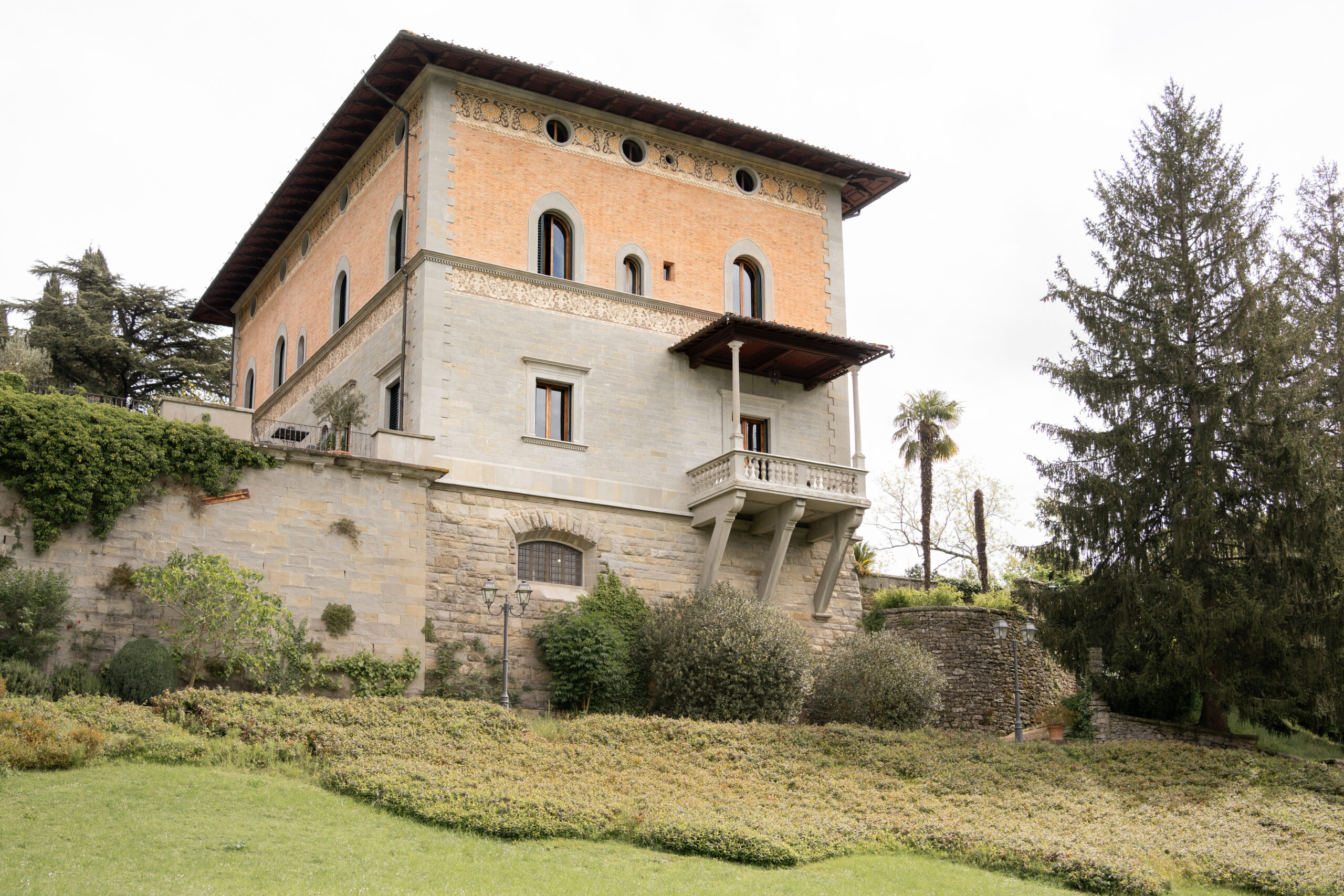
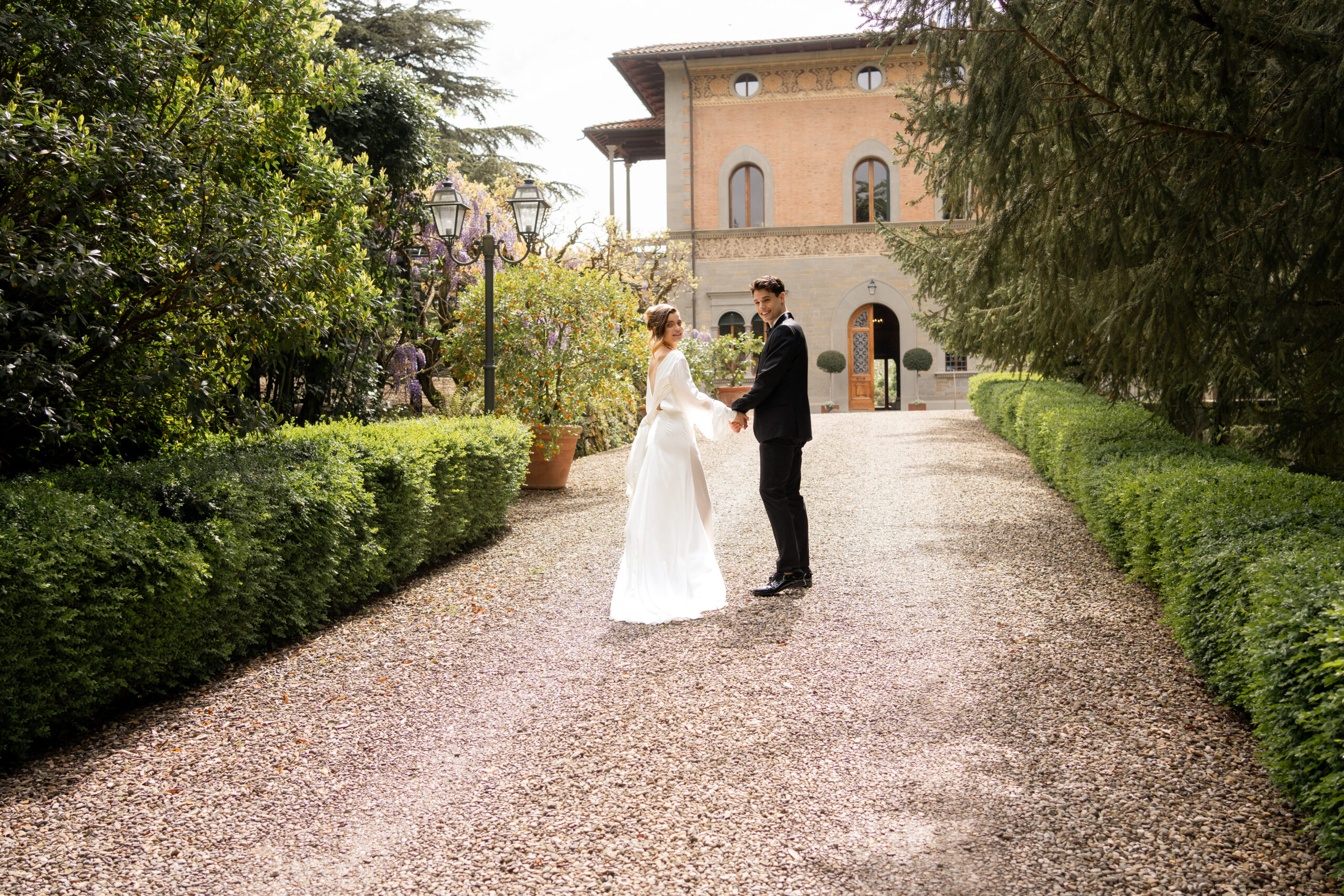
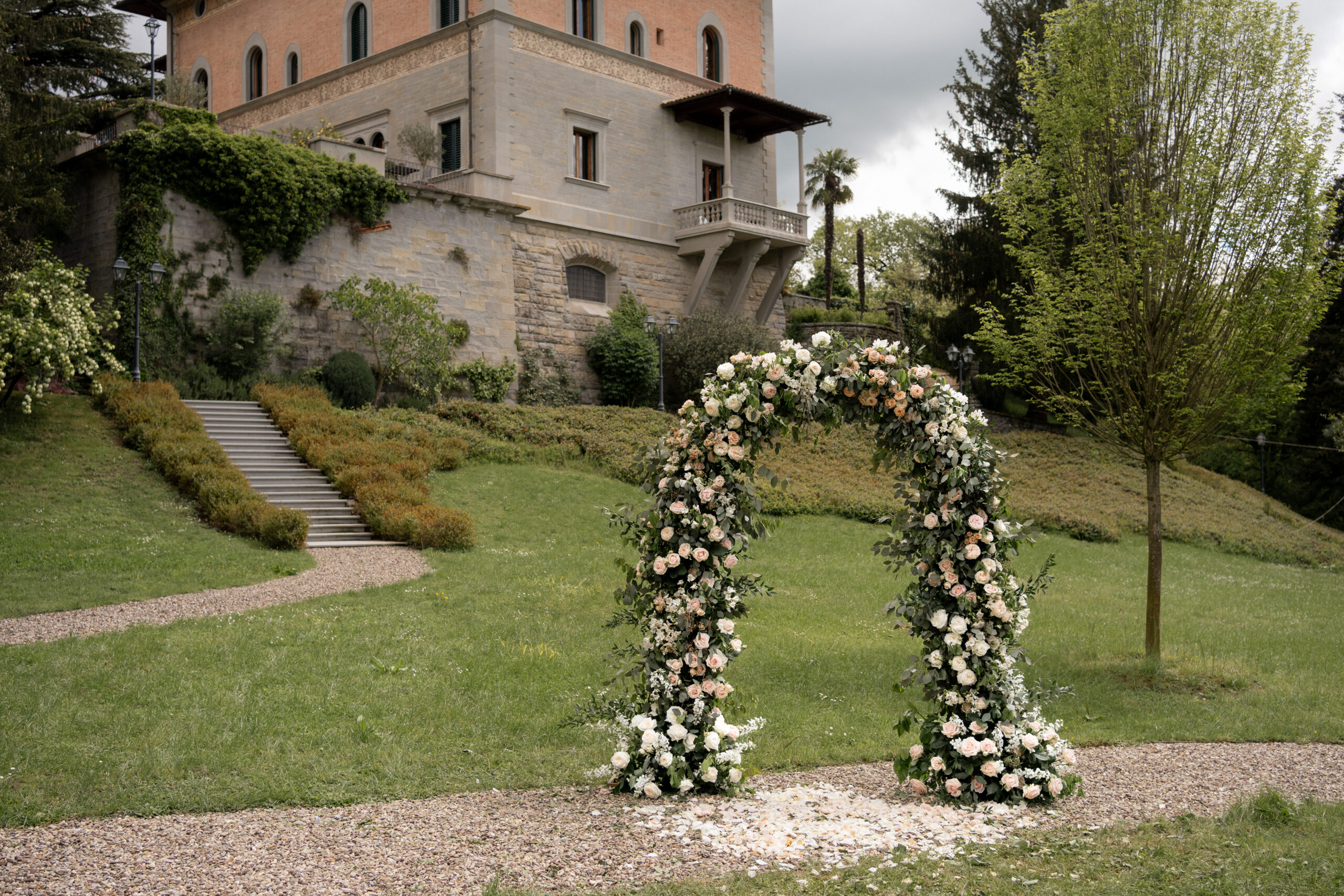
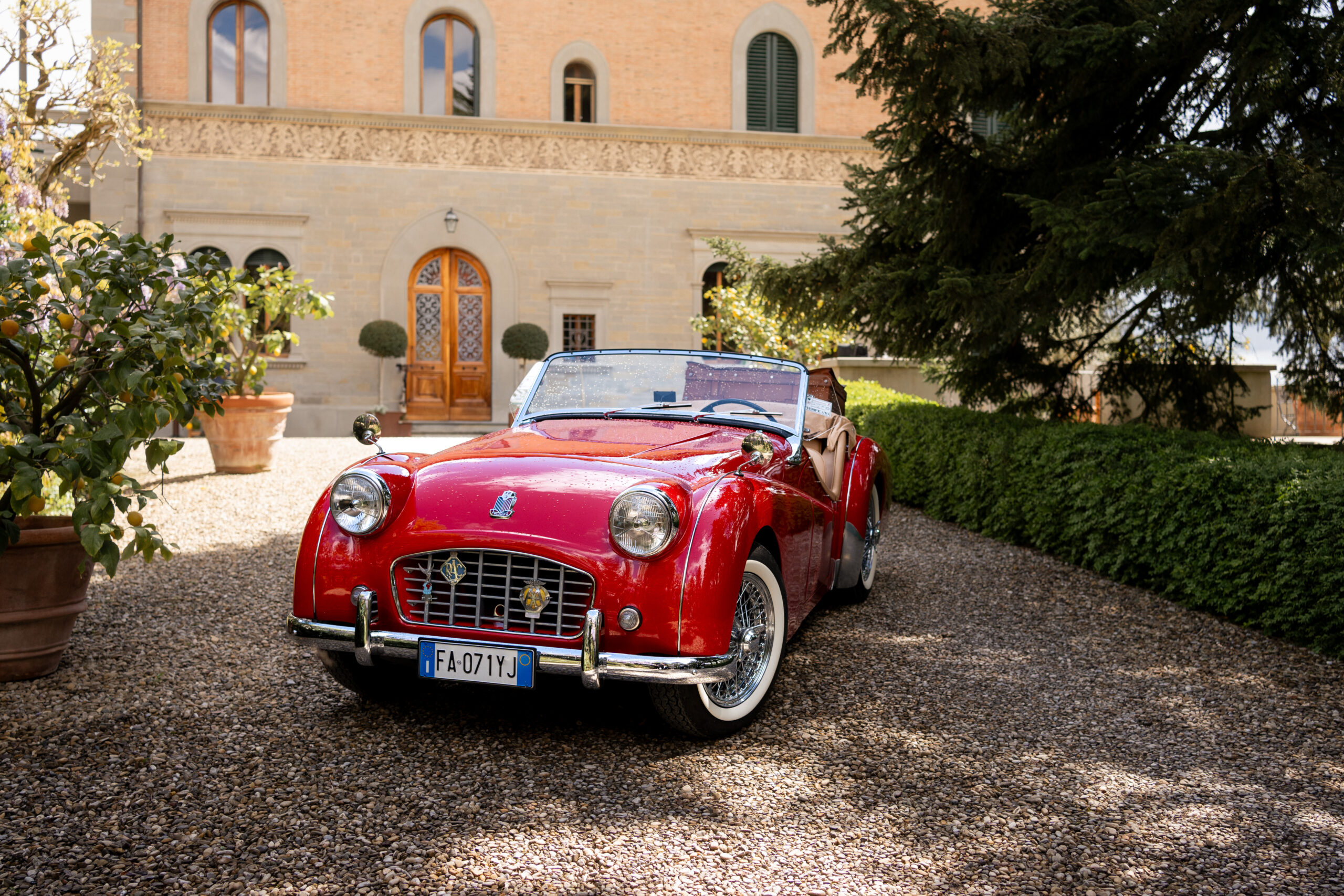
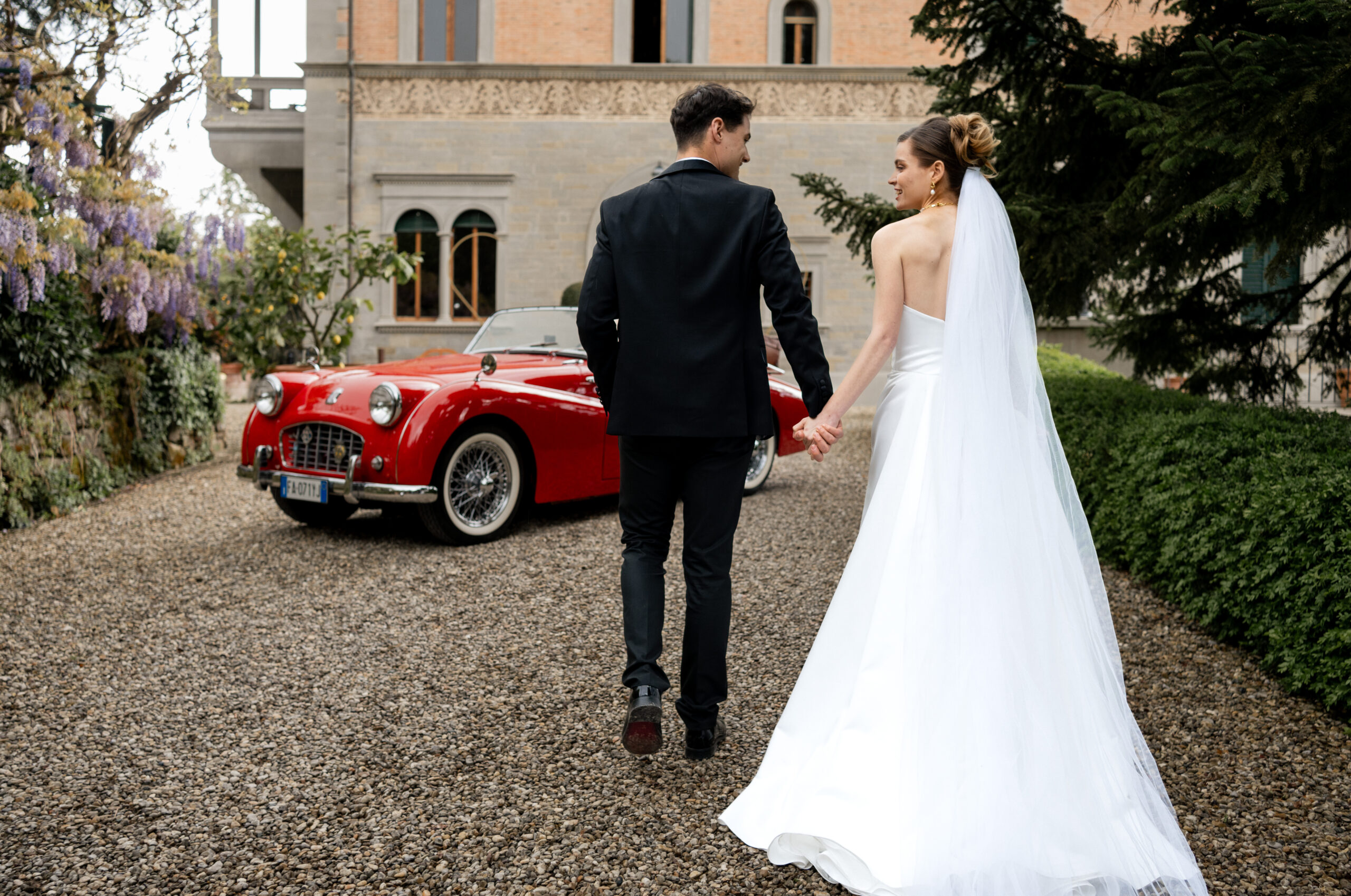
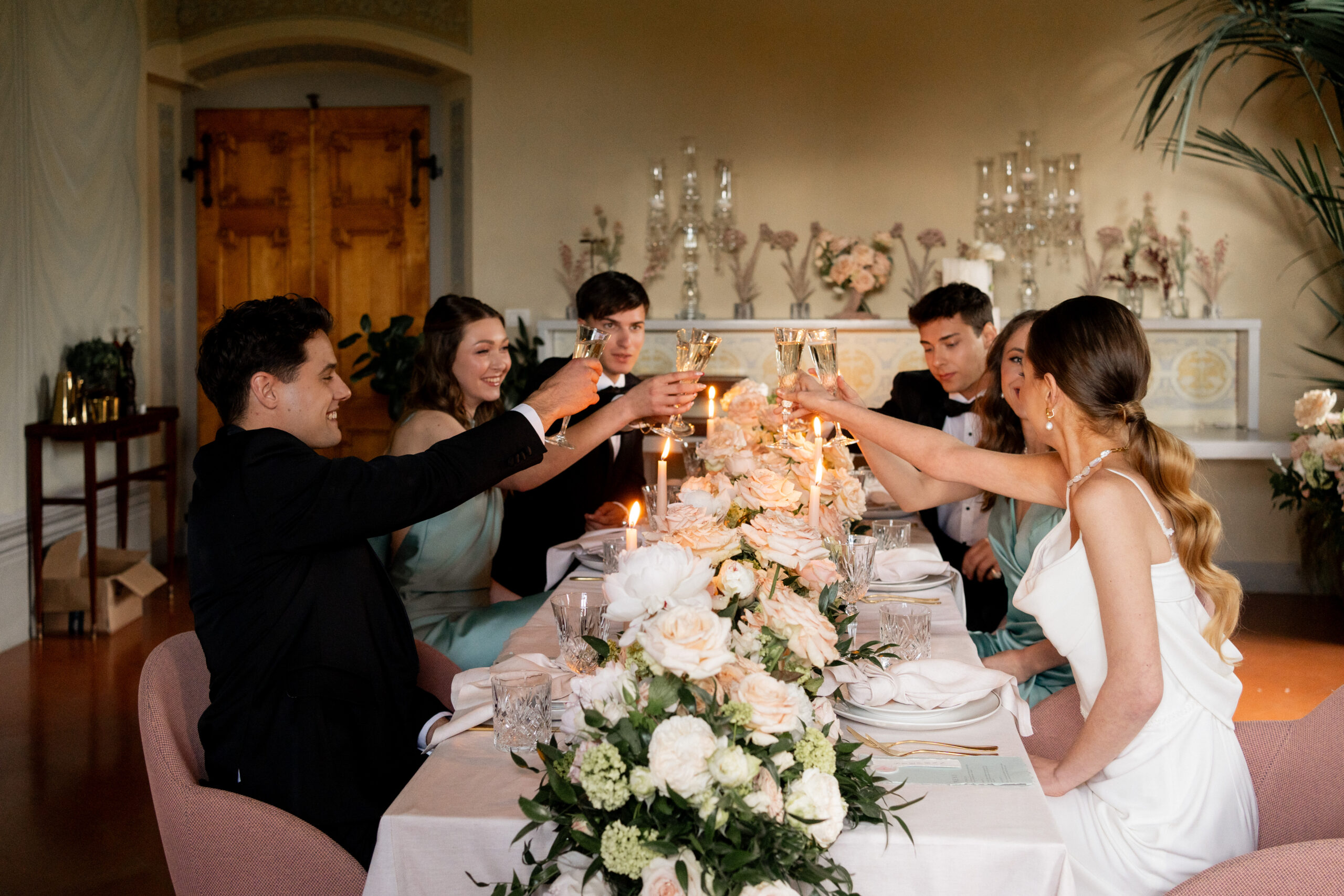
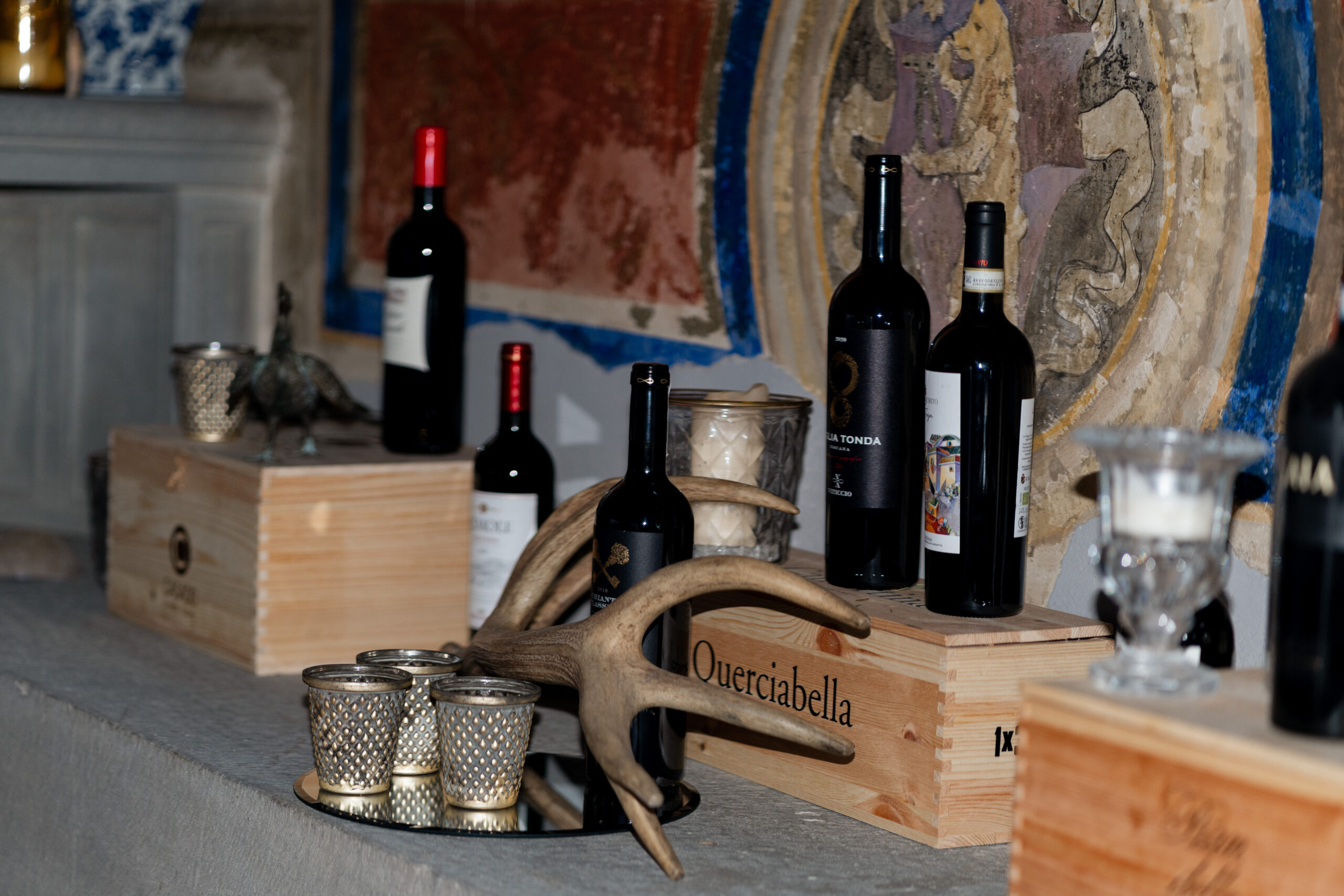
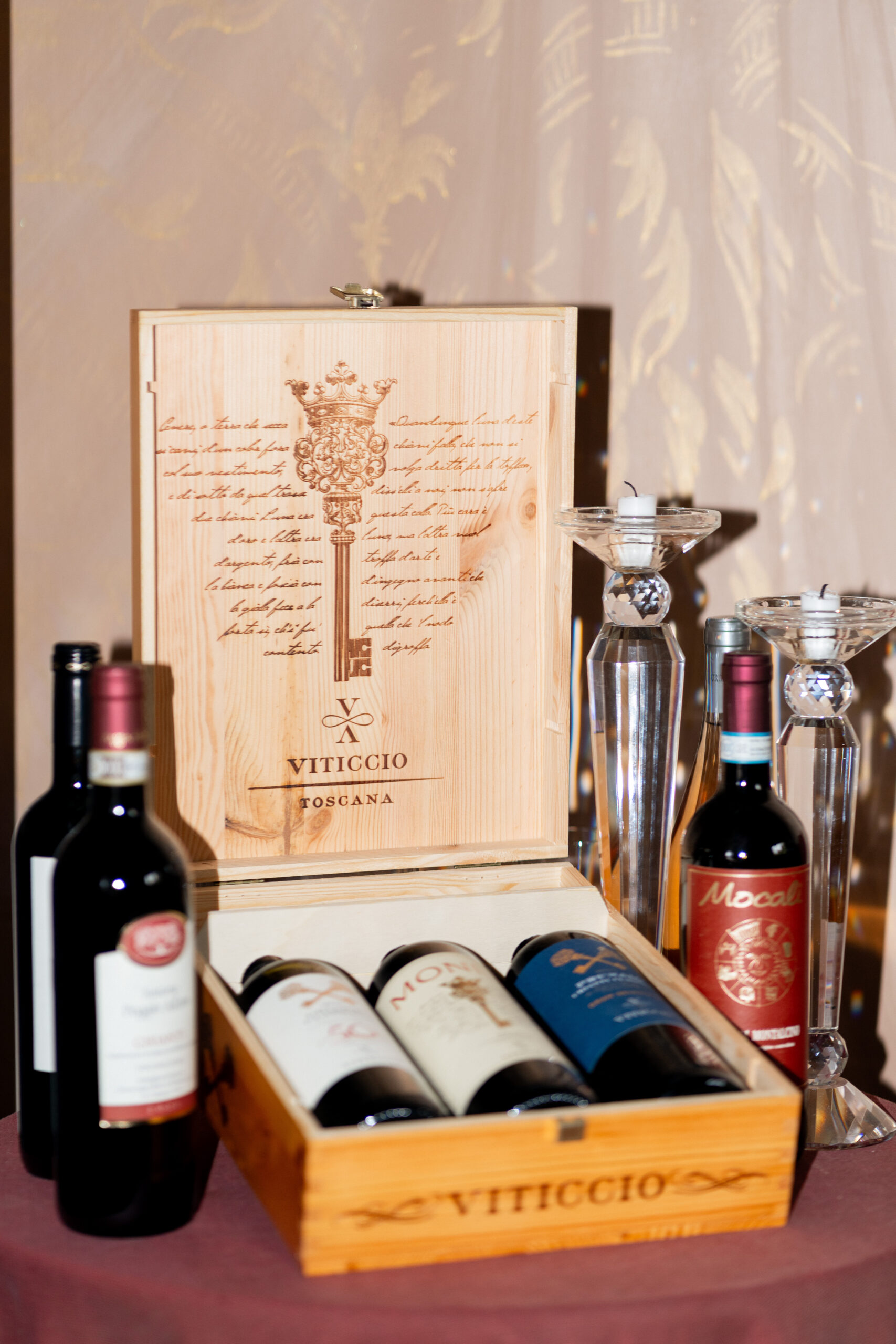
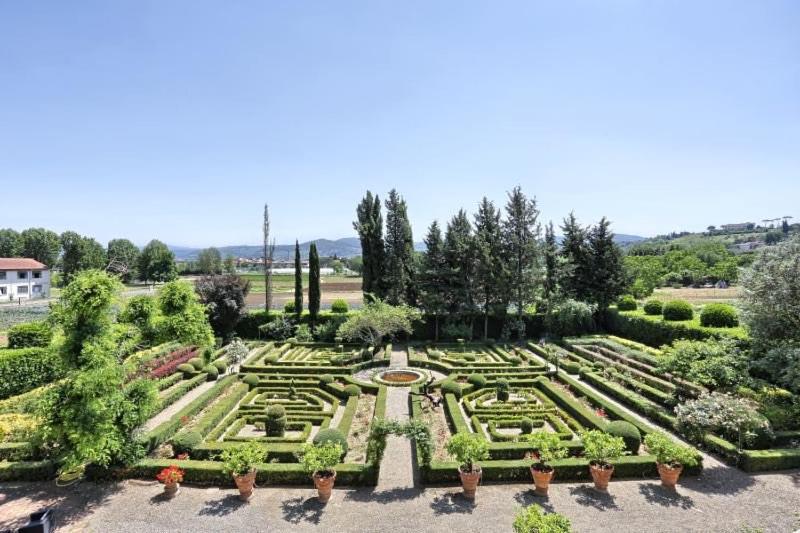
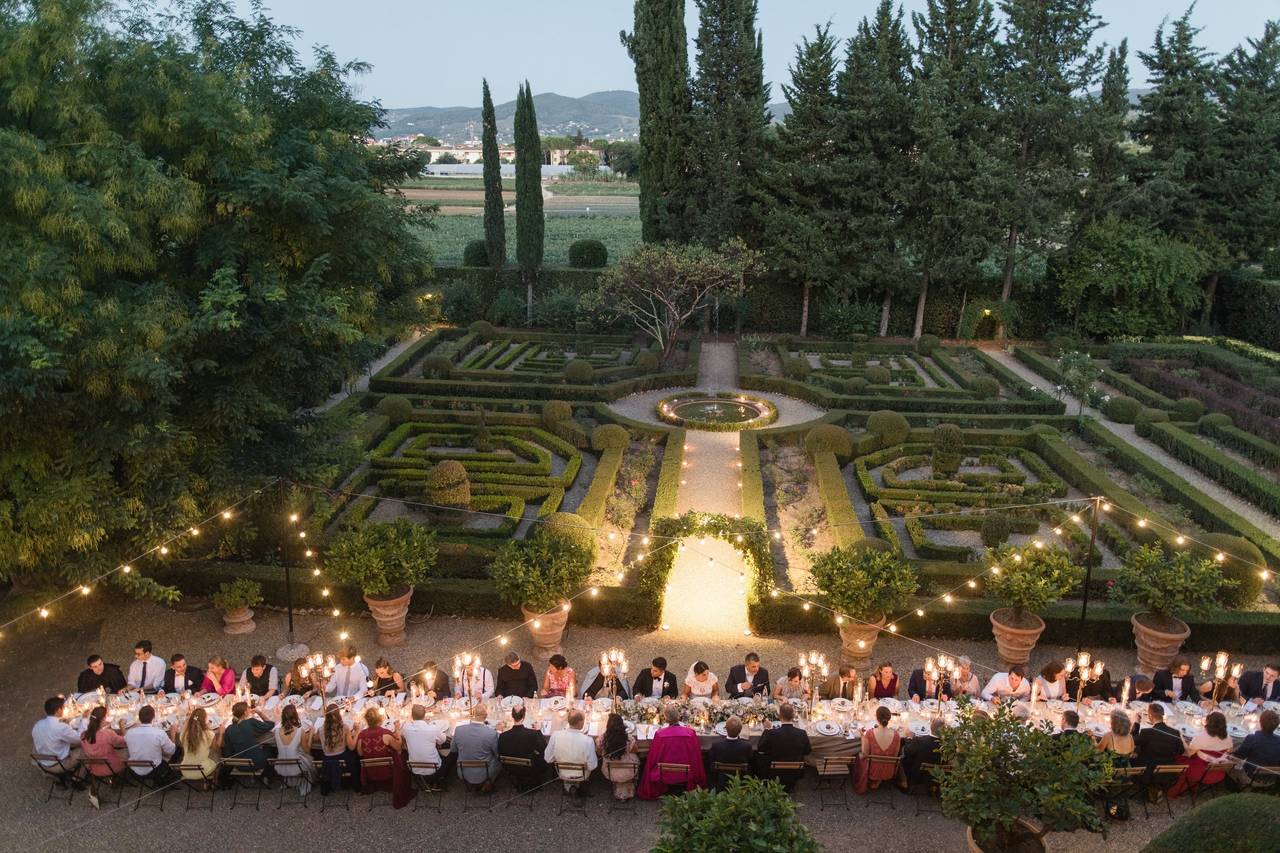
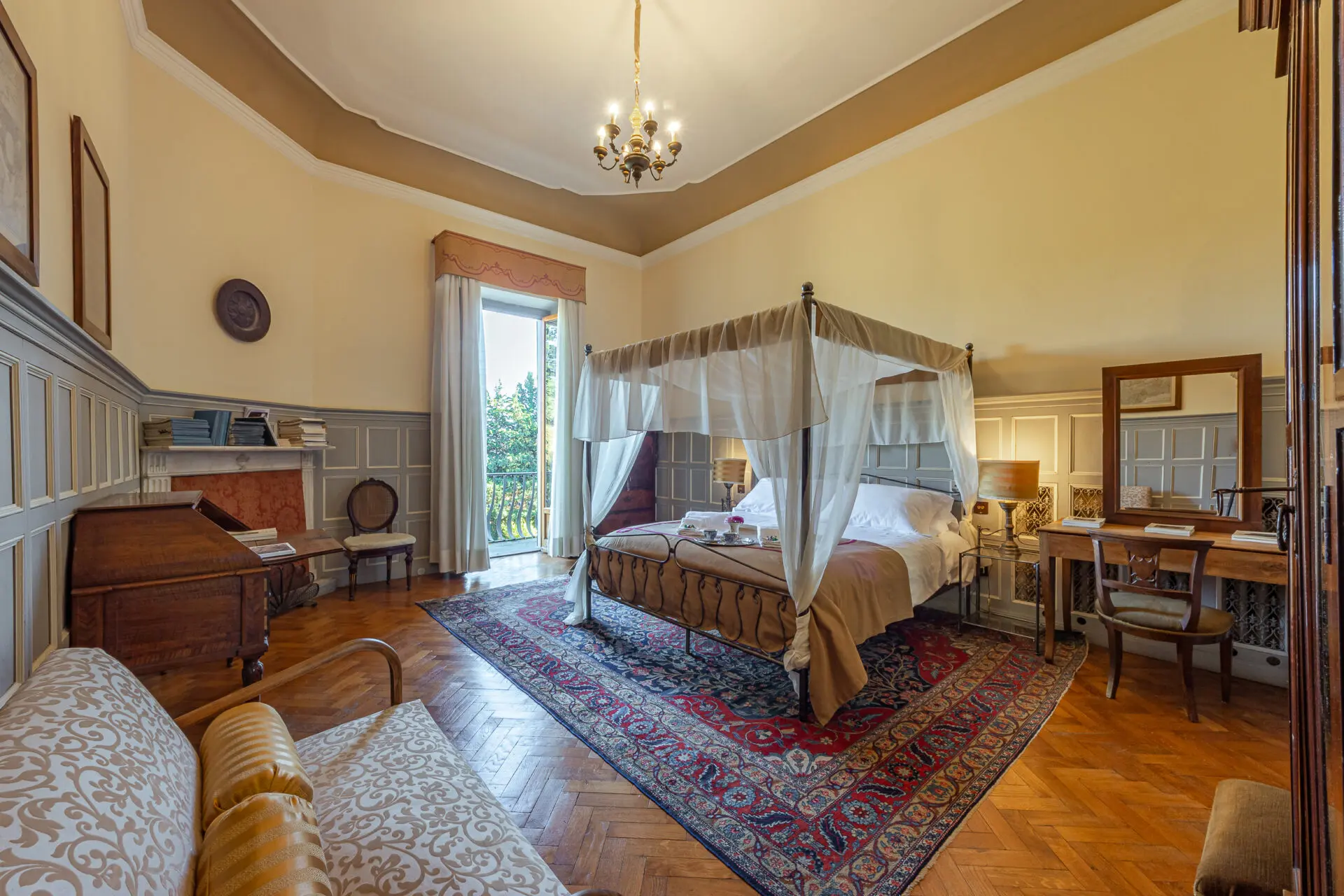
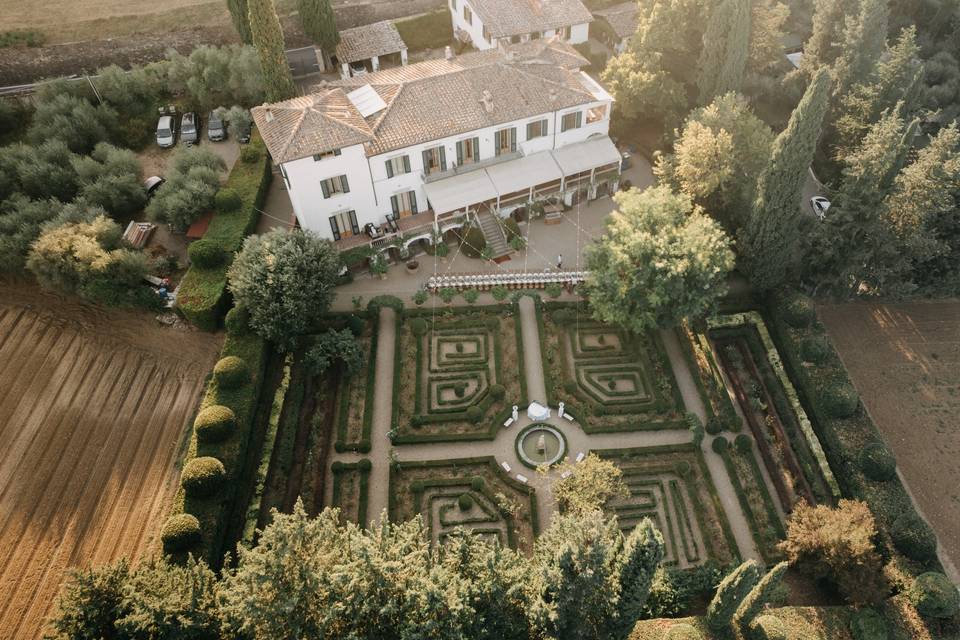
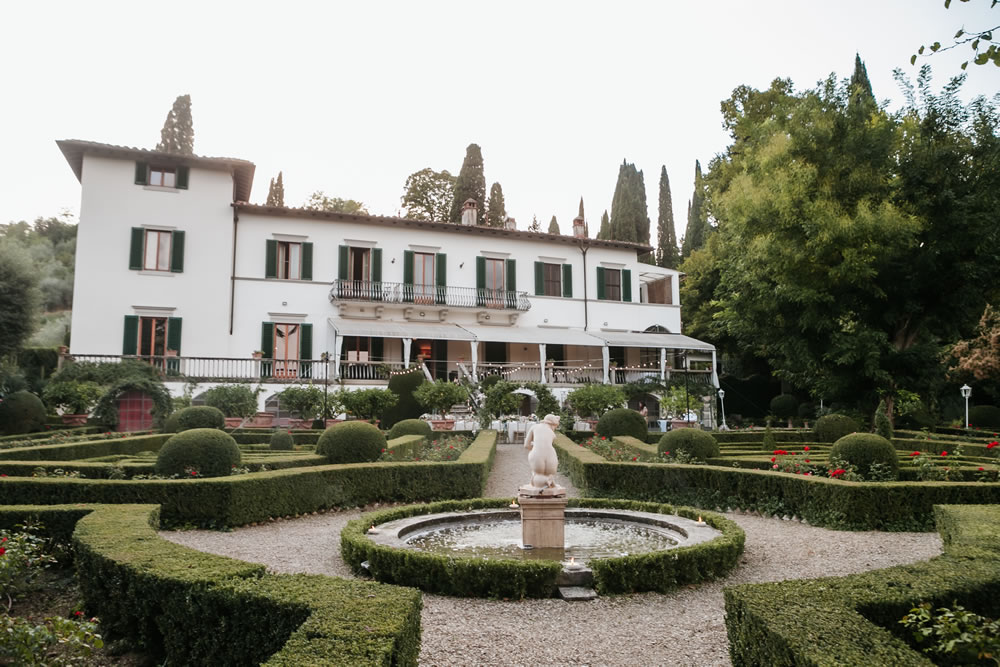
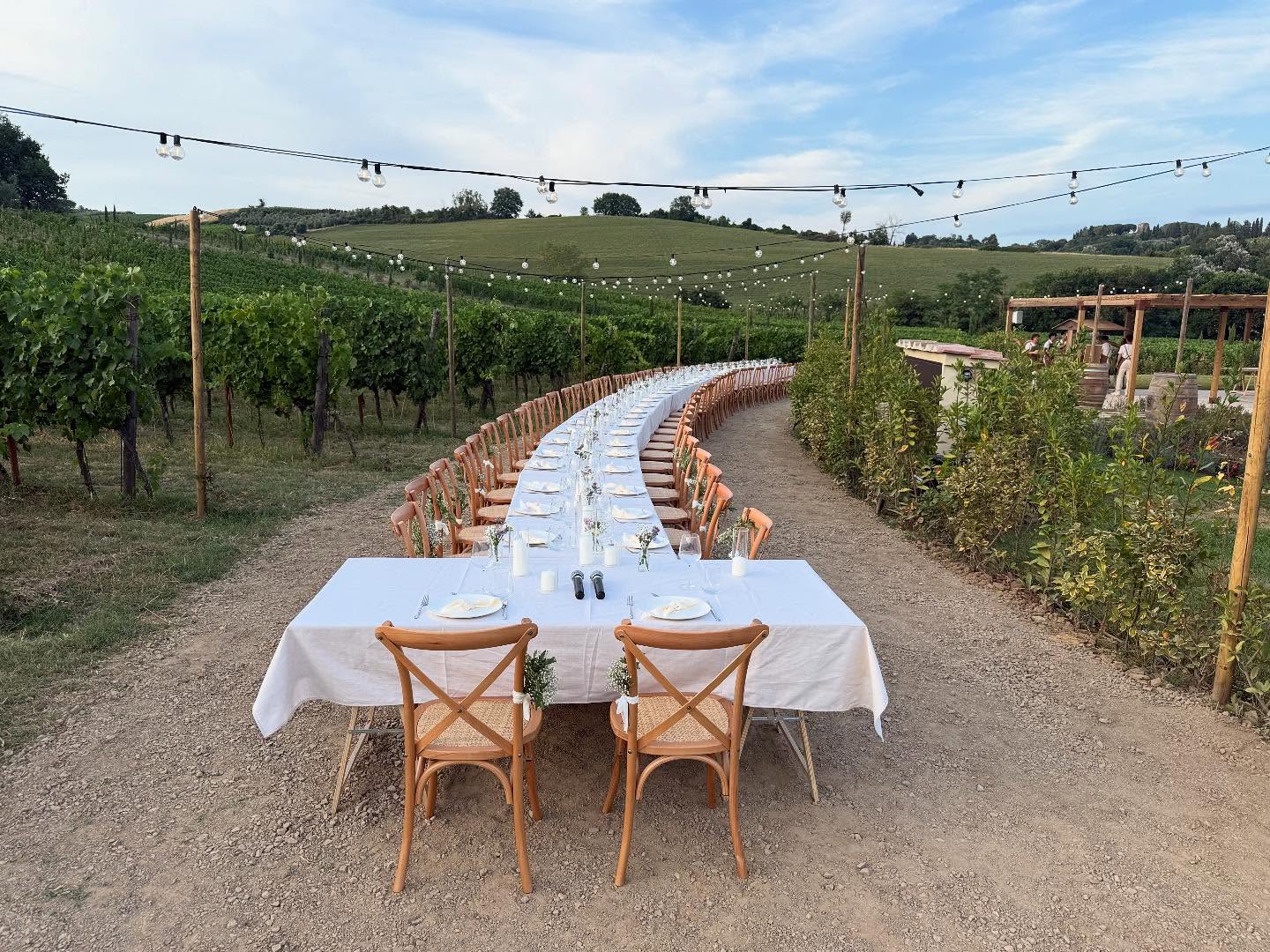
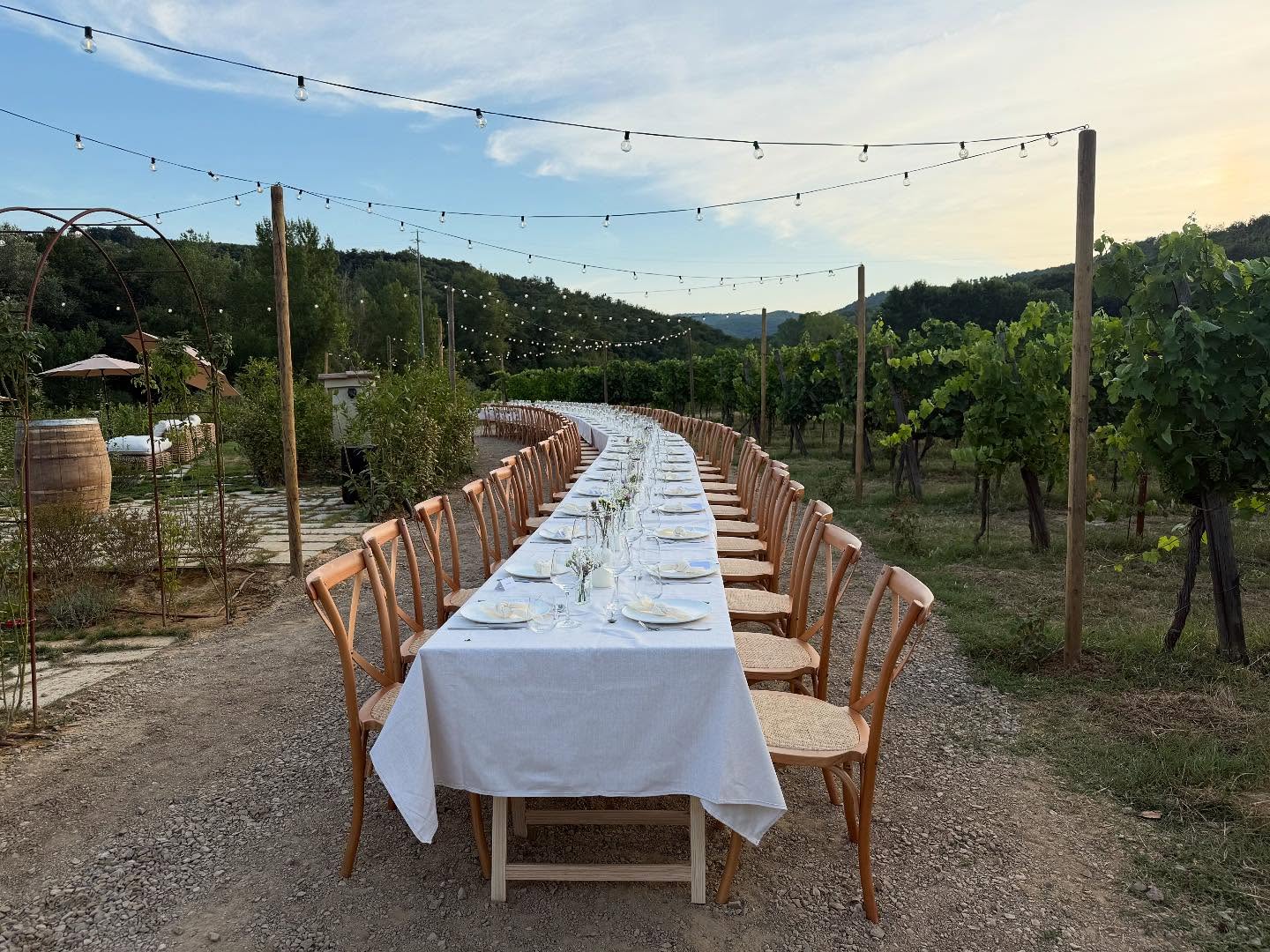
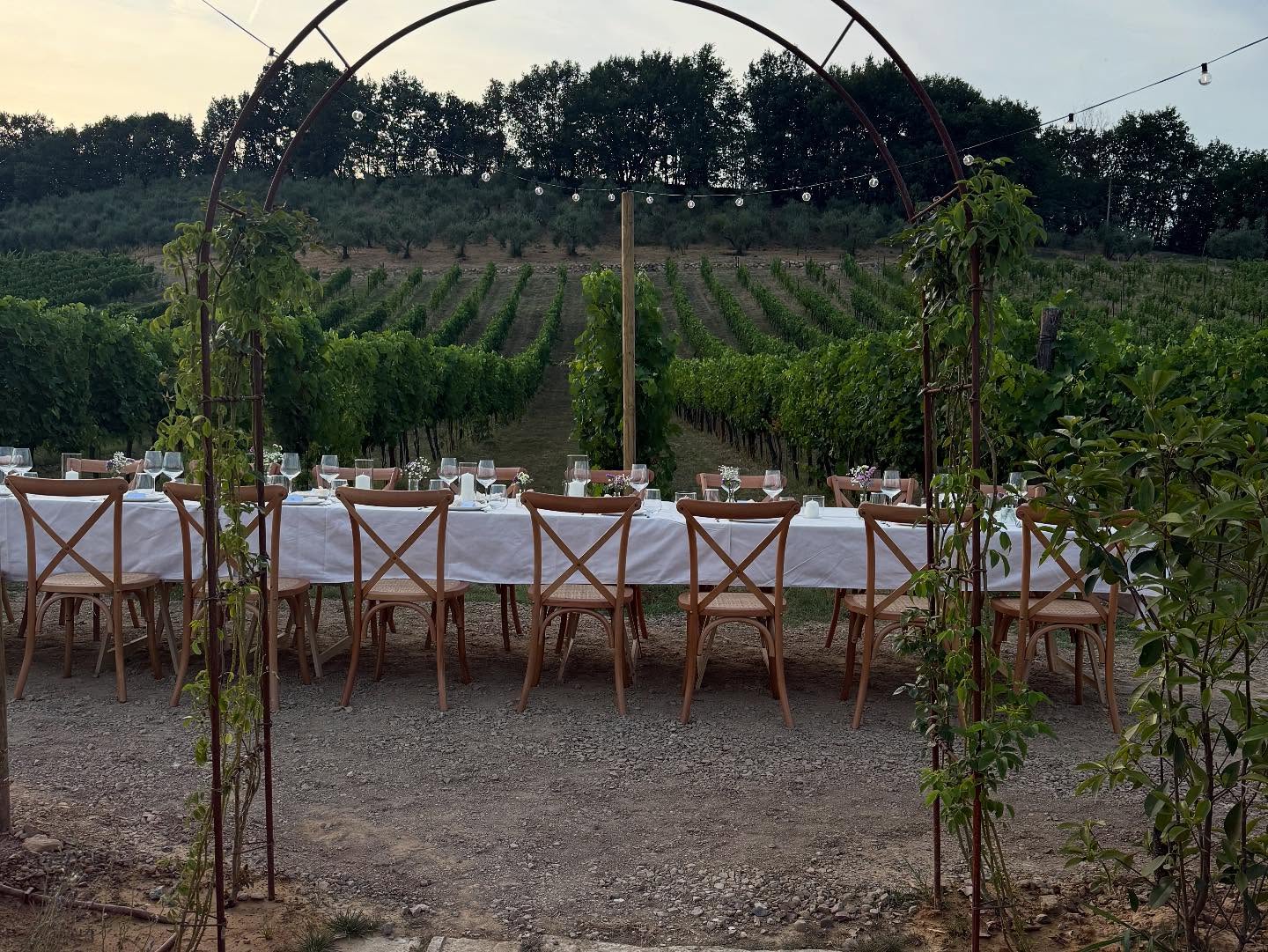
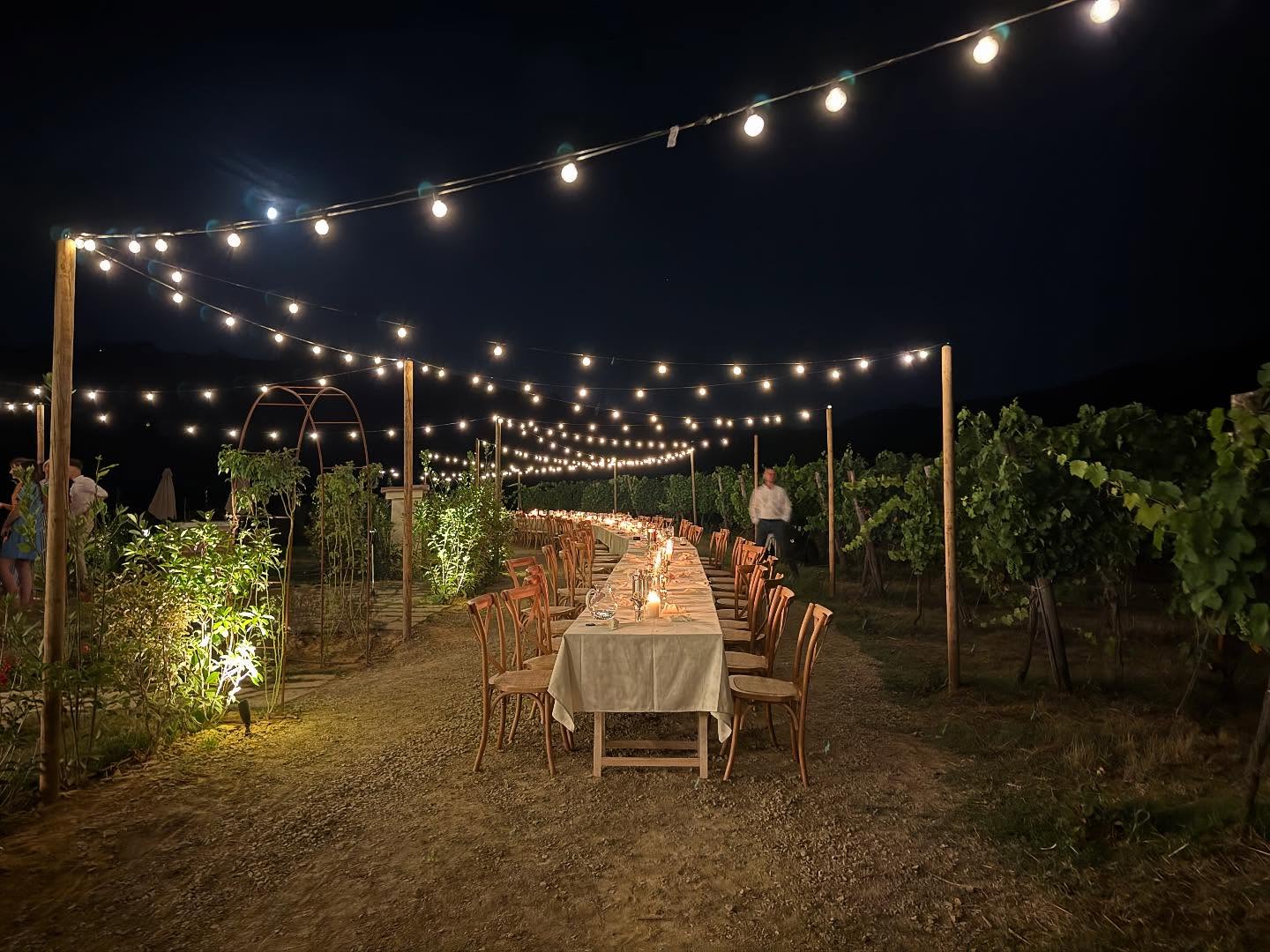
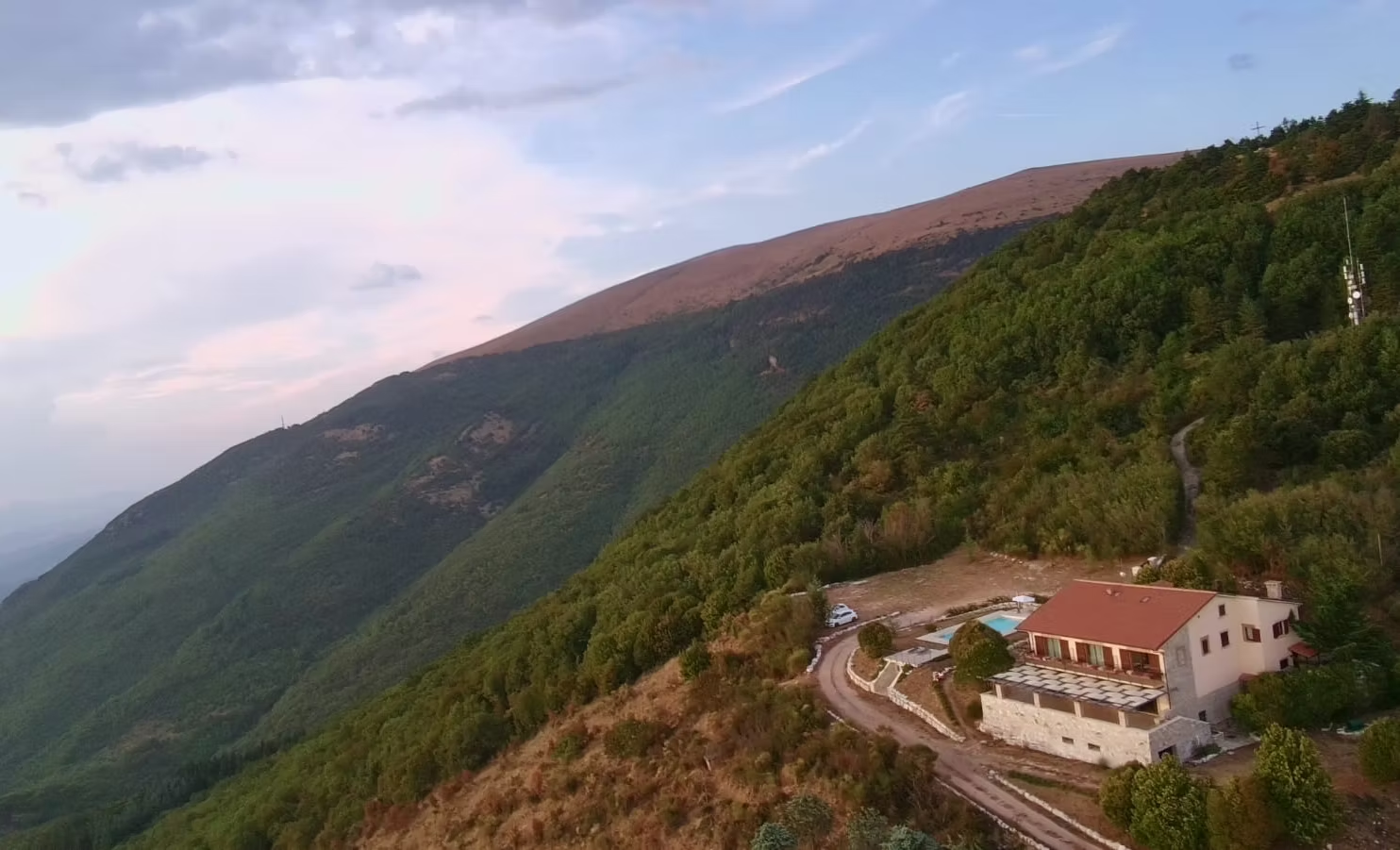
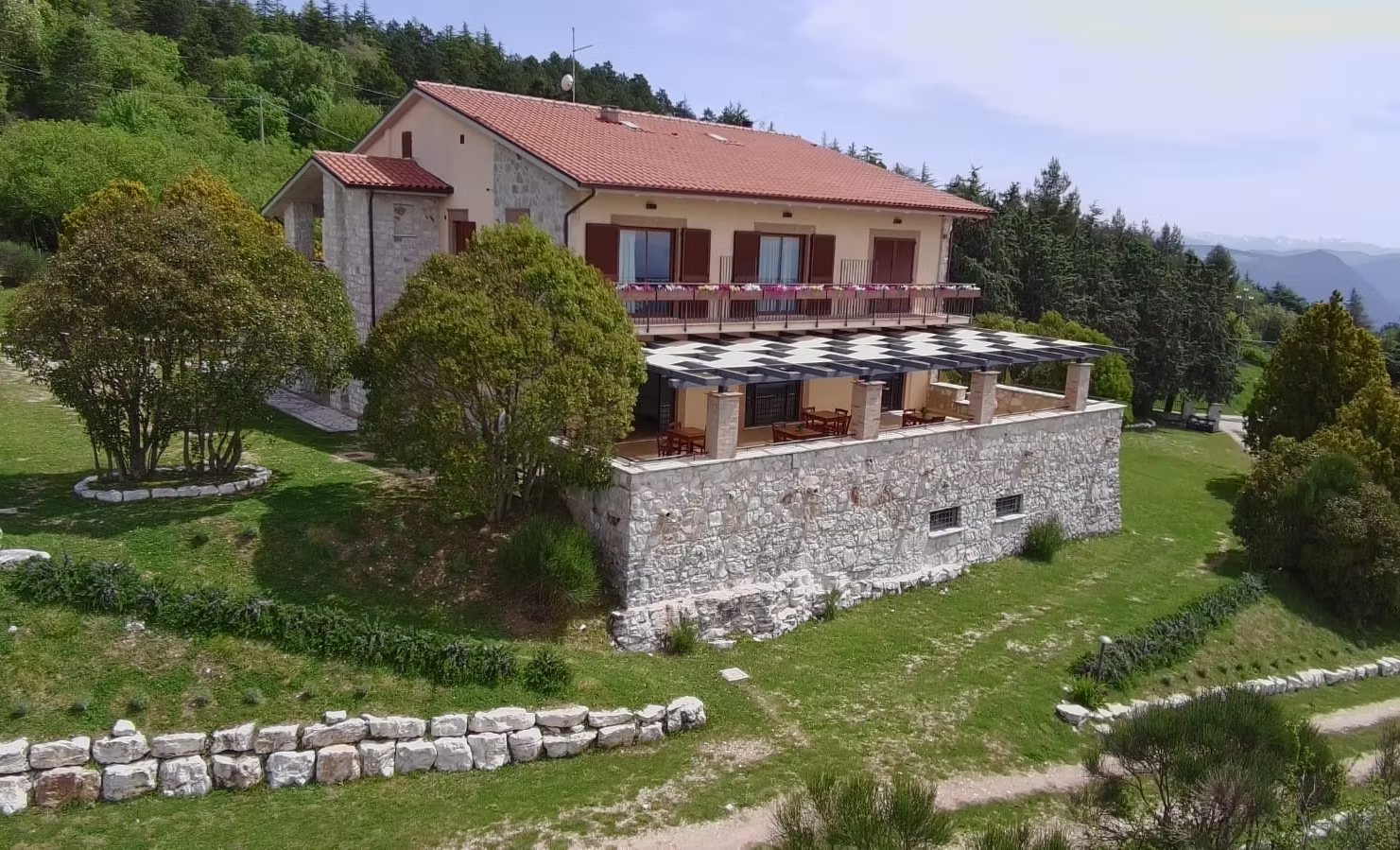
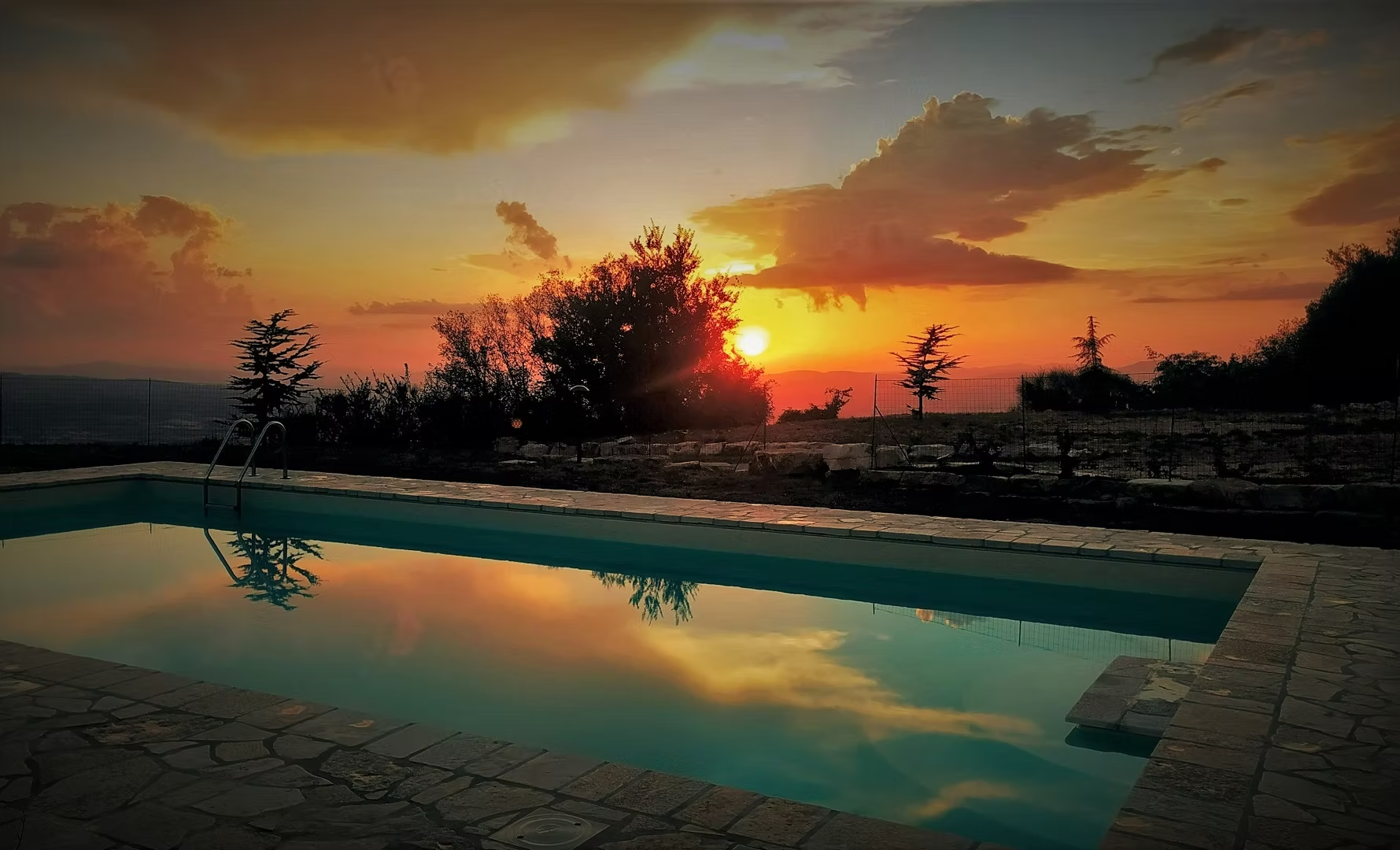
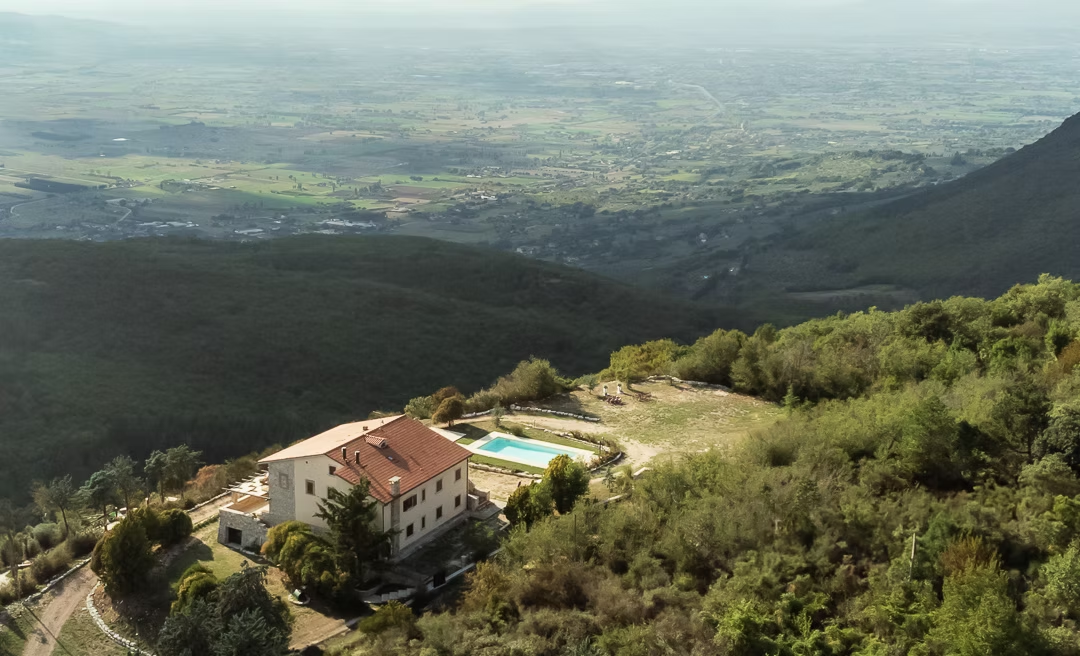
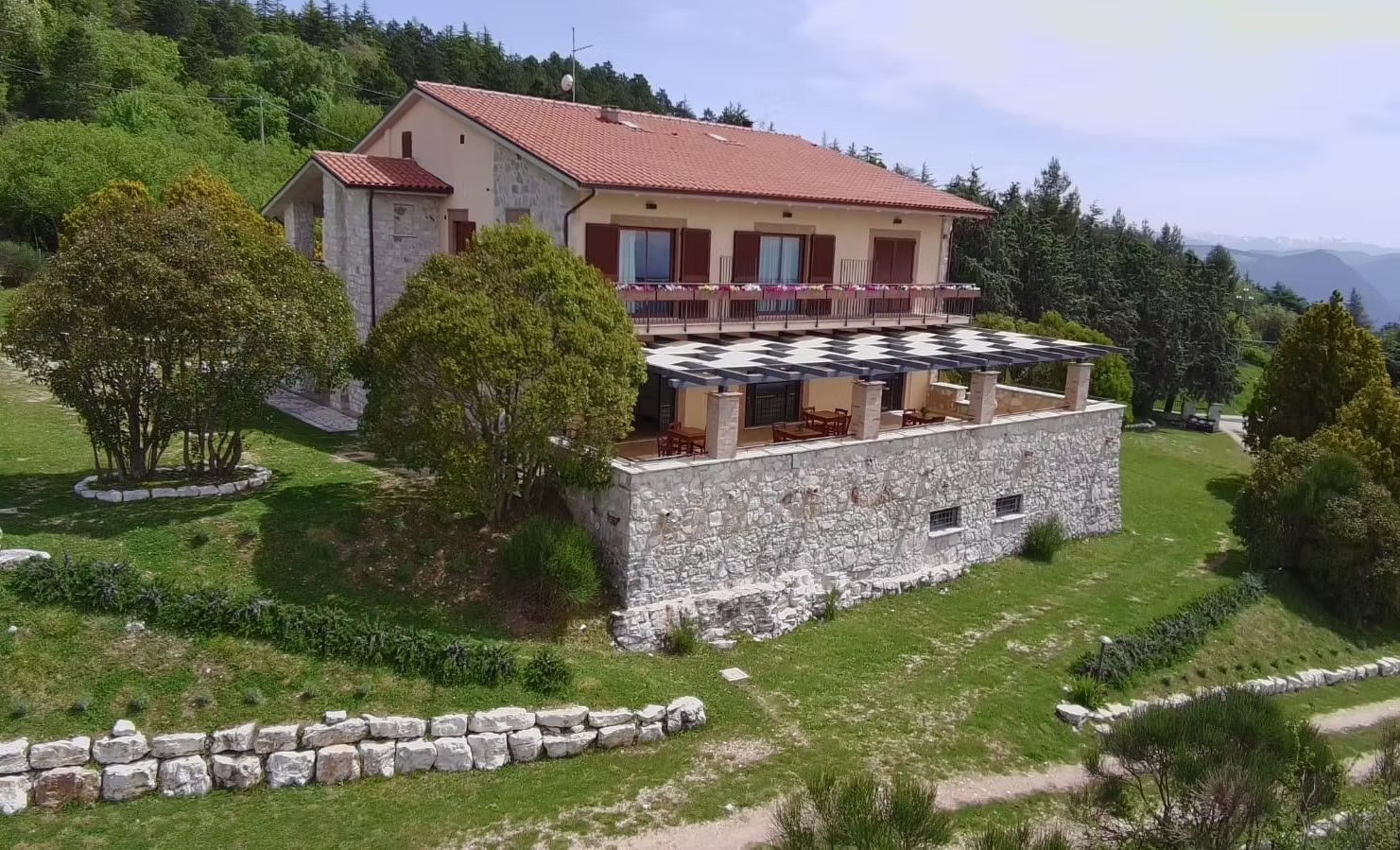
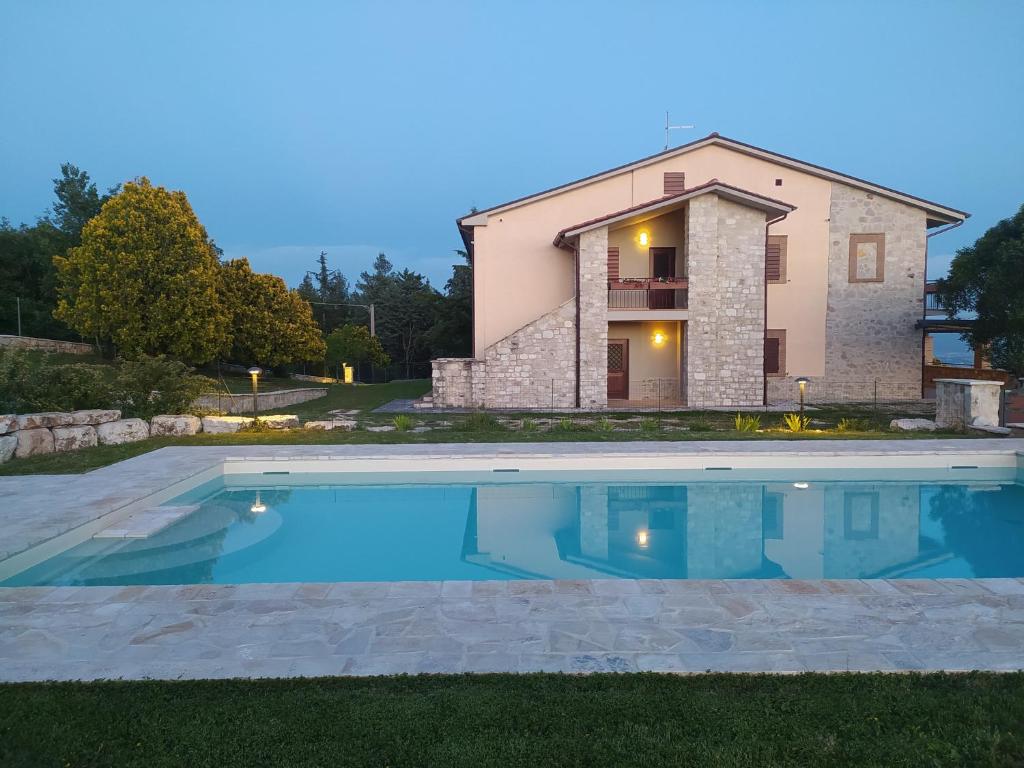
If keeping your loved ones together for an immersive experience is your top priority, the Italian countryside—especially in central Italy—is your perfect match. These properties usually offer exclusive use, meaning the entire estate becomes your private home away from home, completely closed off to the public.
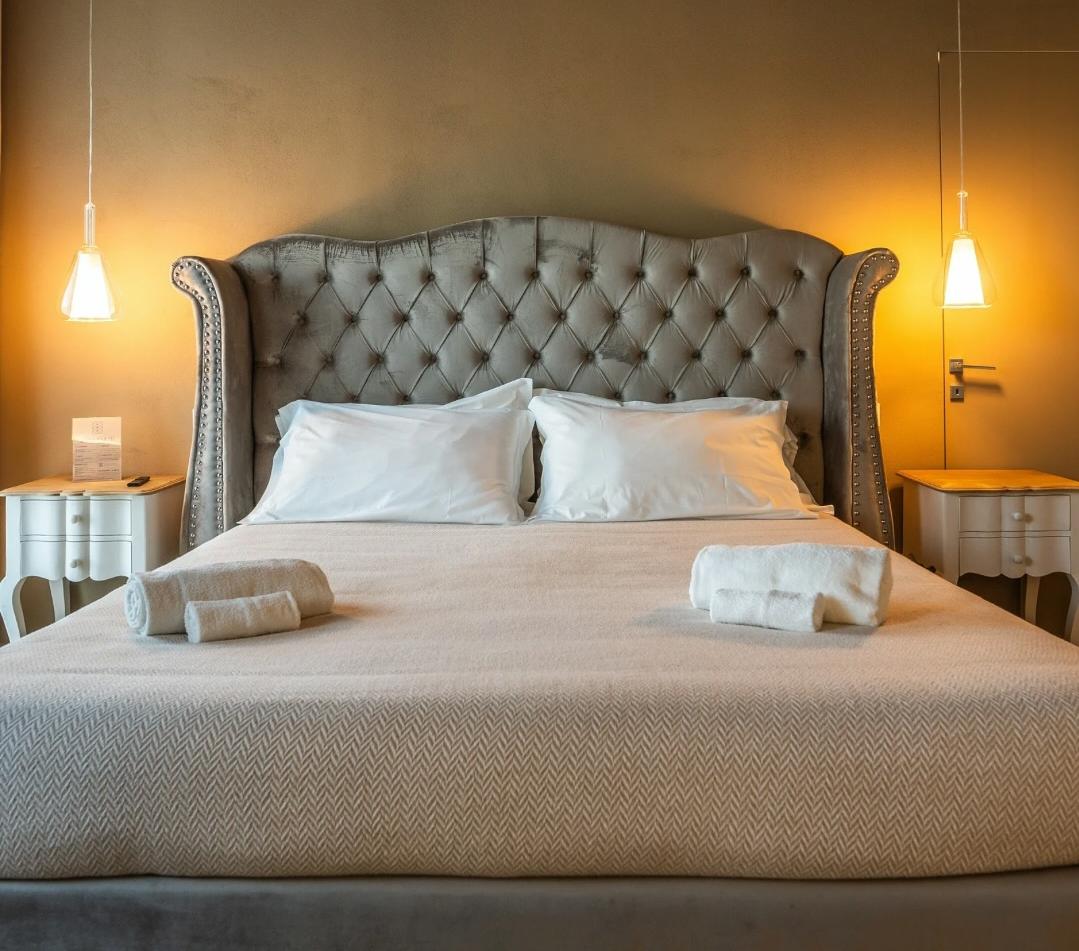
The ultimate choice here is a luxury wedding villas in Tuscany. Often beautifully restored farmhouses or historic aristocratic estates, these properties allow your celebration to flow effortlessly from a vineyard ceremony to an elegant courtyard reception, all without anyone needing to leave the grounds. If you have a larger group, an agriturismo (a working countryside estate) usually offers more beds than a standard private villa. They can often sleep 40 to 60 guests on-site, which is a fantastic way to cut down on late-night shuttle costs.
Key Logistical Details:
-
Minimum Stay: Most high-end villas require a minimum 3-night buyout during peak season (May–September).
-
Catering Flexibility: Unlike hotels, many villas let you bring in your own external catering. This gives you amazing control over your food and beverage budget, though some estates may charge a “kitchen use fee” (typically €500–€1,500).
Historic Grandeur: The Castle Experience
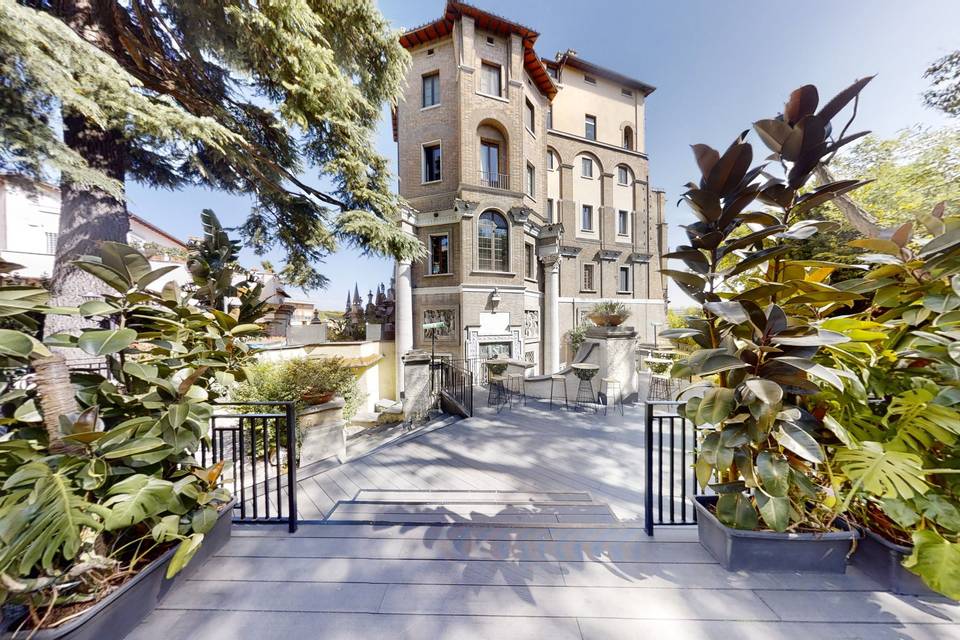
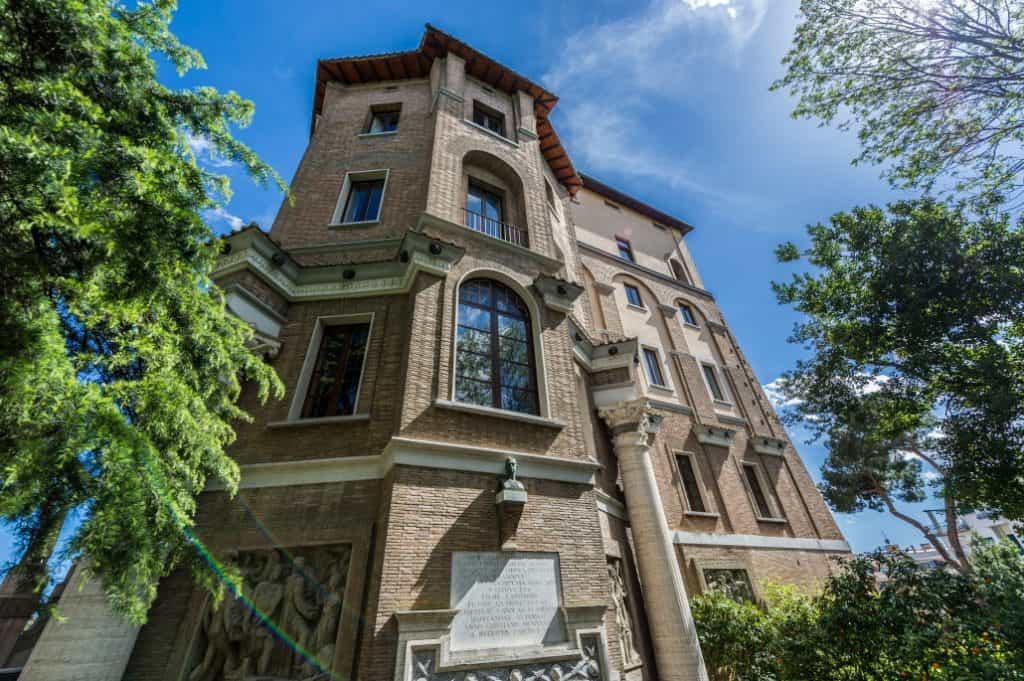
If you are looking for a venue with serious historical drama, an Italian castle is a stunning alternative to a countryside villa. The layout of these properties is fundamentally different; they build upward rather than outward, featuring dramatic towers, secret gardens, and majestic courtyards.
Italian castle wedding venues naturally elevate the elegance and formality of your day. The medieval architecture—often complete with fortress walls or even a moat—offers ultimate privacy. However, keep an eye on accessibility; uneven cobblestones and a lack of elevators can be tricky for elderly guests. On the plus side, those magnificent stone facades speak for themselves, meaning you can often save part of your styling budget since you won’t need to heavily decorate a “blank canvas” space.
Key Logistical Details:
-
Lighting Needs: Ancient fortresses weren’t built with modern evening dining in mind. You will likely need to budget an additional €2,000–€4,000 for professional lighting setups to make those courtyards glow.
-
Acoustics: Stone walls amplify sound beautifully for an acoustic ceremony, but you’ll need an experienced sound engineer to manage the echo during your reception party.
Waterfront Romance: Logistics of the Lakes
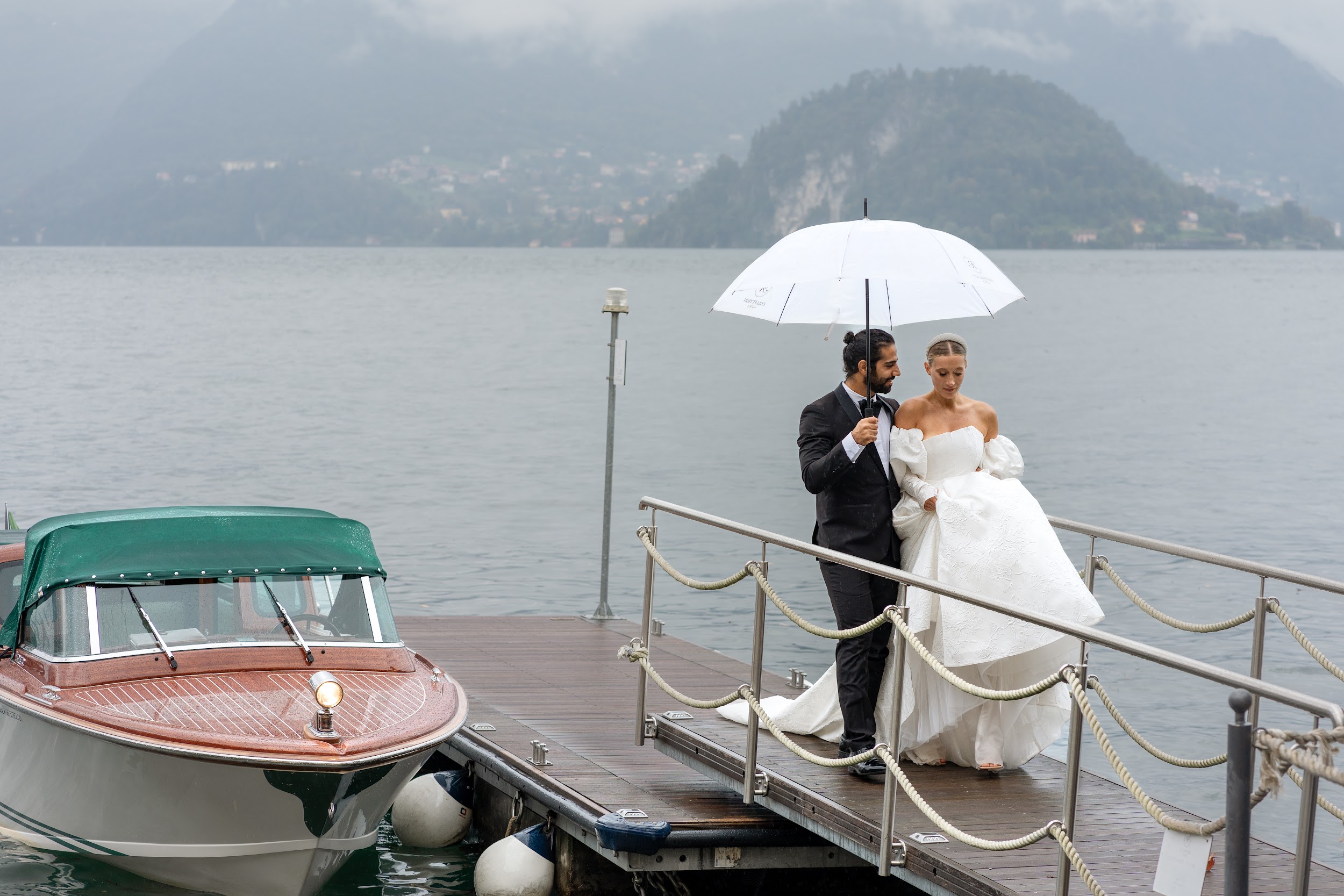
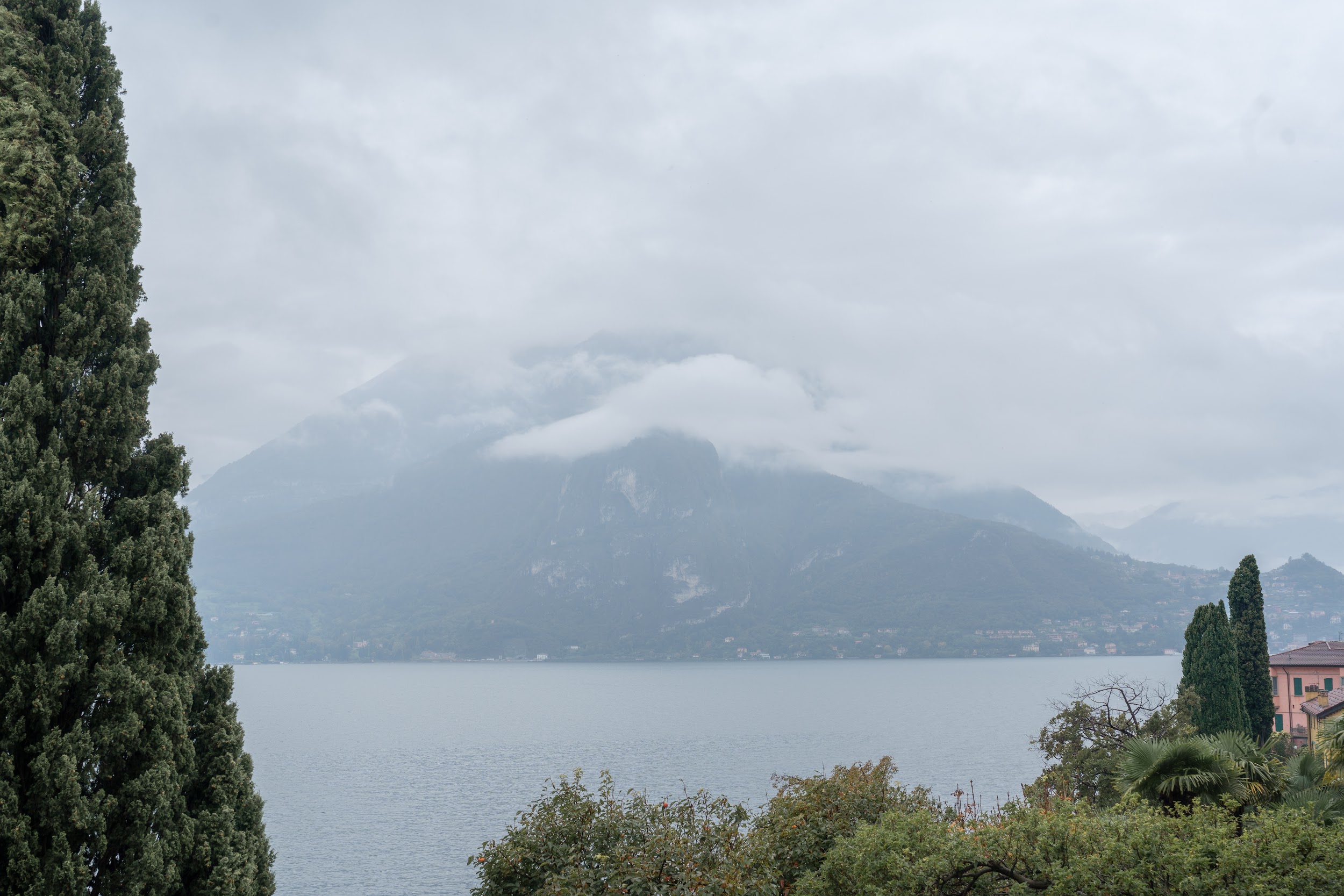
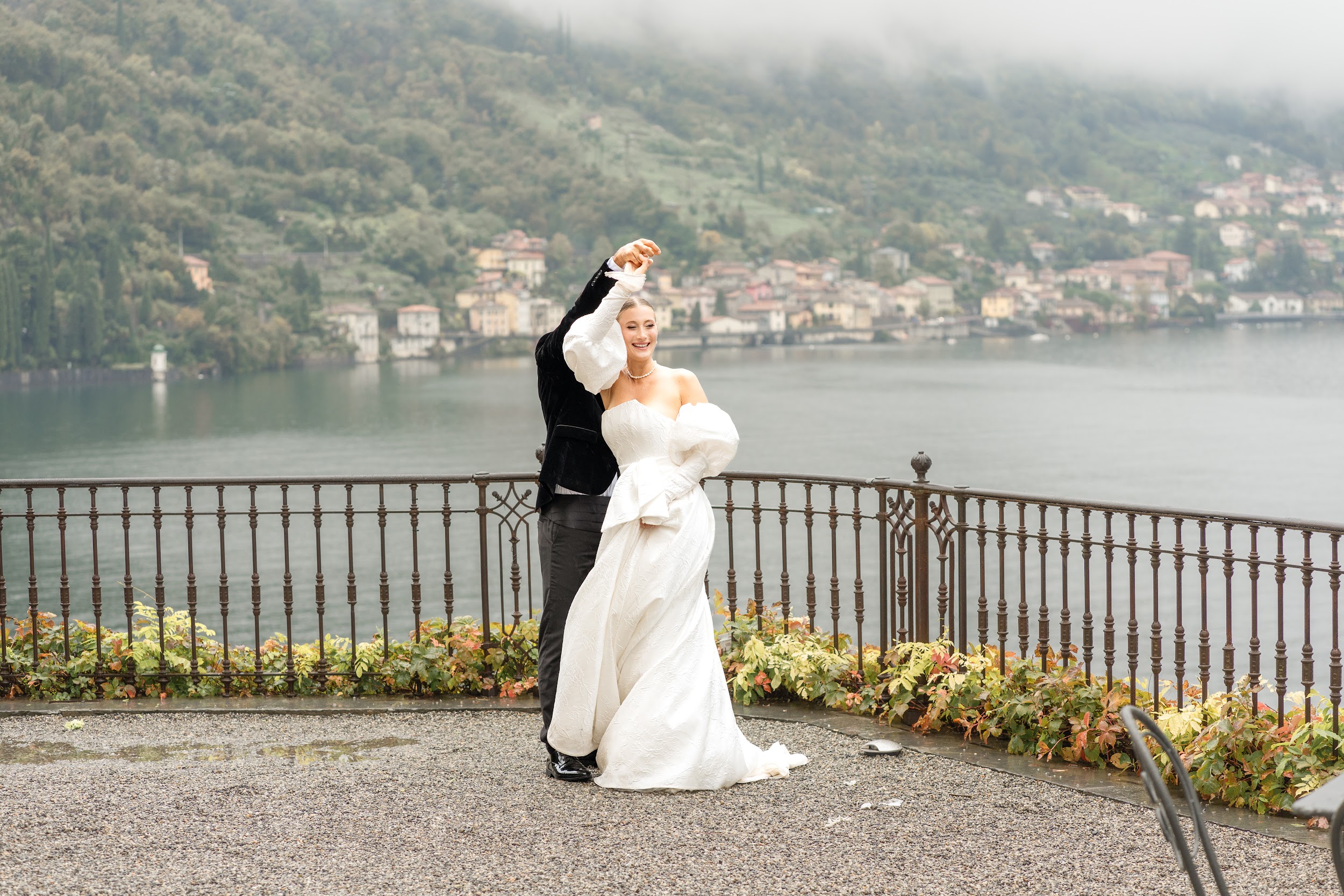
The breathtaking northern lakes region is visually spectacular, but it also presents the most complex planning environment due to its reliance on boat transport. Getting married here requires precise timing and flawless coordination to move your guests around smoothly.
Lakeside wedding venues, primarily clustered around Lake Como and Lake Garda, are all about proximity to the water. The crown jewel of these properties is the waterfront terrace, offering an iconic ceremony backdrop. Just keep in mind that unlike private villas or castles, many lakeside hotels don’t offer exclusive use. Unless you negotiate a full property buyout, you will likely share common areas with other hotel guests.
Key Logistical Details:
-
Dock Access: Not all venues have private docks. You must verify if the property can handle larger transport ferries for your guests, or if they can only accommodate small, classic wooden Riva boats.
-
Music Curfews: Because the lake shorelines are densely populated, outdoor noise restrictions are incredibly strict. Expect outdoor music to end firmly at 23:00 or midnight.
At a Glance: Comparing Venue Types
To help you weigh your options, here is how the three main venue styles compare across the most crucial planning metrics:
| Metric | Countryside Villa | Historic Castle | Lakeside Hotel |
| Typical Capacity | 80–150 Guests | 100–250 Guests | 50–120 Guests |
| Accommodation | High (On-site for 20-60%) | Medium (Bridal party only) | Variable (Hotel dependent) |
| Privacy Level | High (Exclusive Use) | High (Walled/Gated) | Medium (Shared areas) |
| Plan B Cost | Moderate (Marquee often needed) | Low (Indoor halls available) | High (Custom tenting) |
| Music Curfew | Flexible (often indoor late options) | Flexible (thick walls insulate) | Strict (23:00/00:00) |
| Accessibility | Moderate (Gravel paths) | Low (Stairs/Cobbles) | High (Lifts/Paved) |
Expert Advice: Balancing Beauty and Practicality
When touring venues in Italy, remember that “Capacity” isn’t just one number. You must clearly distinguish between maximum outdoor capacity and your “Plan B” indoor capacity. A property might boast a glorious garden that holds 200 guests, but if their indoor Limonaia or banquet hall only holds 100, your guest list is strictly capped at 100—unless you’re prepared to invest in a custom marquee tent (which typically starts at €125/sqm).
Always treat your Plan B as a real possibility, not just an insurance policy. Even in July, regions like the Amalfi Coast or the Northern Lakes can experience sudden showers. Make sure your backup space is just as beautiful as your Plan A, and crucially, that it doesn’t require “flipping the room” (moving all the dining tables during cocktail hour), which can disrupt the flow of your day. The most magical Italian venues are those that balance their historic charm with invisible, modern logistics—like reliable power for caterers, accessible restrooms, and easy vendor access. Nail these details, and your wedding will feel perfectly effortless.