

When you picture the most romantic places to get married in Tuscany, you are likely dreaming of a historic Tuscan villa. Technically, these breathtaking properties were originally built as country estates for noble families, often surrounded by olive groves, vineyards, and cypress-lined driveways. Today, they serve as the top wedding venues in Tuscany, blending centuries of history with modern luxury. However, before you book your dream Tuscany wedding location, there are crucial logistical secrets every couple needs to know to ensure a flawless celebration.
For couples planning a destination wedding and analyzing wedding venues in Italy, the villa is often the most convenient format. It solves the logistical challenge of moving guests between locations by keeping accommodation and events in one place. However, this freedom comes with responsibility: unlike a full-service hotel, you are often in charge of the operational details, from catering logistics to noise management.


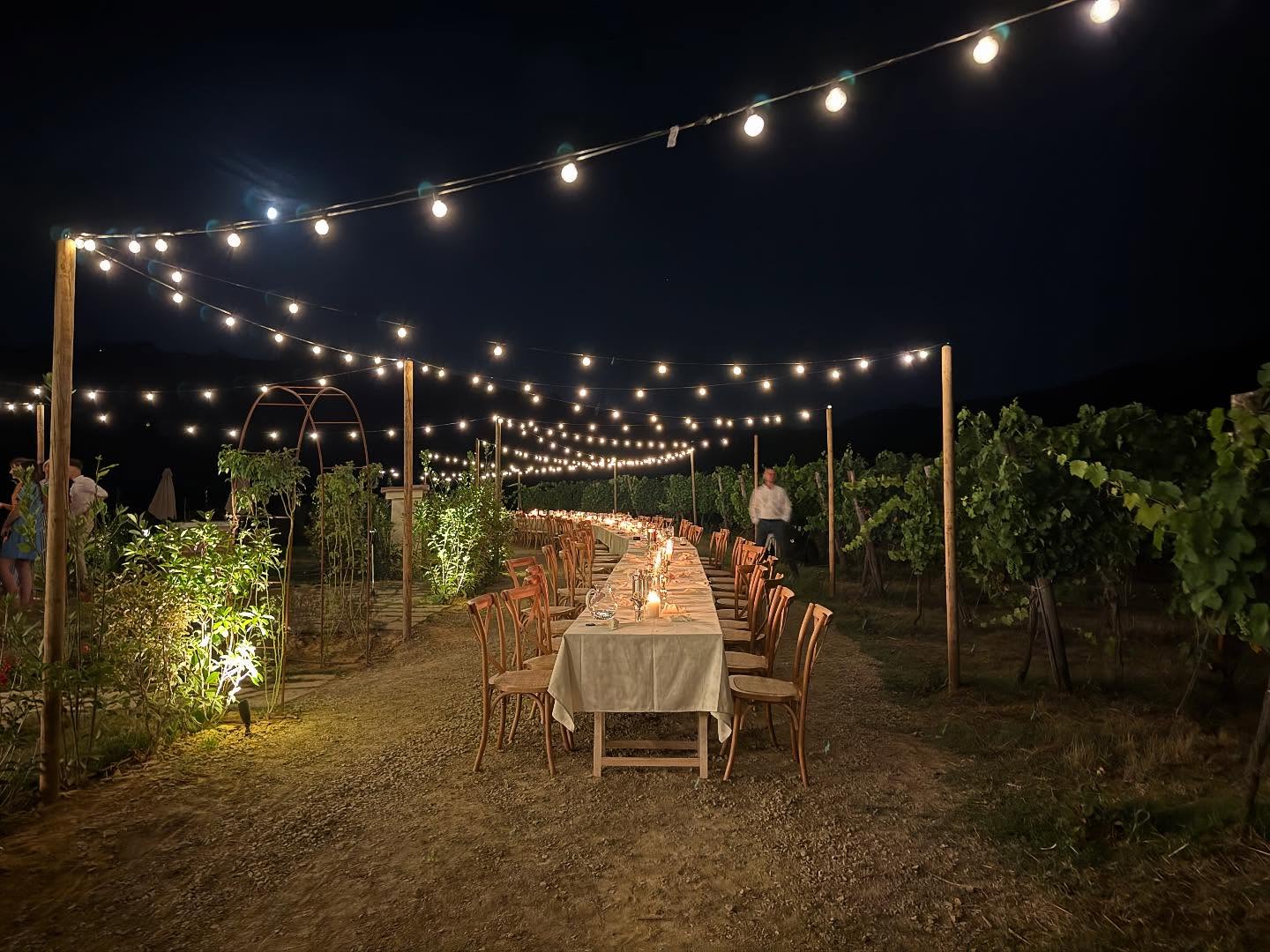
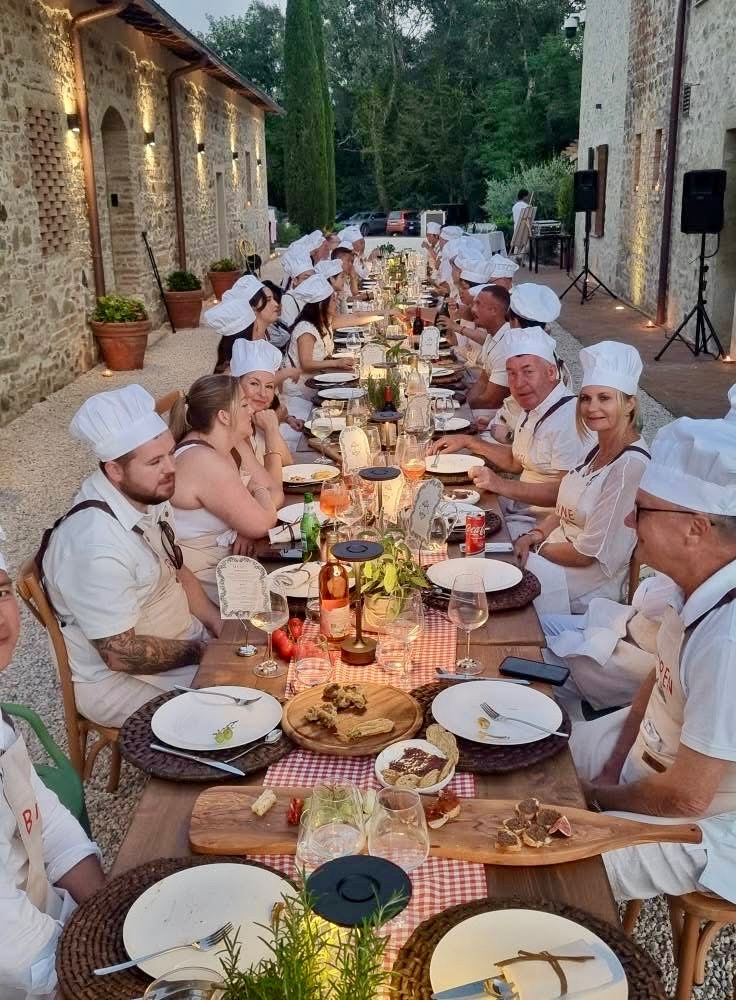
Capturing the Tuscan Dream: Style & Romance
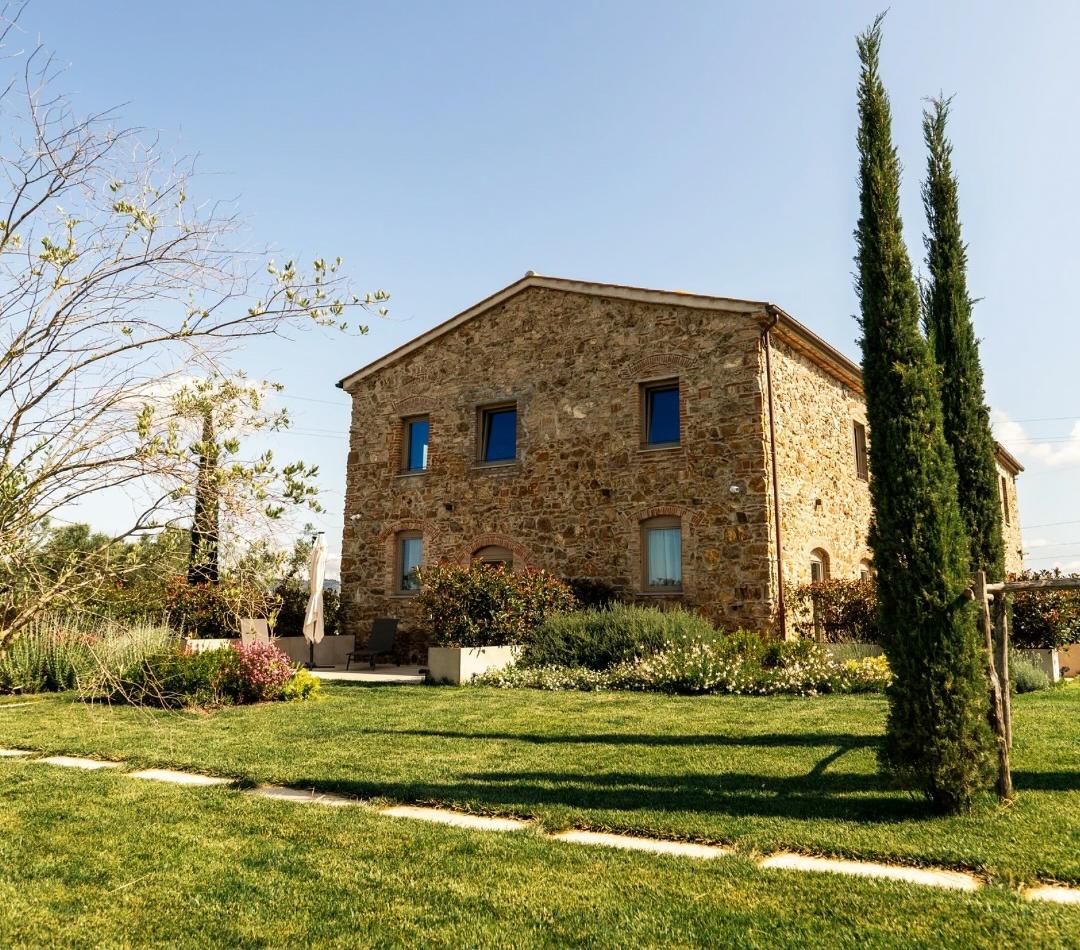
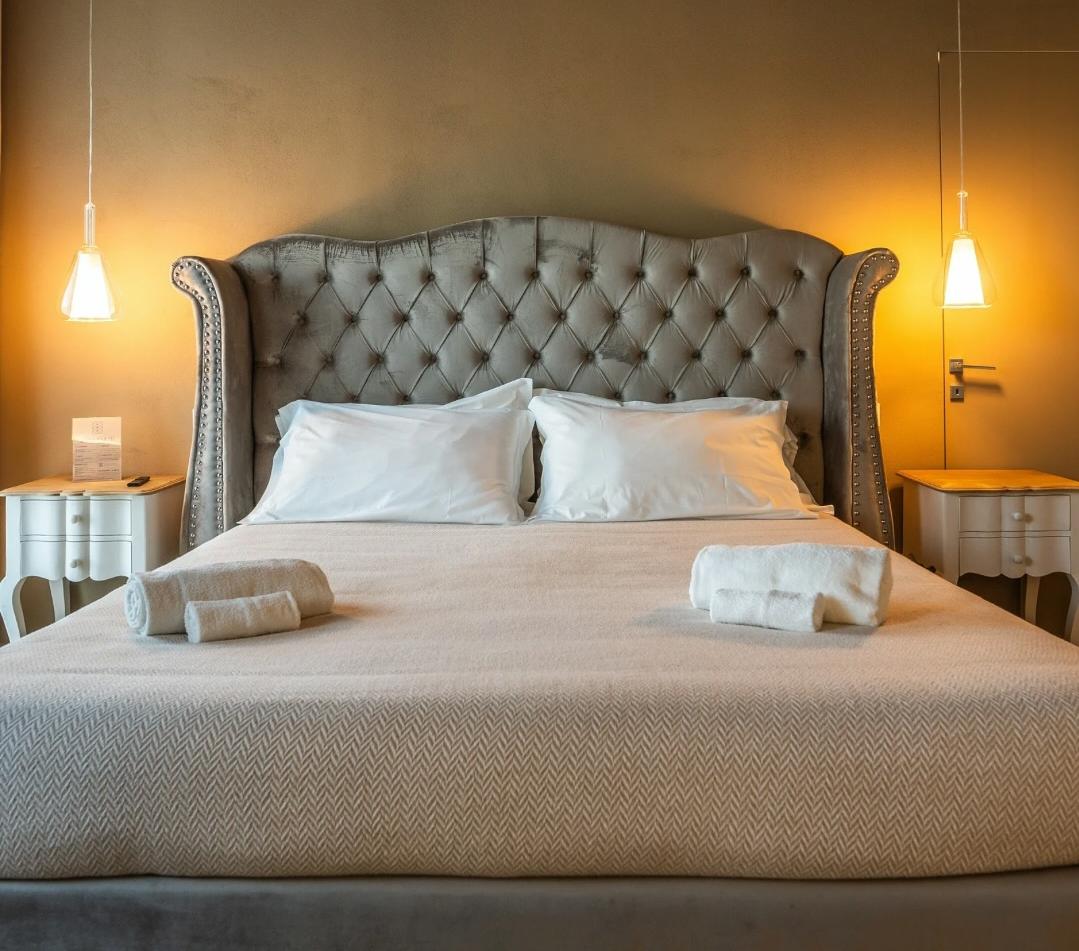
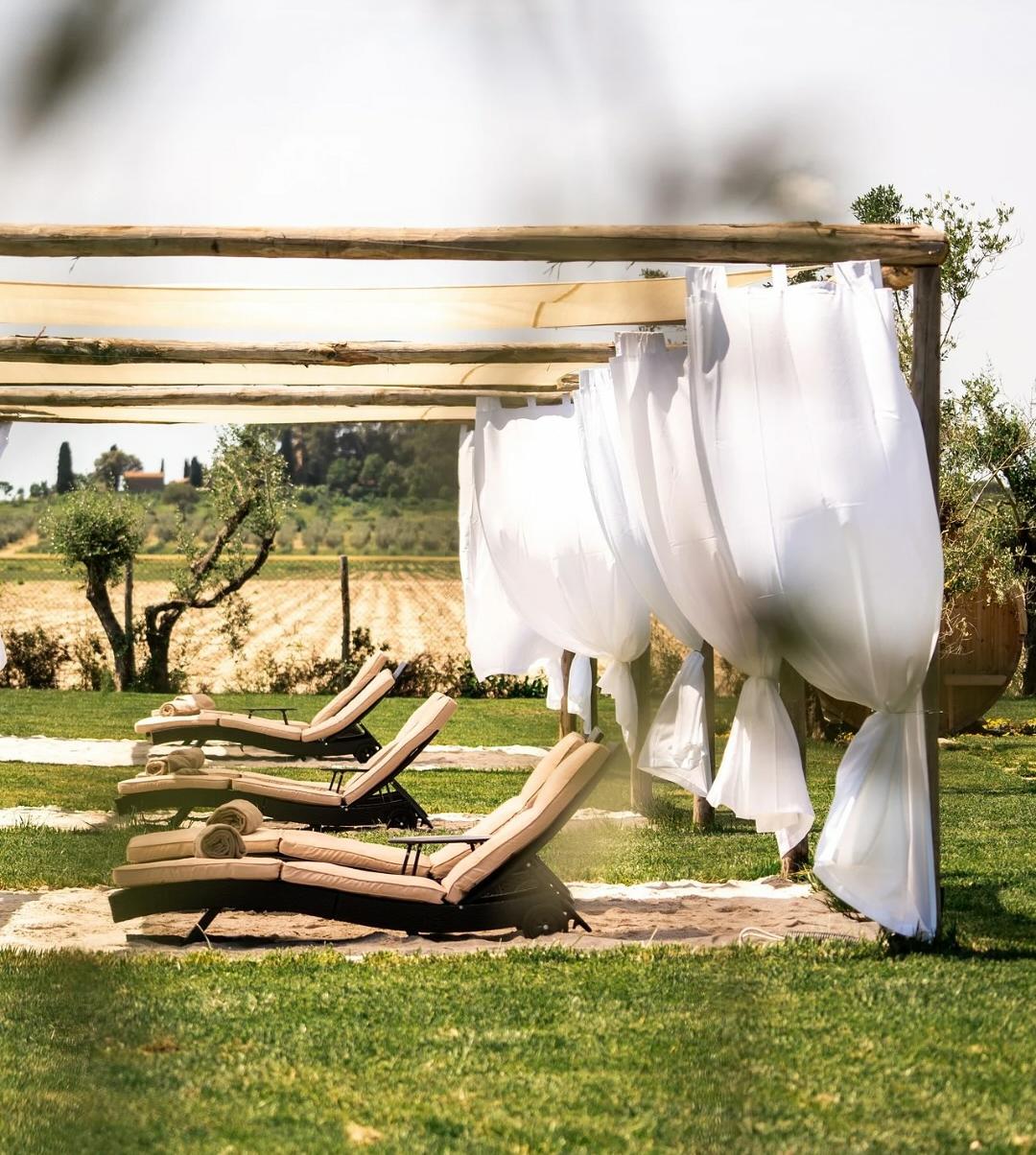
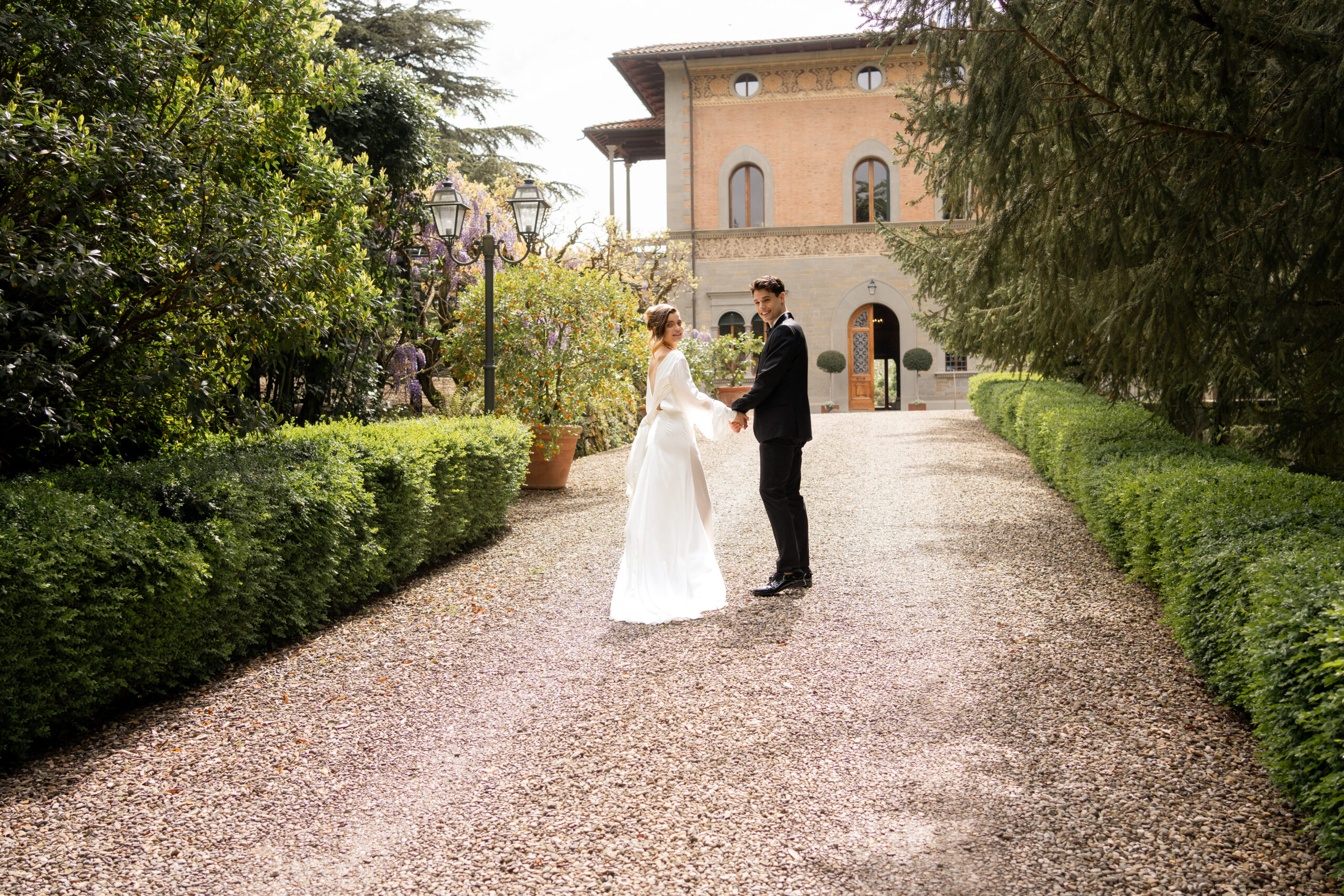
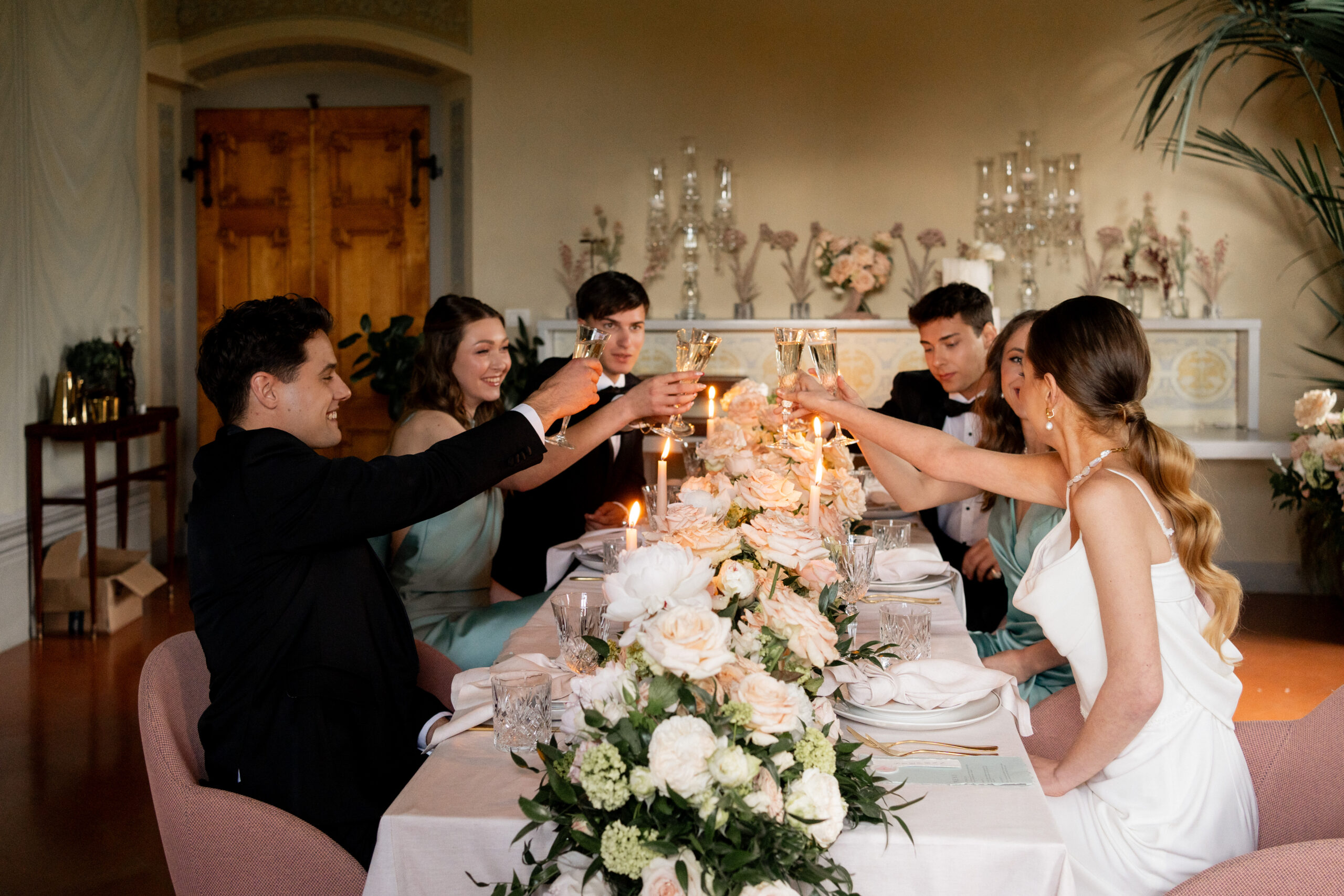
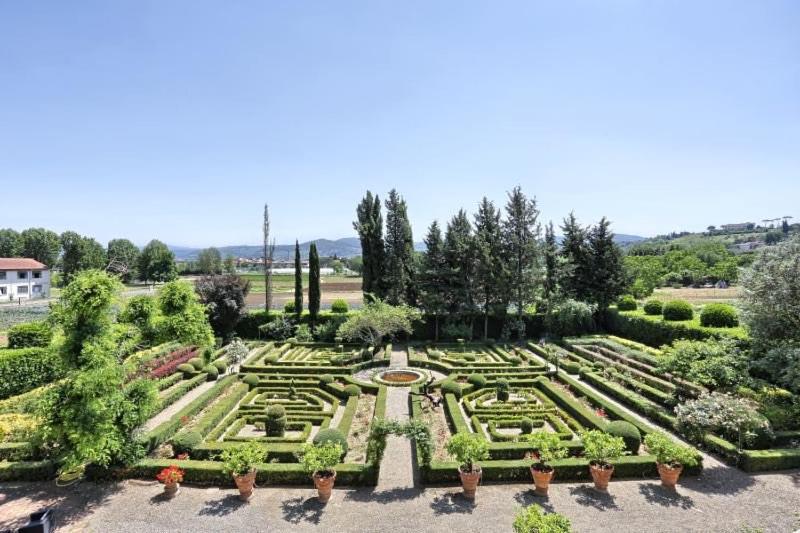
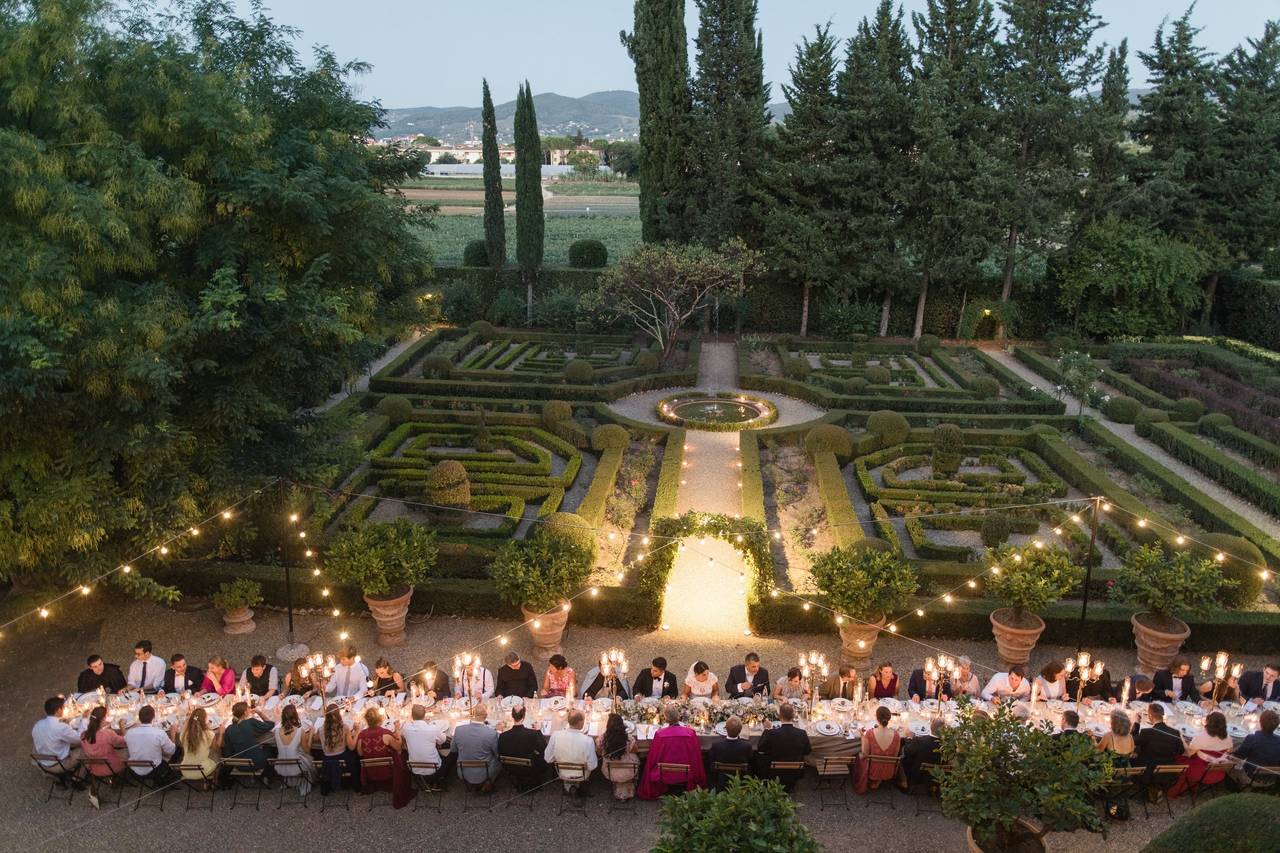
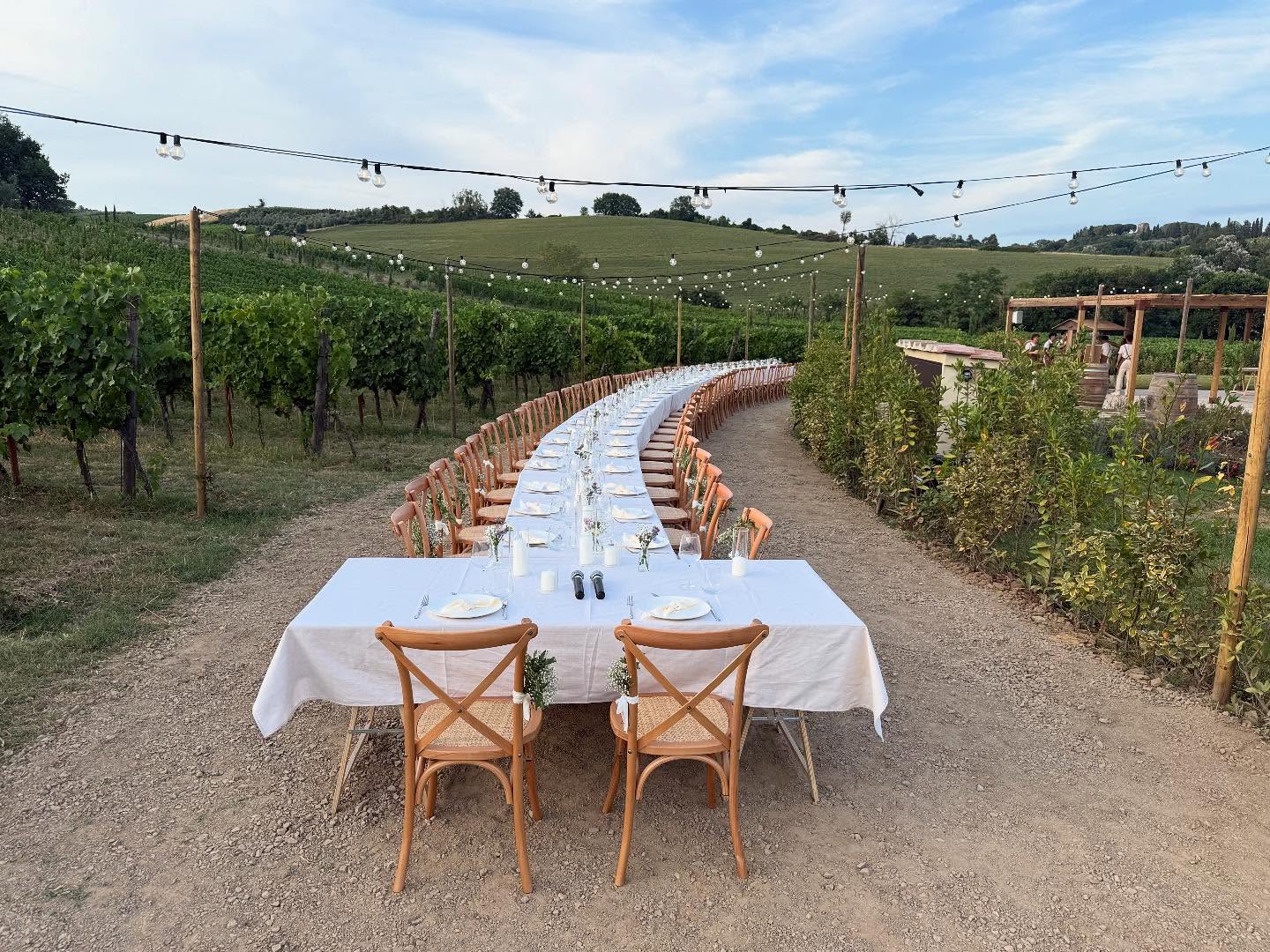
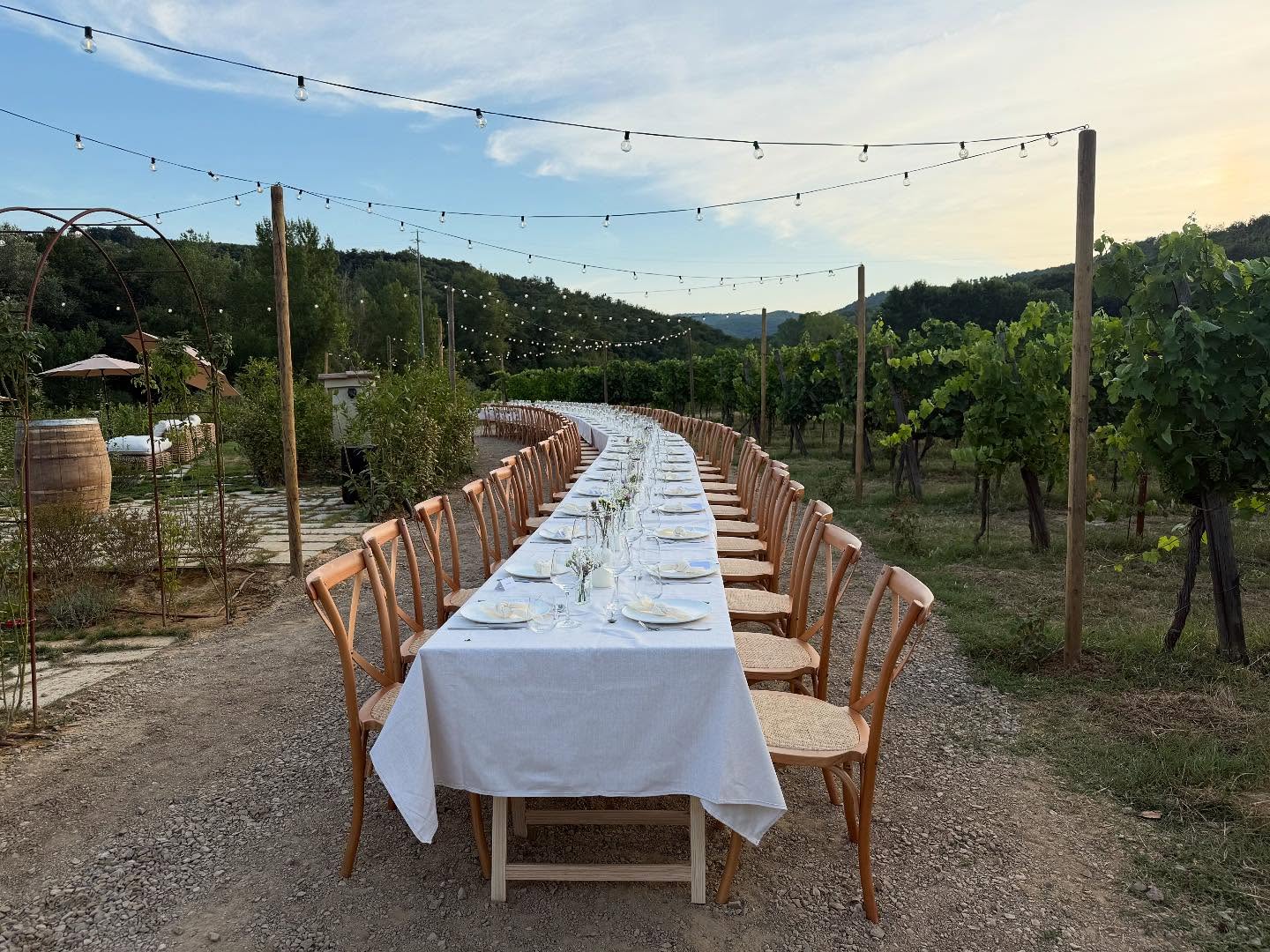
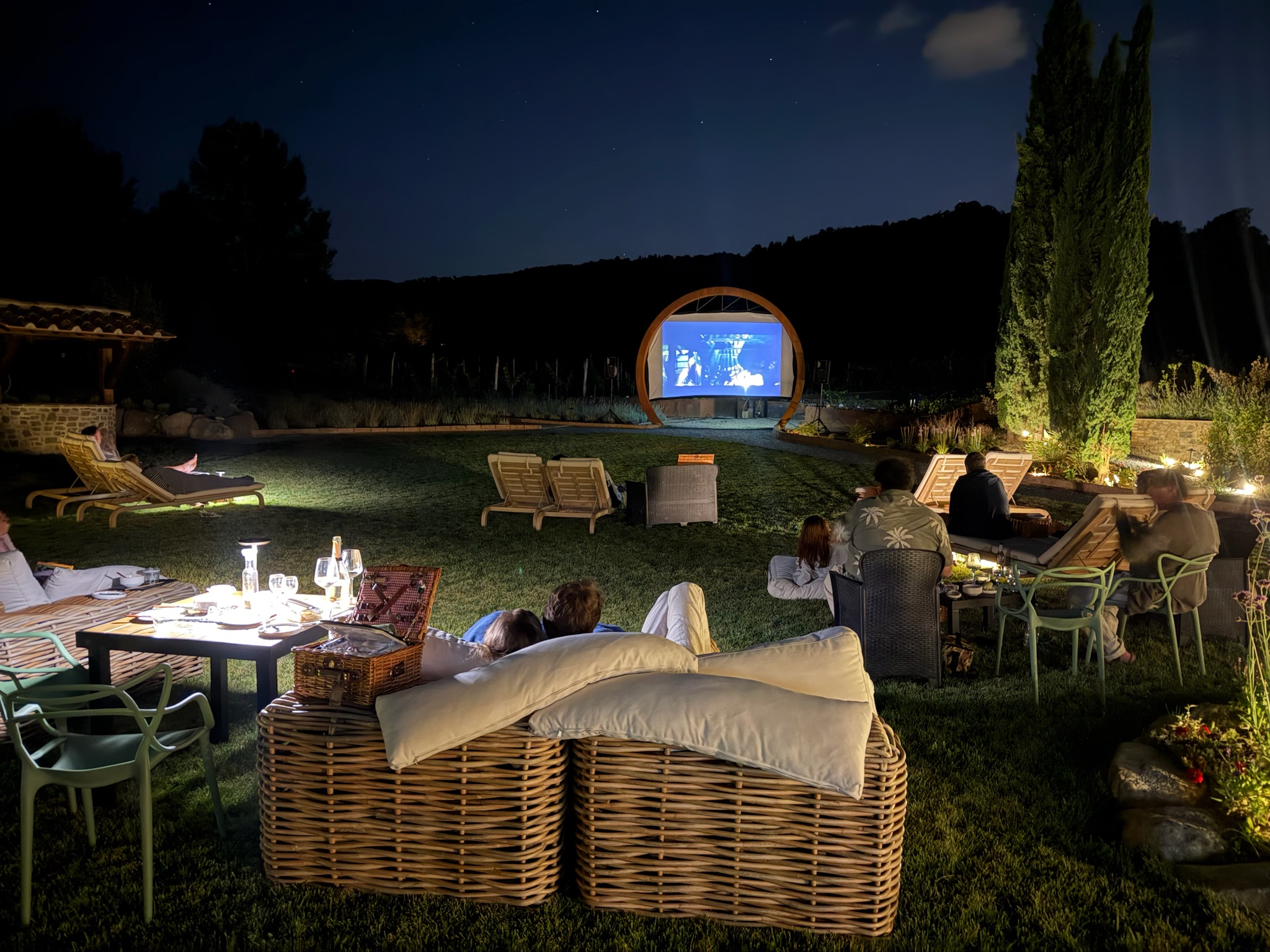
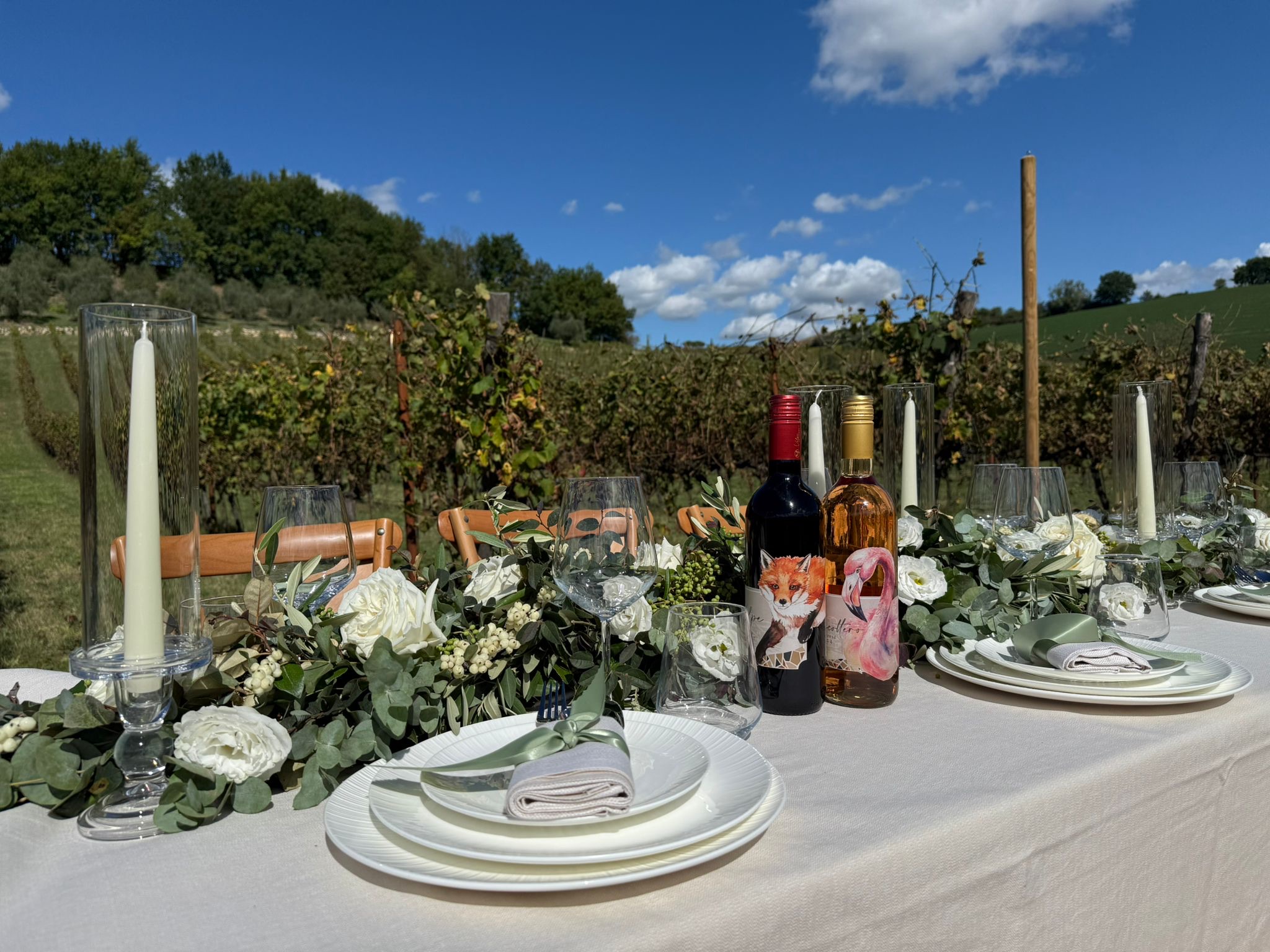
One of the greatest advantages of a private villa is the sheer romance of the setting, which provides a stunning backdrop for every moment of your celebration. The combination of historic architecture, lush gardens, and the uniquely golden Tuscan light creates an atmosphere that is both luxurious and deeply personal.
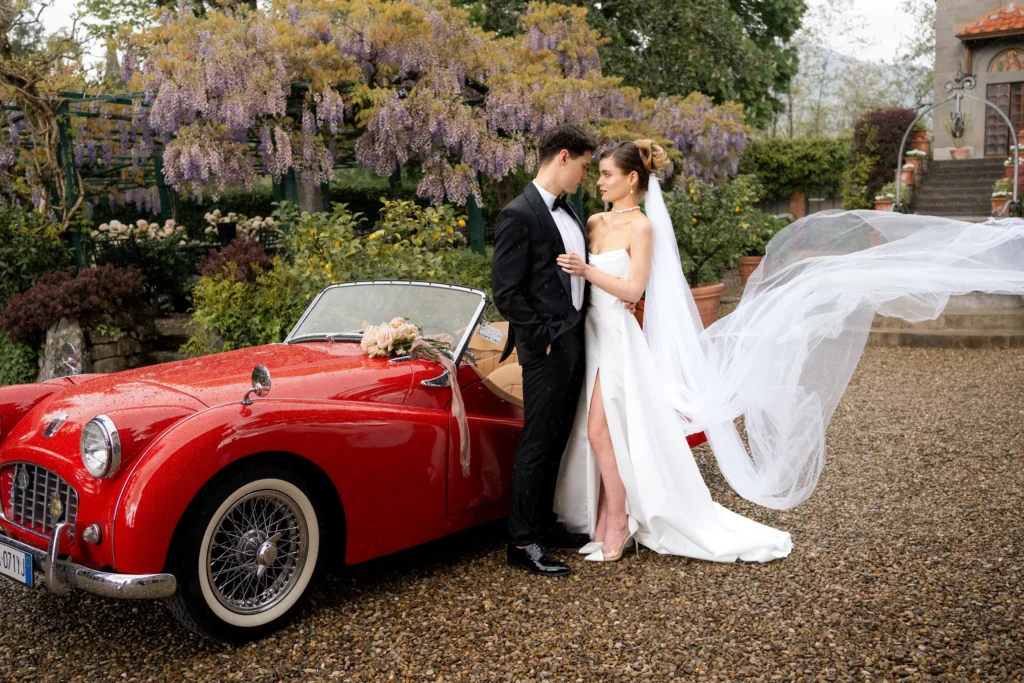
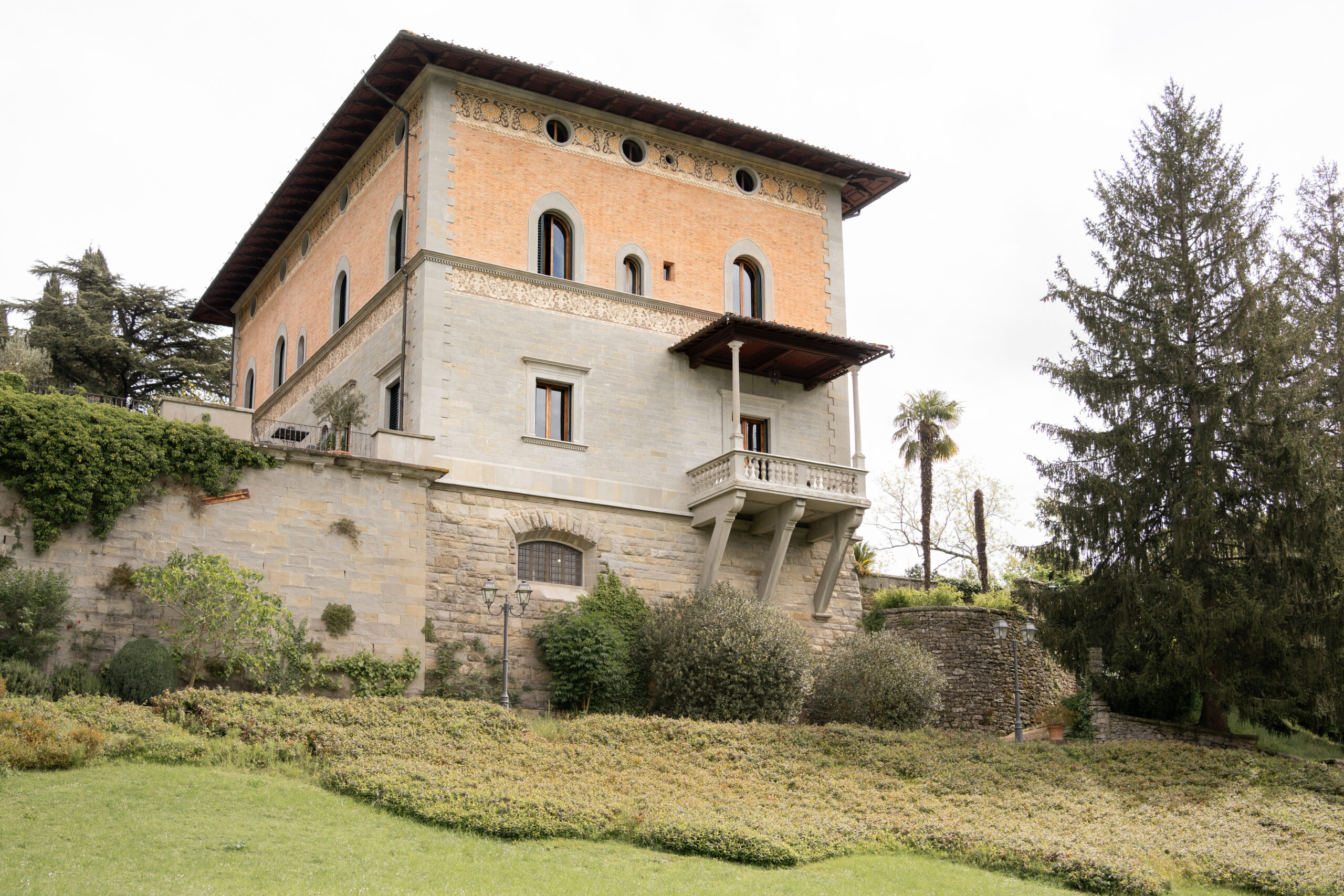
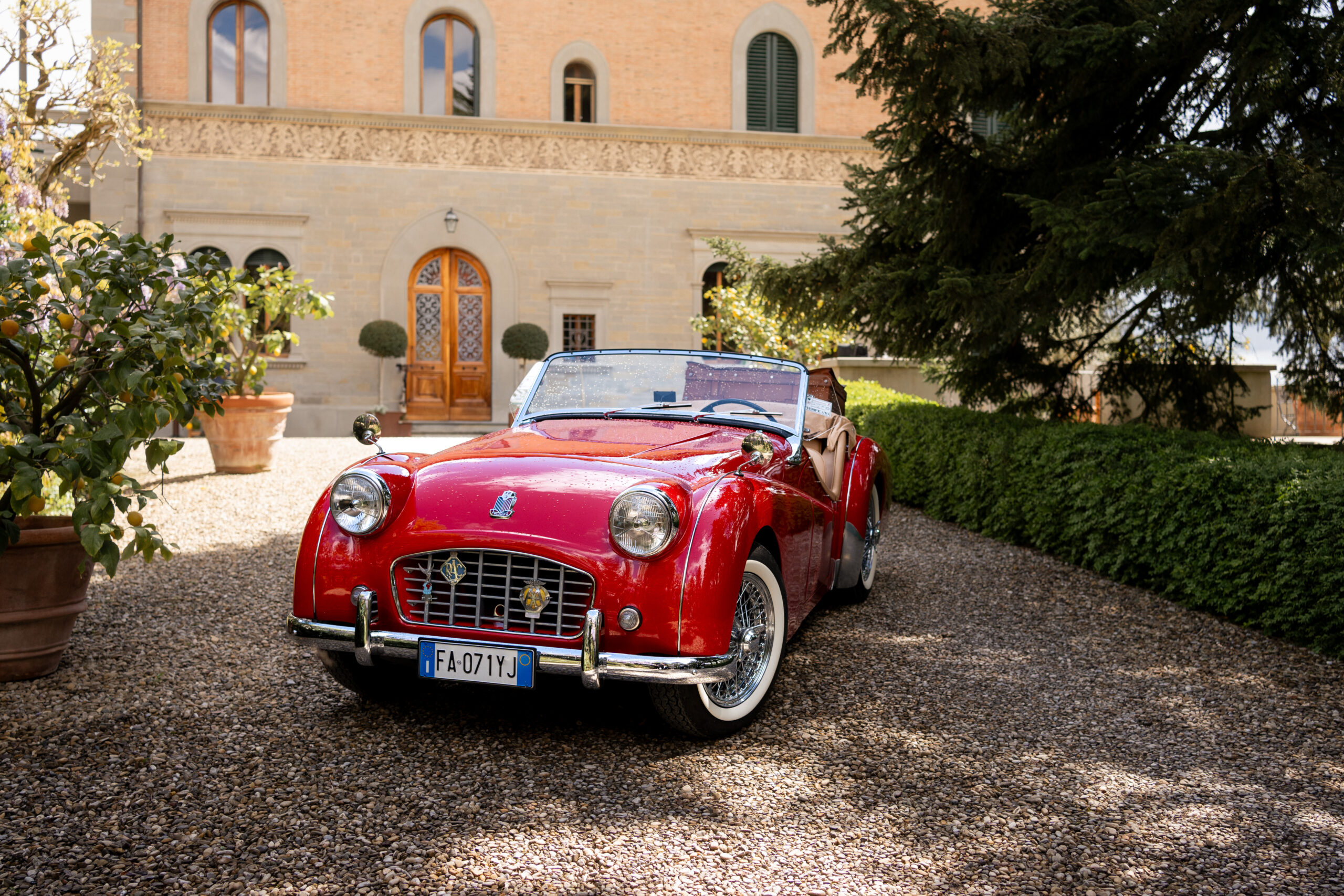
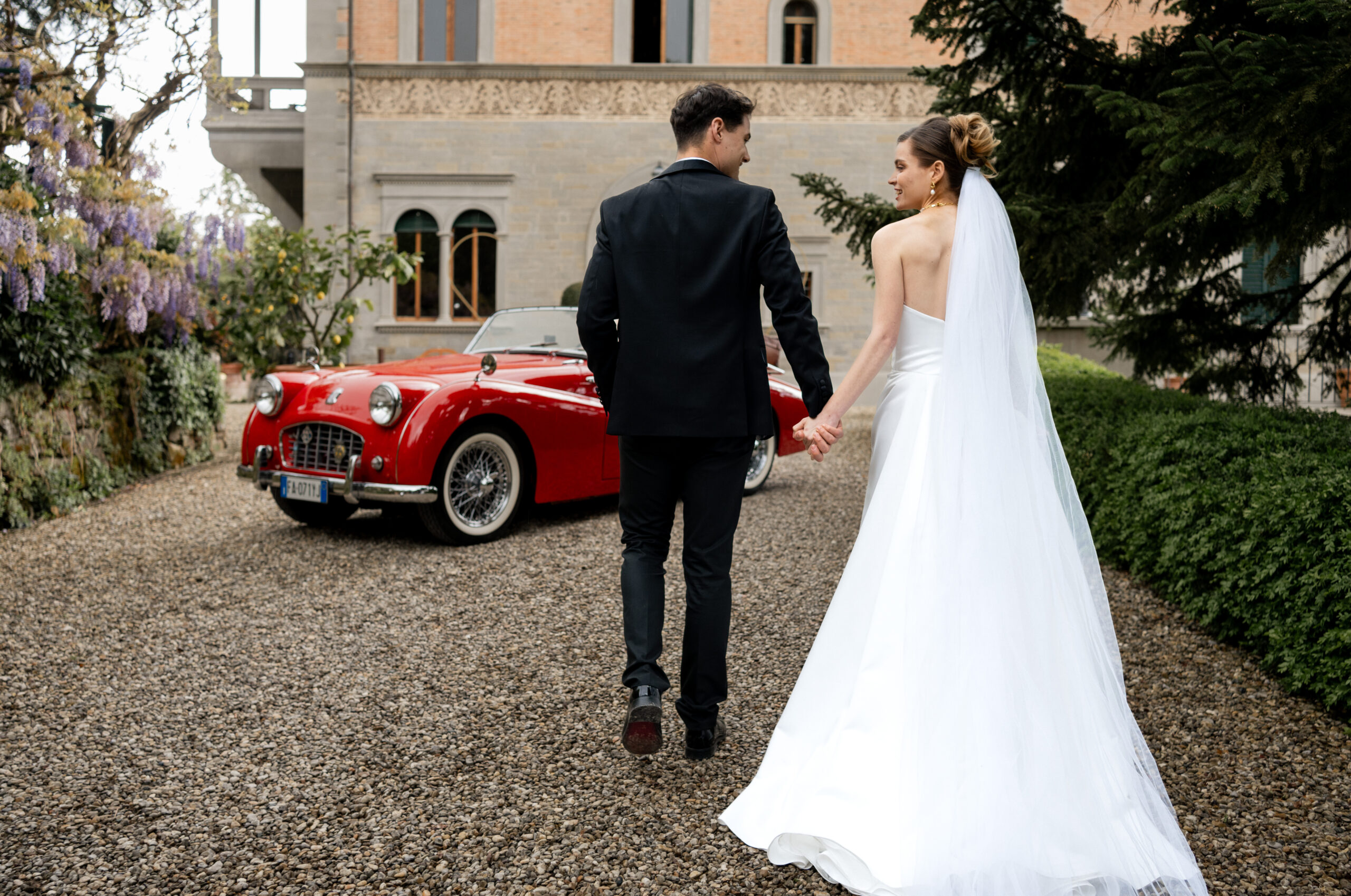
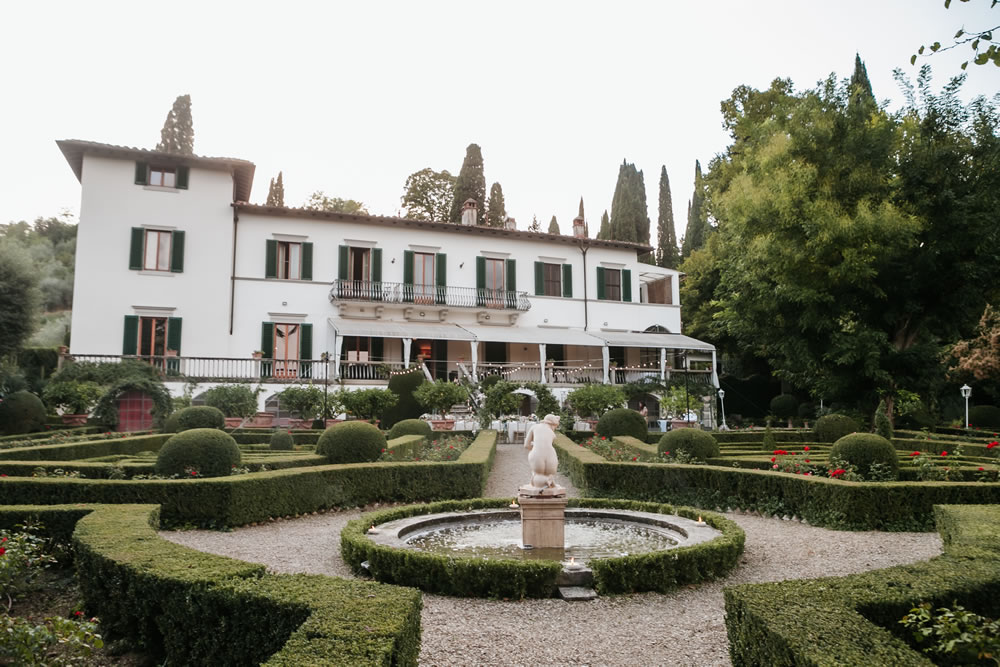
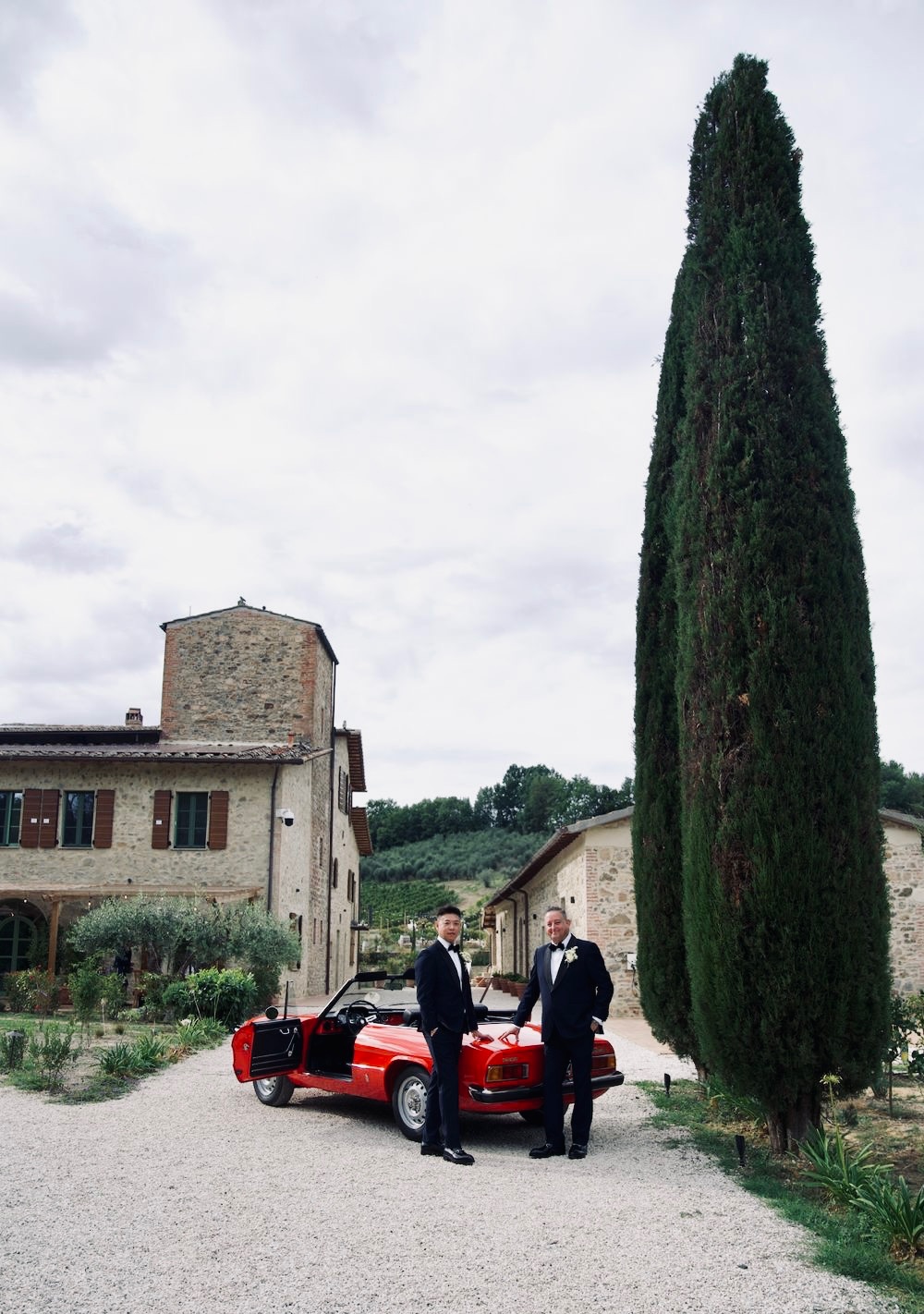
Many couples choose to enhance this inherent charm with stylish details, like a vintage car for the couple’s arrival or photo session. A historic property like Villa Commenda, with its elegant driveway and blooming wisteria, is the perfect canvas for such a timeless aesthetic.
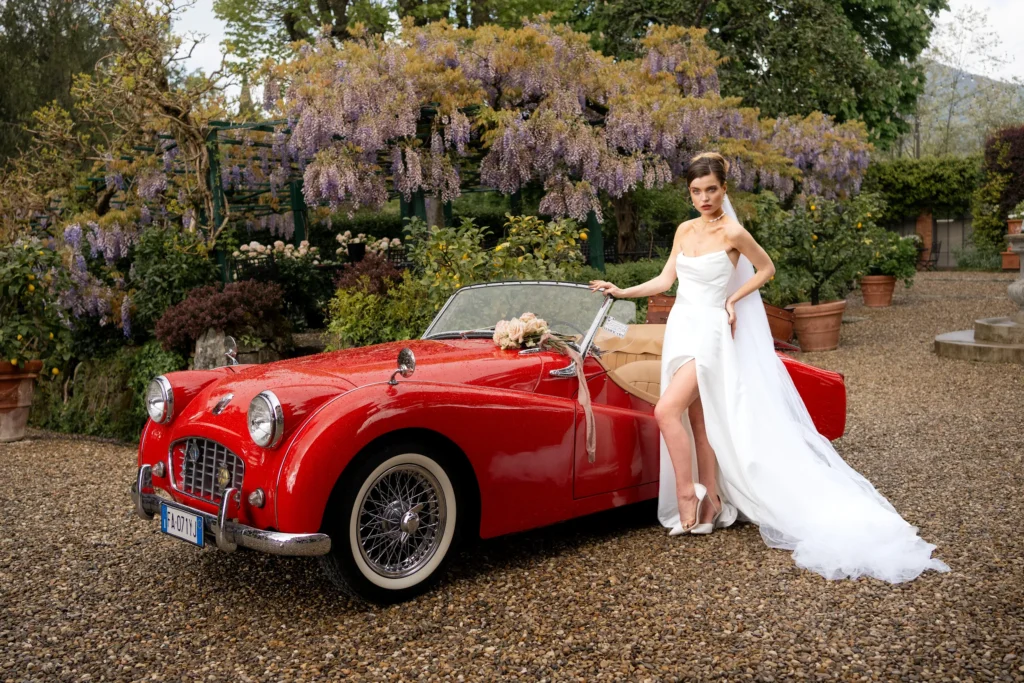
Finding the Right Fit: Luxury Estate vs. Agriturismo
The first step in selecting a venue is balancing the “bed-to-guest” ratio. Tuscan properties generally fall into two categories:
1. Private Luxury Villa
-
- Best for: Intimacy and high-end service.
- Capacity: Typically sleeps 12–24 guests (perfect for the bridal party and immediate family).
- Service: often includes daily housekeeping and a concierge.
- Cost: Higher rental fees, often with a separate event fee.
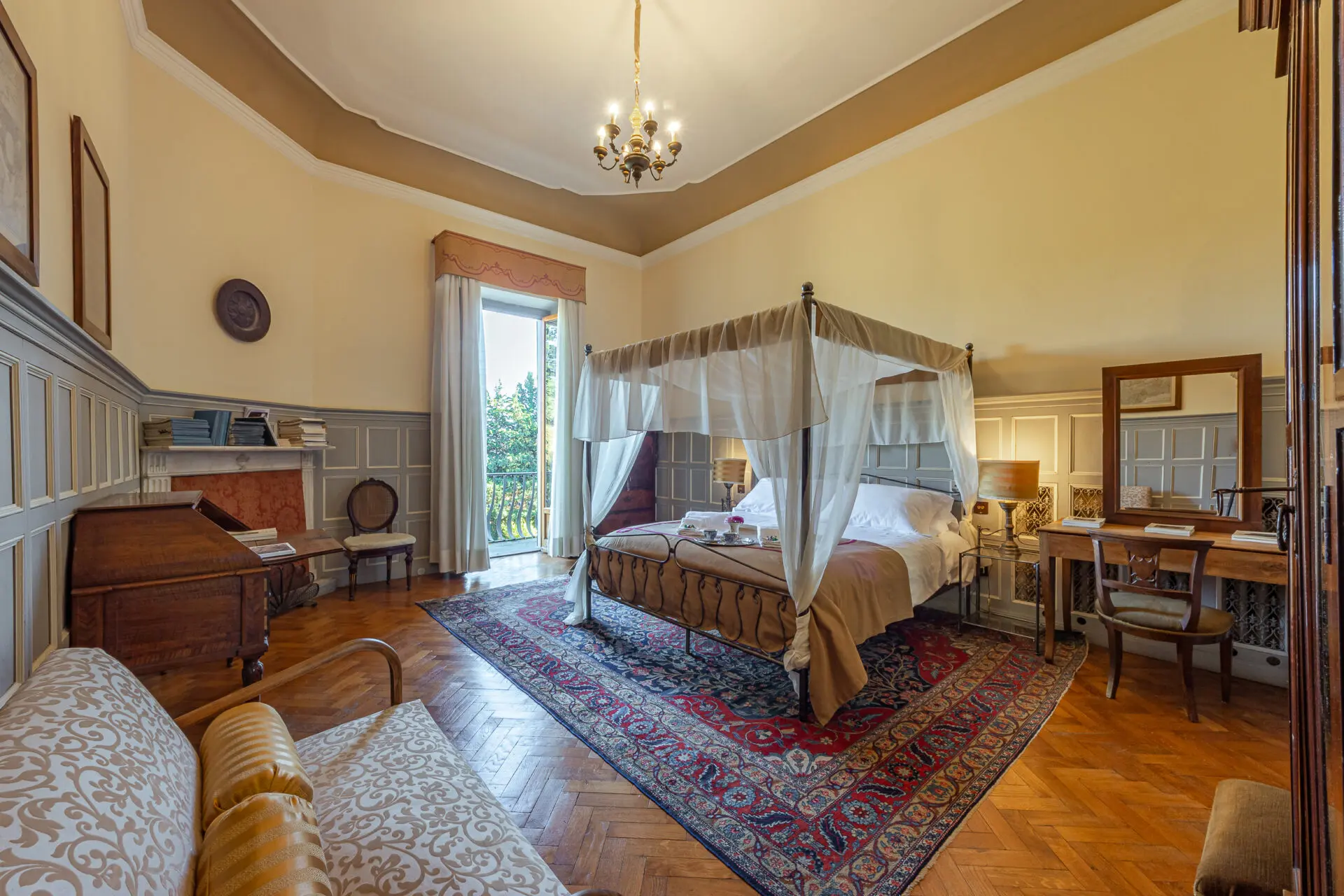
The exclusive nature of a private luxury villa allows for deeply personal moments, such as the bride getting ready in a beautiful, quiet suite, away from the hustle and bustle.

2. Agriturismo (Farm Estate)
-
- Best for: Larger groups and a relaxed, rustic vibe.
- Capacity: Can often sleep 40–60+ guests across multiple apartments.
- Vibe: Informal and authentic.
- Value: Lower rental fees, though many require the purchase of the estate’s own wine or olive oil.
Expert Tip: If your guest list exceeds the villa’s sleeping capacity, mind the “Shuttle Bus Radius.” Ensure there are sufficient B&Bs or hotels within a 15-minute drive (approx. 10km on winding Tuscan roads) to avoid complicated late-night transport logistics.
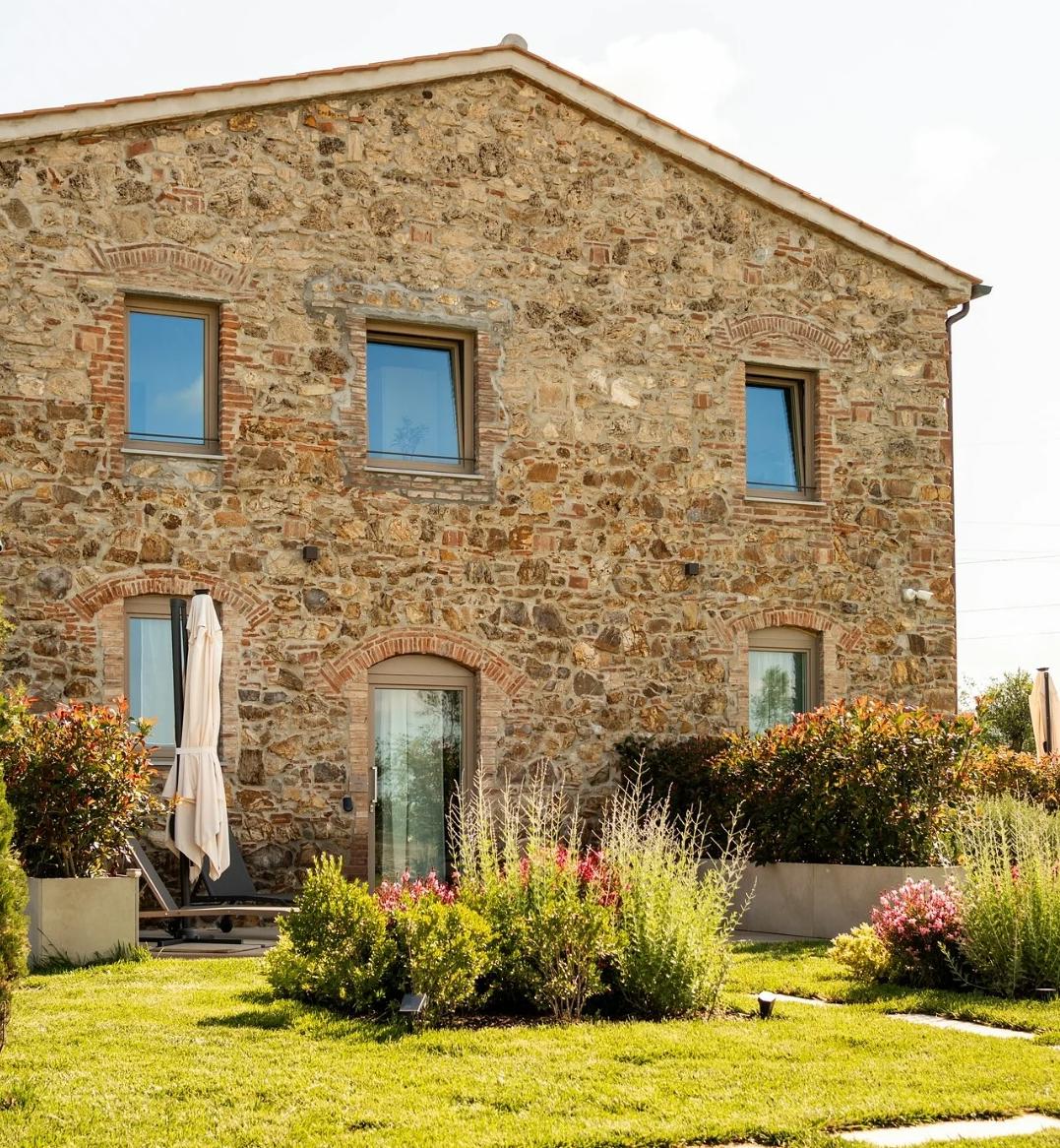
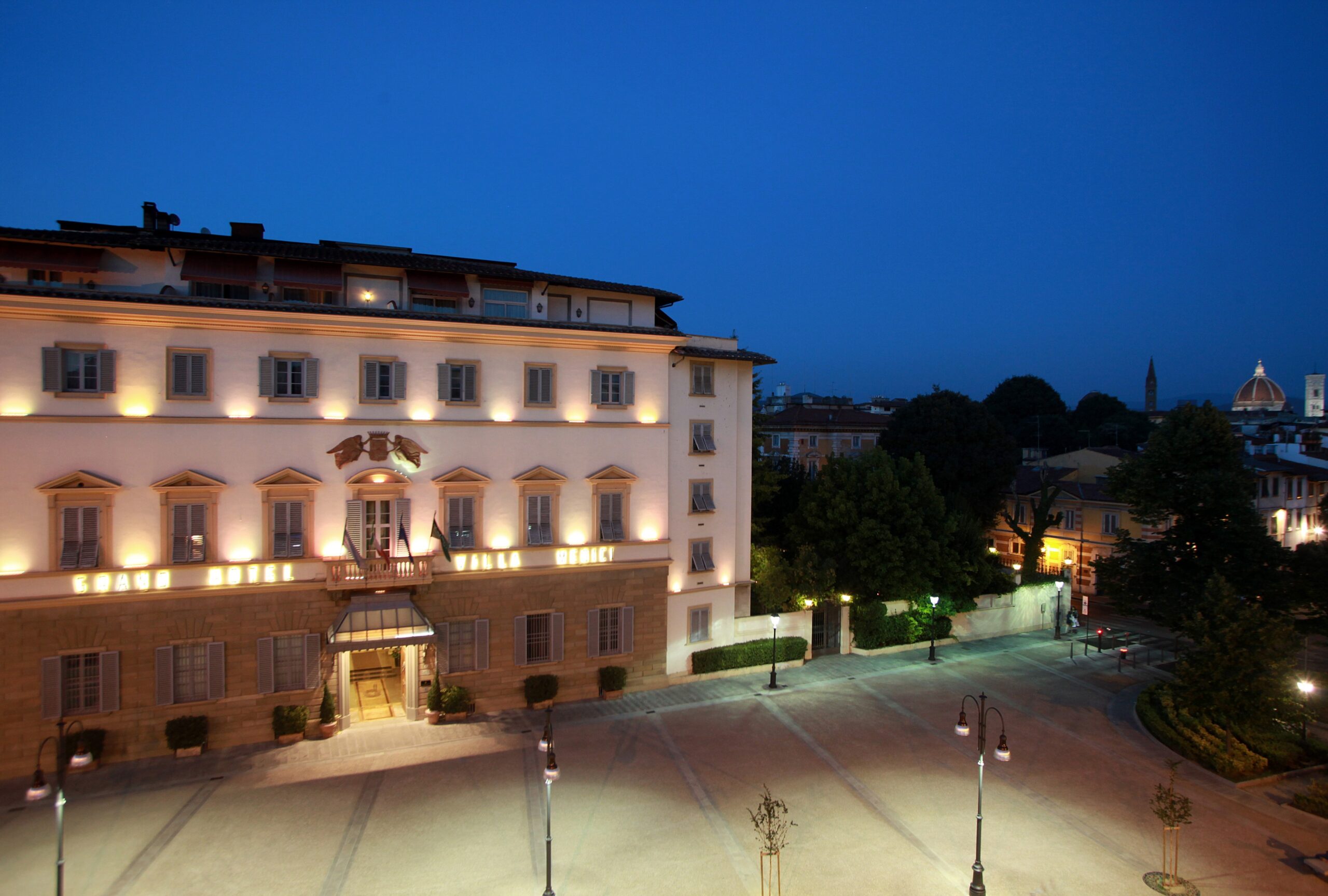
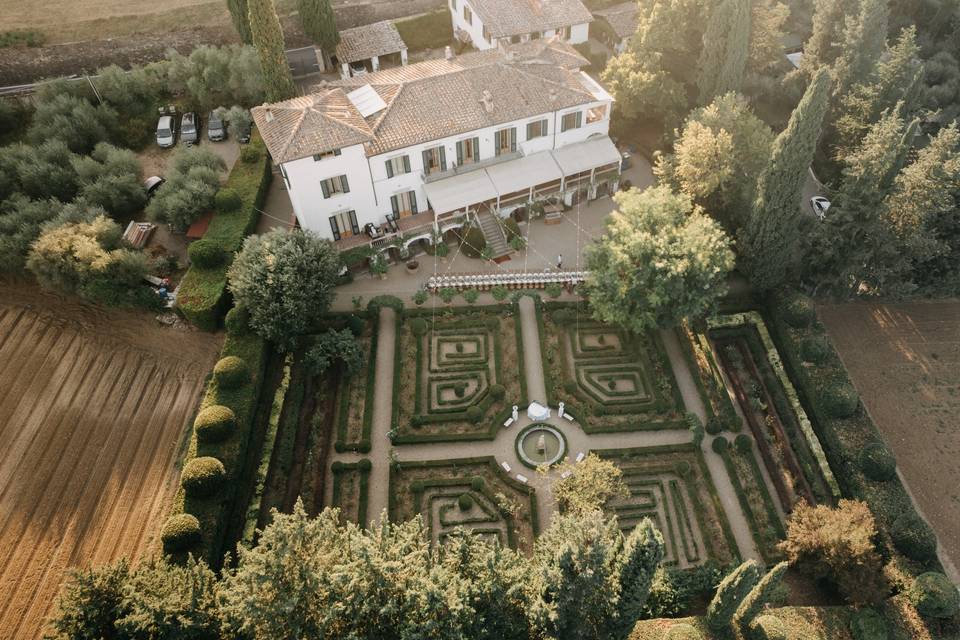
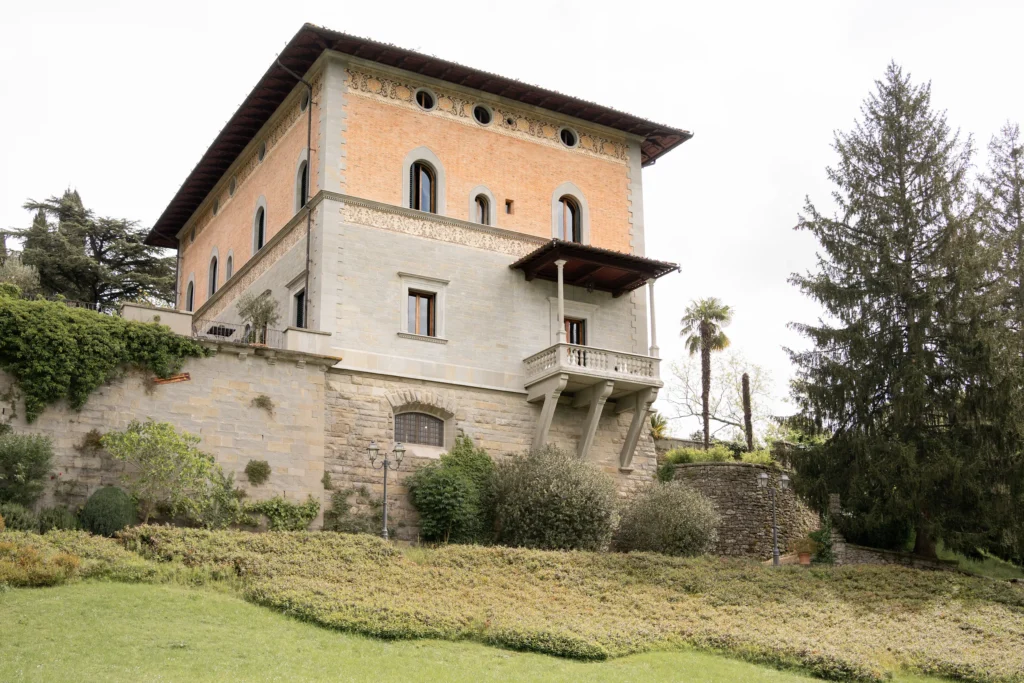
The architecture of the villa itself is a key part of the experience. A imposing structure like Villa Commenda not only provides accommodation but acts as a majestic anchor for the entire event landscape.
Technical Essentials for a Flawless Event
Hidden Logistics: Power Supply for Luxury Estates
Once you find the perfect wedding villa in Tuscany, it’s easy to get swept away by the aesthetics. But behind the scenes, logistics matter. A live band, professional catering equipment, and romantic fairy lights require a massive amount of electricity. While a standard domestic power supply is around 3–6 kW, a luxury wedding requires 20–40 kW.
The Fix: When touring Tuscany venues, always ask if they have an industrial three-phase power supply. If they don’t, your wedding planner will simply arrange for a silenced power generator. It is a standard procedure for historic estates, but vital to include in your budget!
The Plan B: Why the Best Venues Have a “Limonaia”
Many of the most beautiful Tuscany wedding villas are nestled on steep hillsides to maximize those golden sunset views. However, this means finding a flat, even surface for a large wedding marquee tent can be a challenge. Even in summer, having a flawless “Plan B” for rain is essential.
Historically, Tuscan estates featured a Limonaia—a stunning, glass-paned greenhouse used to protect lemon trees in winter. Today, these light-filled, architectural spaces serve as the ultimate indoor reception areas. When looking at places to get married in Tuscany, always ask to see their Limonaia or indoor dining hall. Your Plan B should feel just as magical as your Plan A!
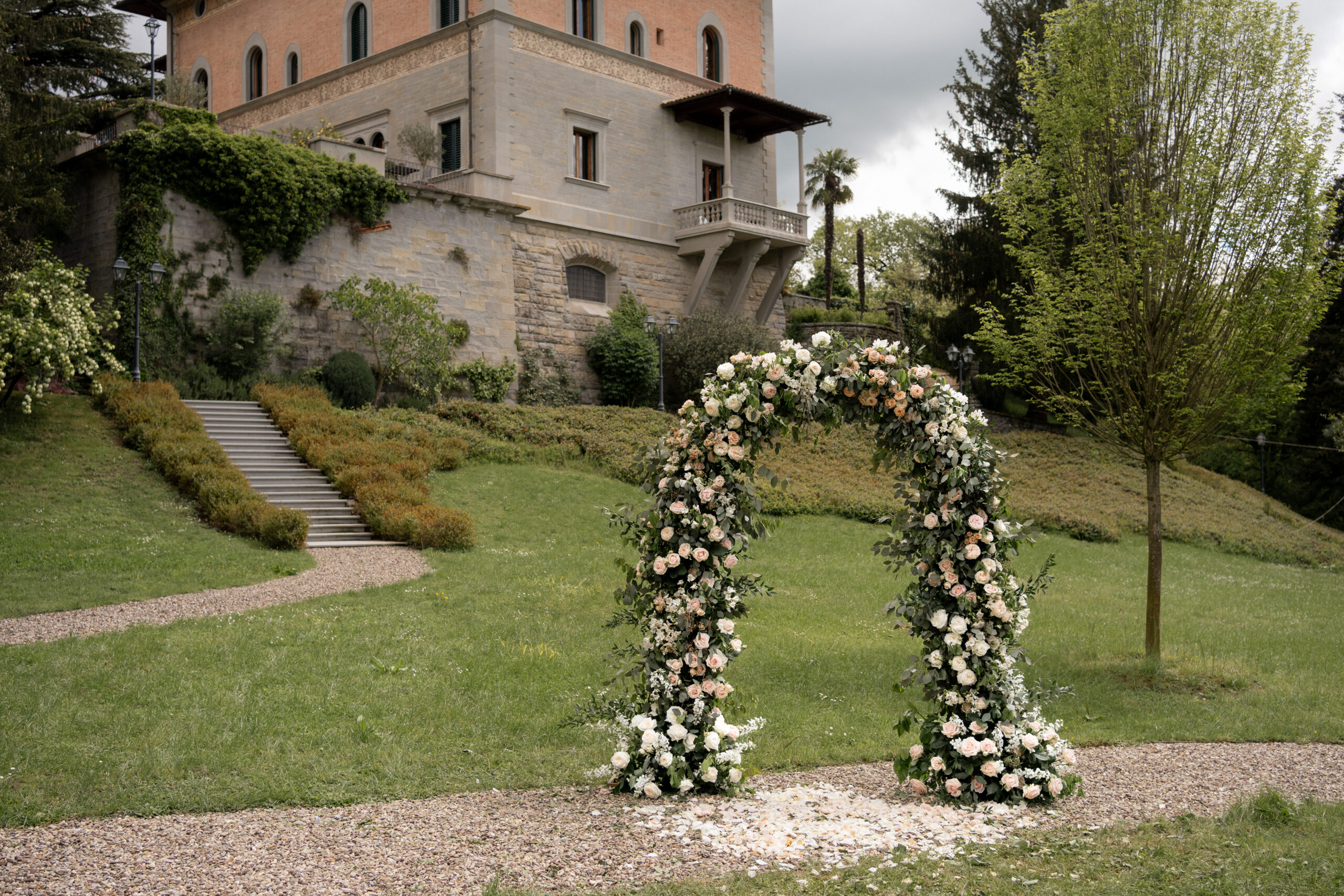
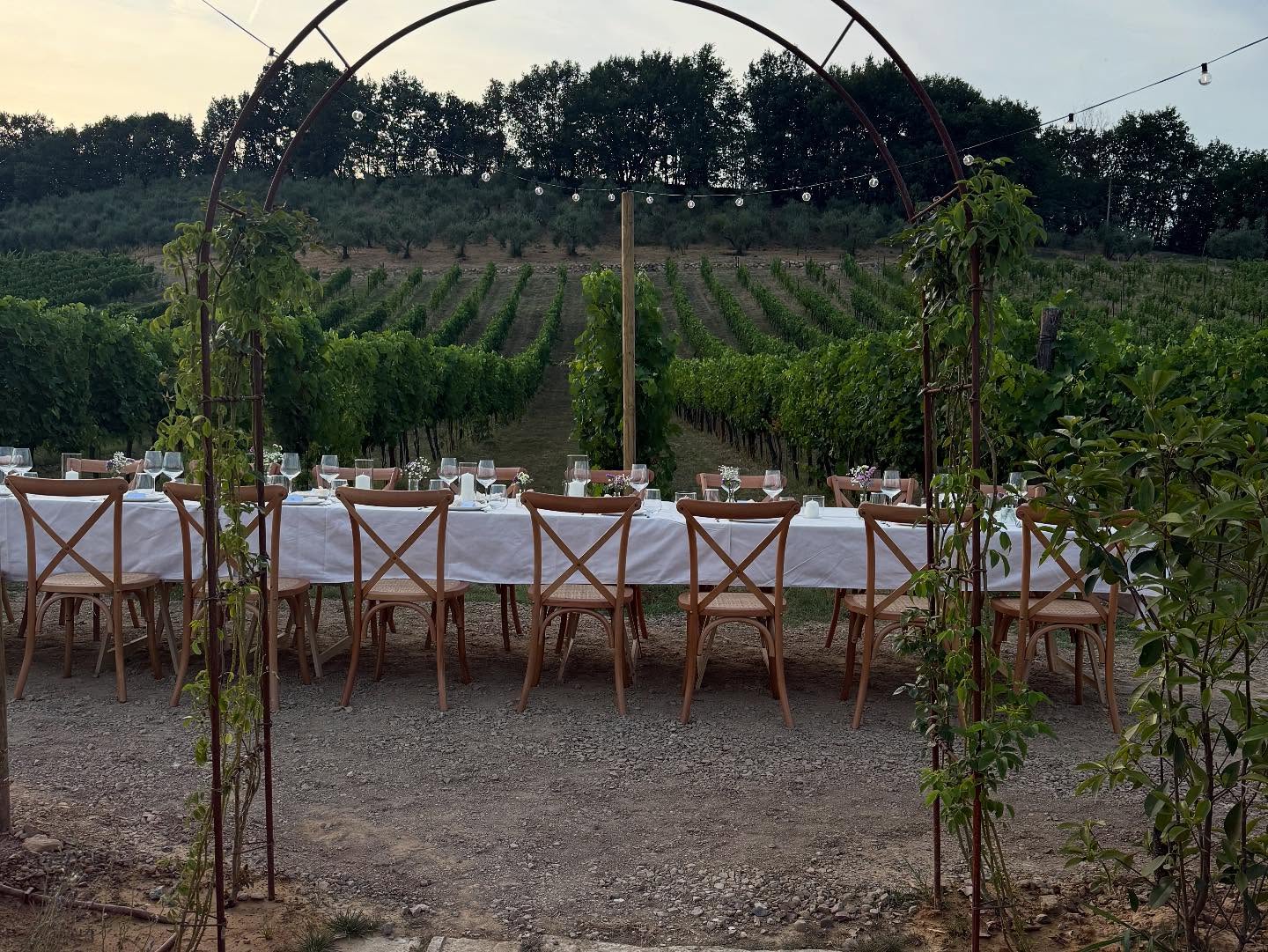
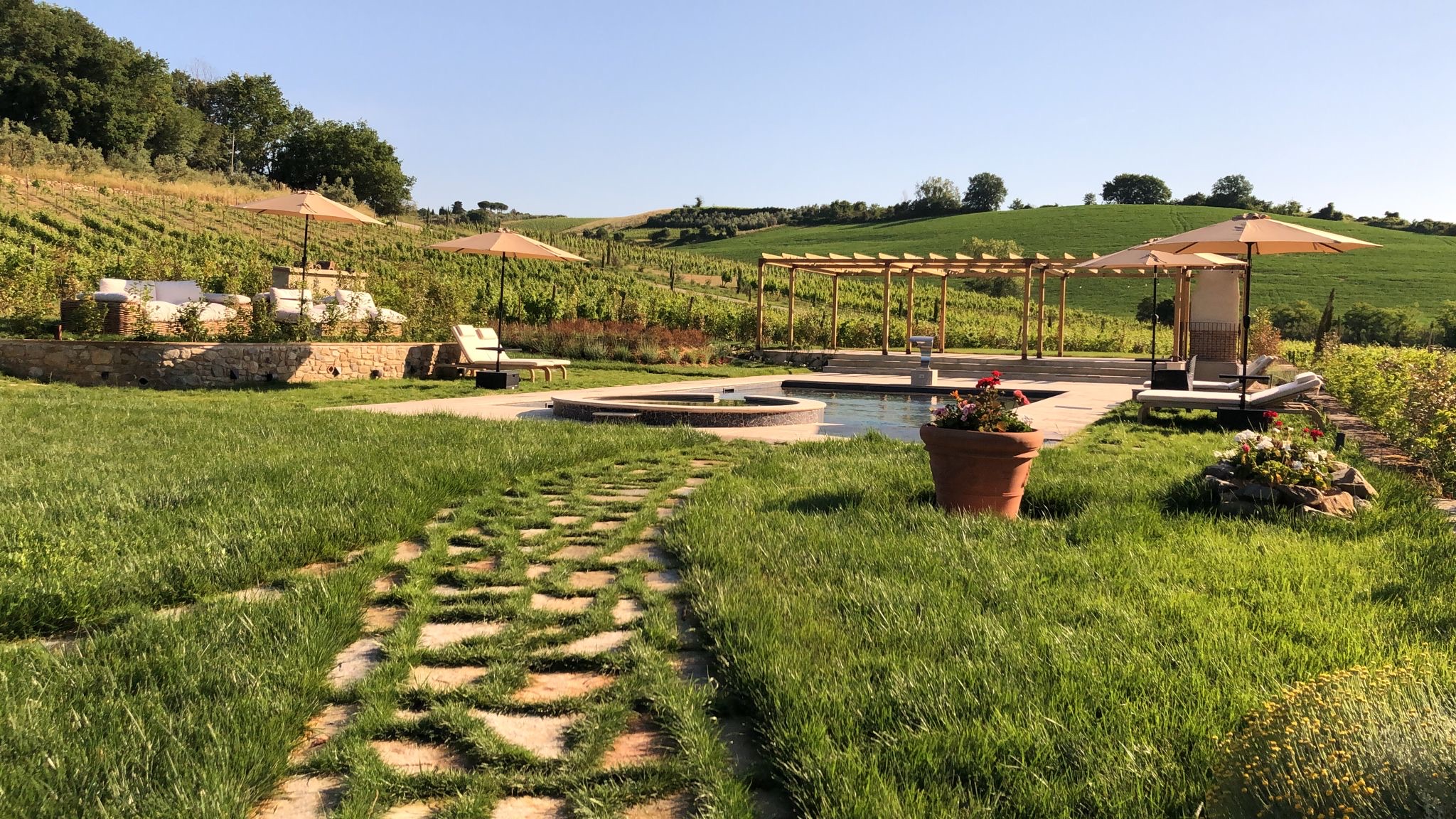
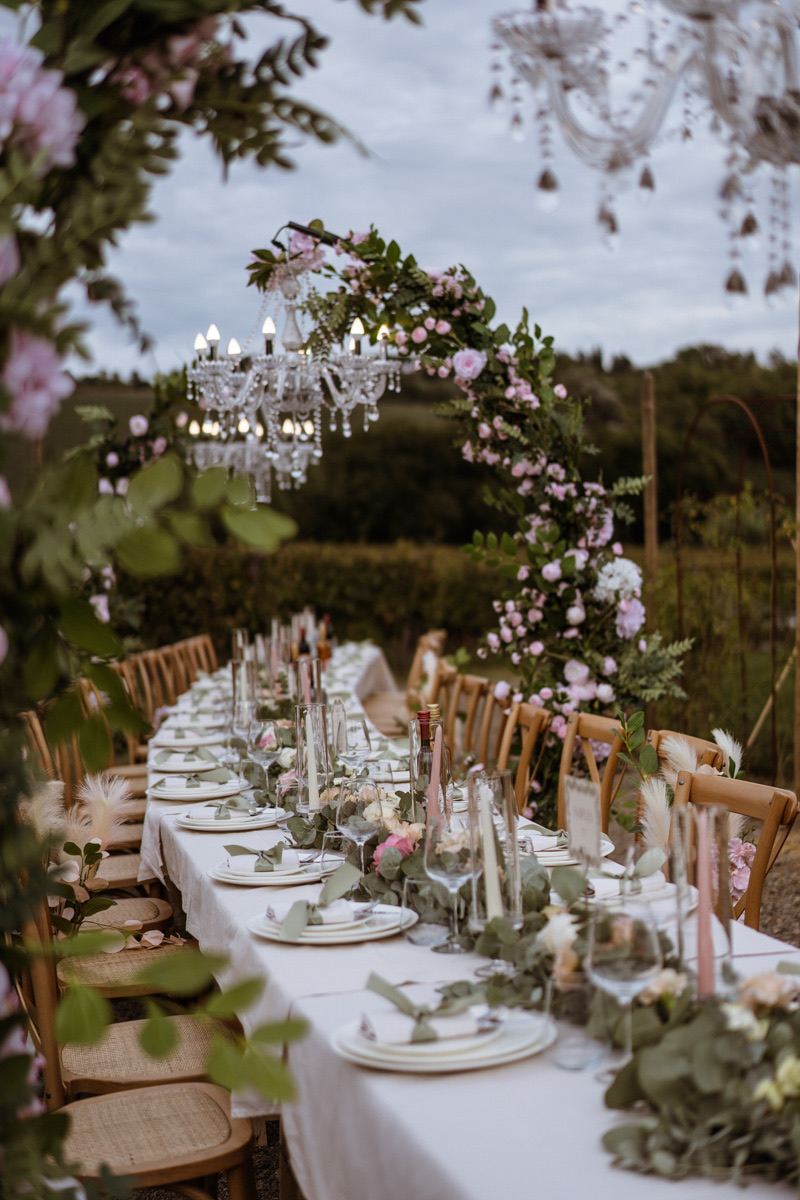
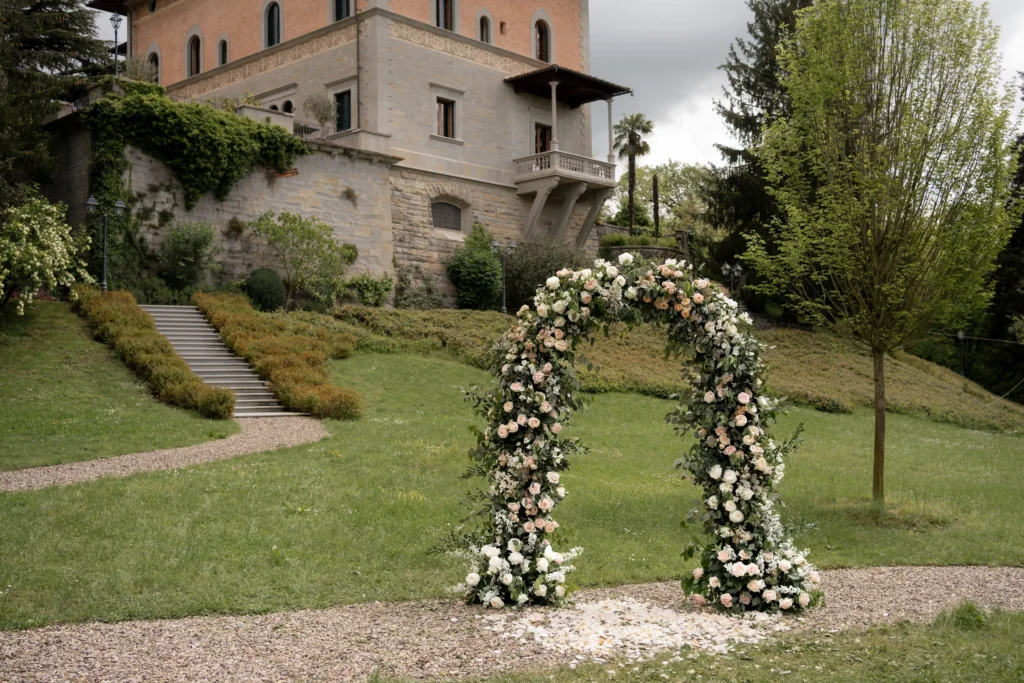
When planning your ceremony in one of these terraced gardens, consider the terrain. A perfectly placed floral arch can create a magical focal point, but ensure the ground is suitable for your guests and any structures.
Noise Restrictions & Party Flow
Despite the rural isolation, sound travels far in the valleys.
-
- The Rules: Italian law typically requires outdoor amplified music to stop by 23:00 or midnight, unless the property has a special permit.
- The Workaround: Look for villas with soundproofed indoor halls or a “Cantina” (wine cellar). This allows the after-party to continue until 02:00 or later without risking a visit from the police.
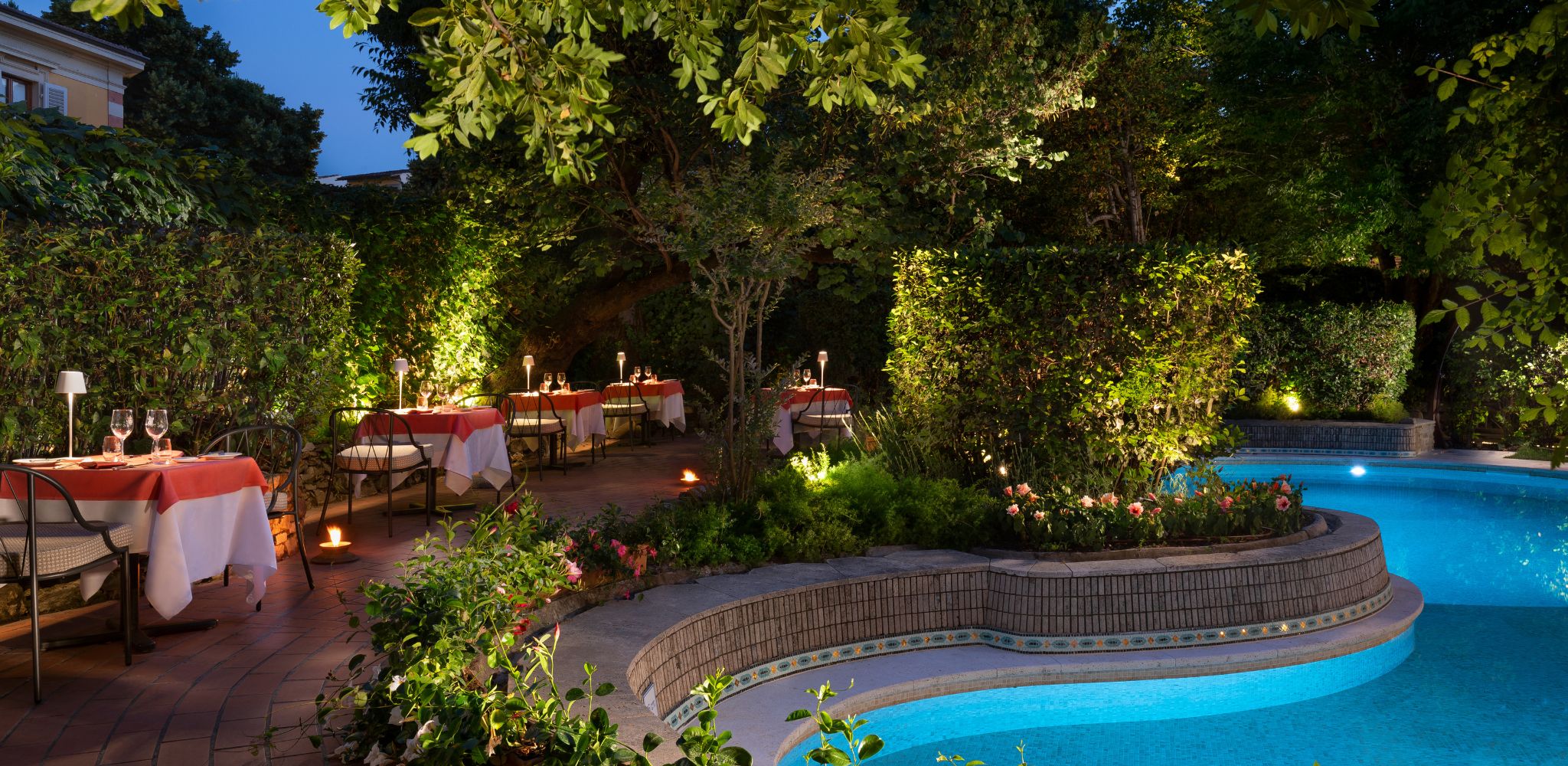
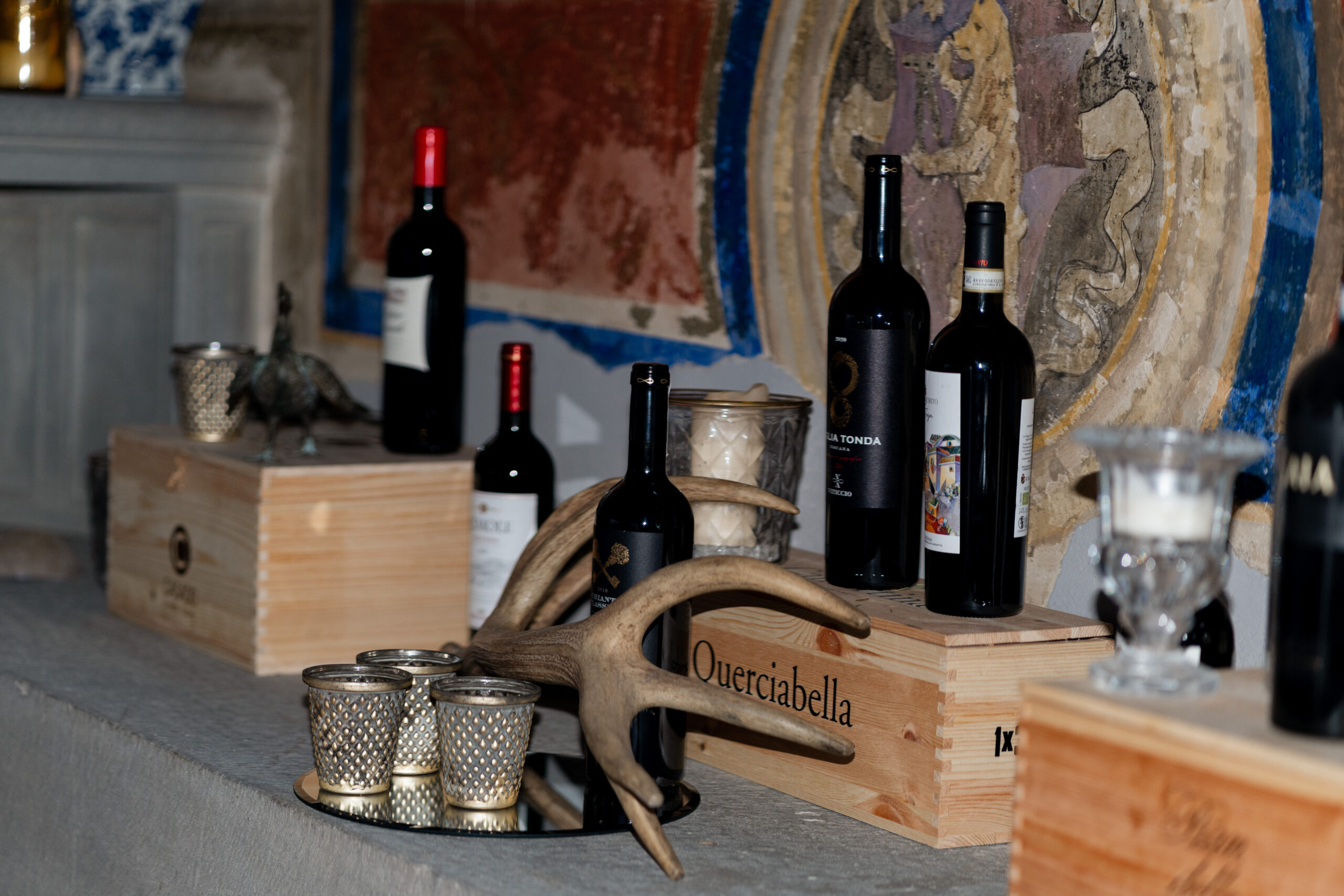
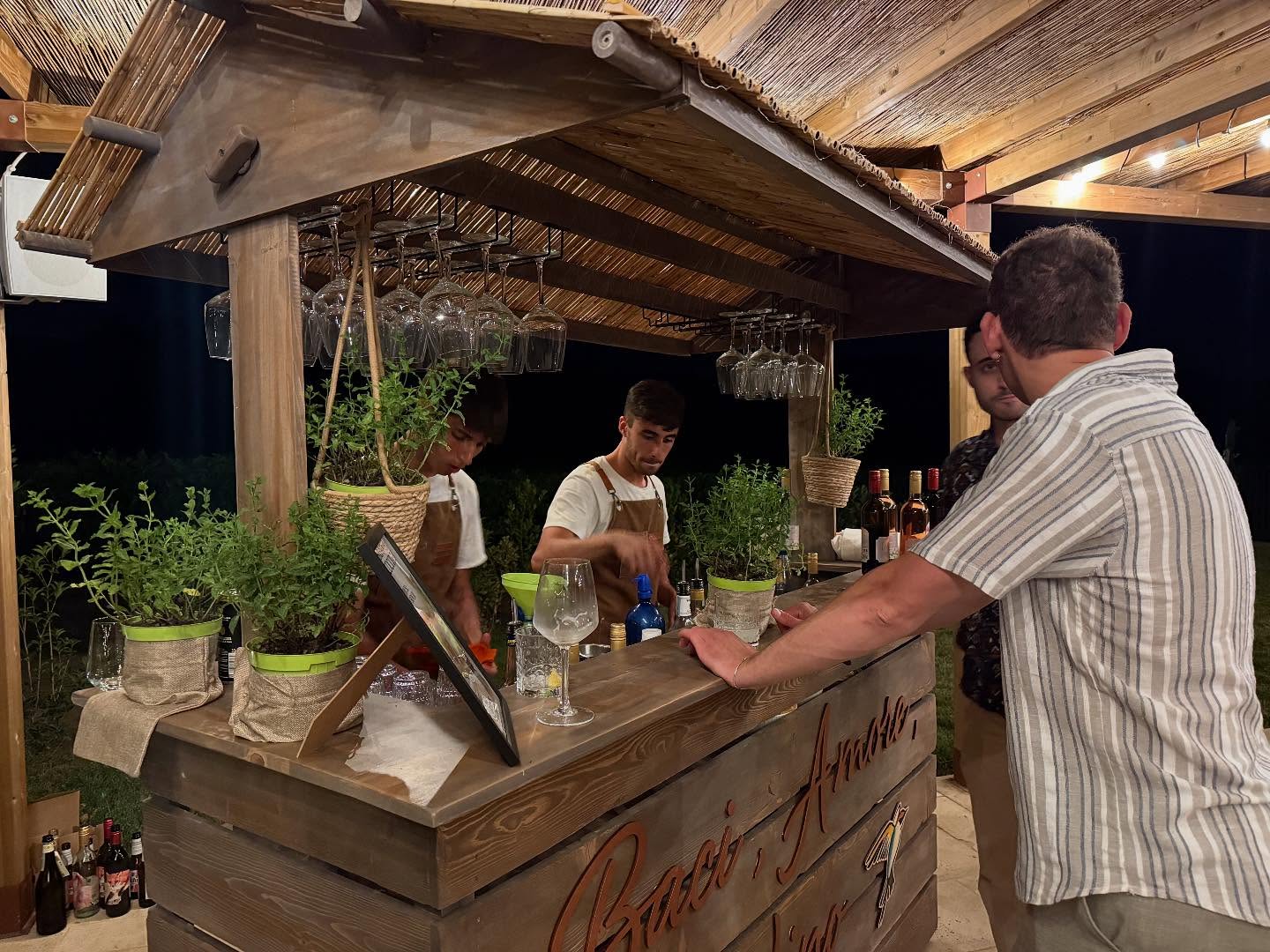
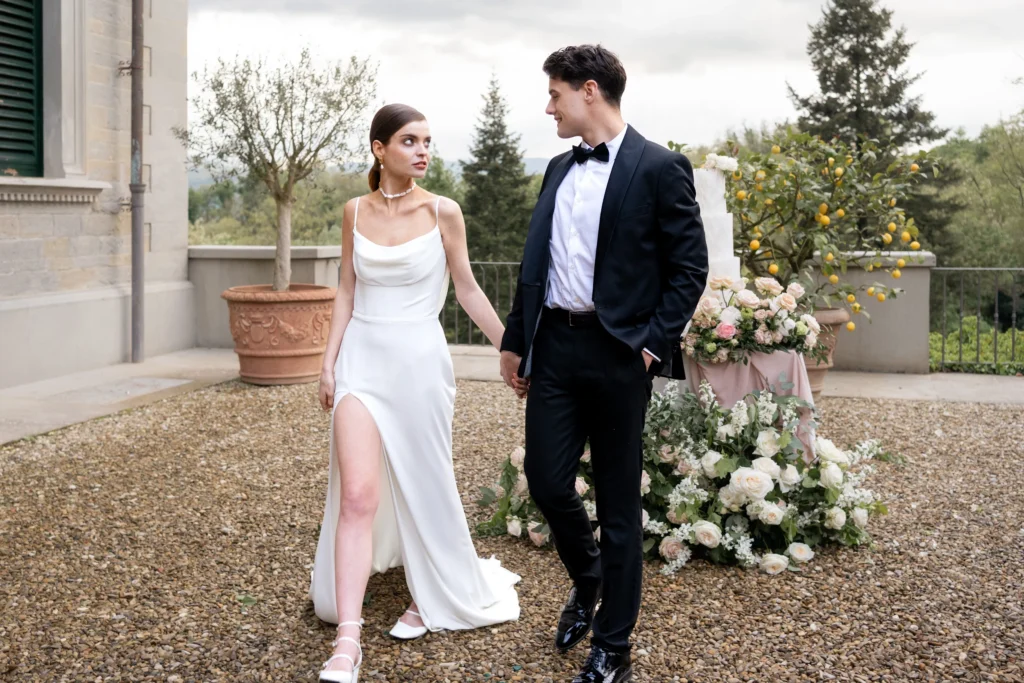
For the reception, utilizing the villa’s terraces can offer breathtaking views and a sophisticated atmosphere, as shown here with a beautifully appointed cocktail setup.
Guest Transport and Accommodation Radius
One of the greatest charms of an authentic Tuscany wedding location is its secluded, peaceful nature, often reached by a winding dirt road (a strada bianca). This brings up a vital question: where will your guests sleep?
If you are not booking Tuscany wedding venues with accommodation for your entire guest list, you will need to organize private transport. Keep in mind that large 50-seater coaches cannot navigate narrow country roads. Instead, planners use fleets of nimble 8-to-19-seater minivans. To keep logistics smooth and affordable, ensure your guests book their hotels within a 20-30 minute radius of your chosen villa.
Villa vs. Castle: A Quick Comparison
While a villa offers unmatched intimacy, it differs from historic castles. Castles often boast thicker defensive walls (excellent for sound insulation) and grander internal halls perfect for rainy days. Conversely, a Tuscan villa is often more accessible than lakeside venues, eliminating the need for water taxis, though you should be prepared for access via strade bianche (unpaved gravel roads).
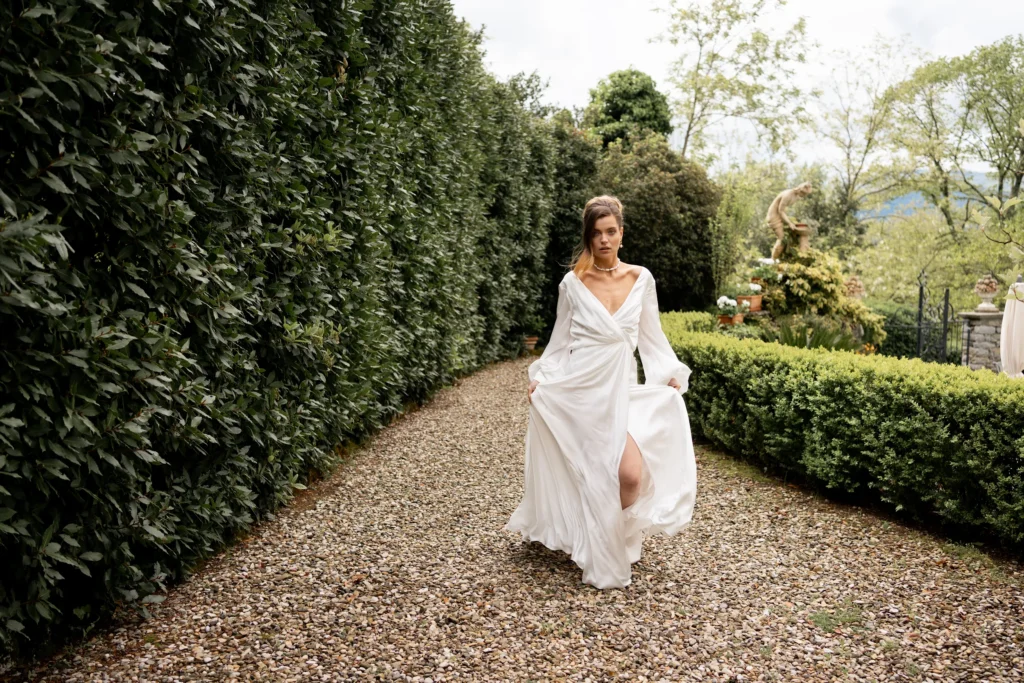
Ultimately, a villa wedding is about the freedom to create a joyful, personalized experience in a stunning natural setting, where you can freely enjoy the grounds.
Frequently Asked Questions
What is the average cost to rent a wedding villa in Tuscany?
For a high-end property sleeping 20 people for 3 nights, expect to invest between €15,000 and €30,000. Mid-range agriturismos are generally available for €8,000–€12,000 for the same period.
Do villas require us to use their internal catering?
Most private villas allow “external catering,” giving you the freedom to choose your own food vendors. However, be aware of the “Kitchen Use Fee” (€500–€1,000), which covers utility usage and wear and tear by the catering team.
Is a wedding planner necessary for a villa wedding?
Yes. Unlike a hotel with an in-house event manager, a villa rental is often a “dry hire” (essentially just a key handover). You need a planner to manage the complex load-in of tables, chairs, lighting, and generators, which are rarely included in the rental price.
How early should we book?
Tuscany is Italy’s most popular wedding region. Prime weekends (June and September) for top-tier villas are typically booked 18–24 months in advance.