

The selection of a venue is the foundational decision that dictates the logistical framework of your entire event. Unlike domestic weddings where aesthetics often lead the decision-making process, a destination wedding in Italy requires a rigorous analysis of capacity, accommodation ratios, and accessibility.
When getting married abroad, the venue is not merely a backdrop; it is the operational hub for your guests over a multi-day experience. The planning process must prioritize functional parameters—such as the availability of exclusive use, the feasibility of a plan B option for rain, and strict adherence to noise ordinances—over pure visual appeal. Whether you are coordinating a three-day event in Italy or a single-day ceremony, the architectural typology of the venue will determine your budget allocation and vendor selection.
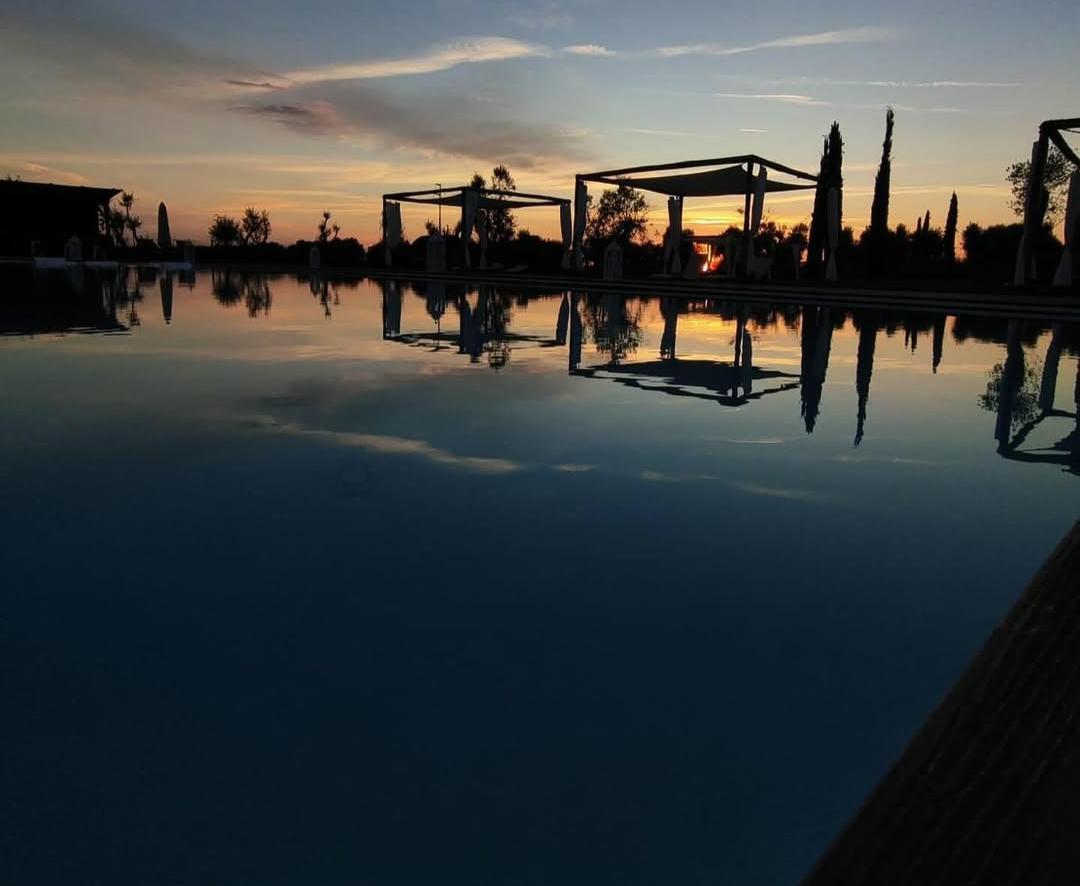
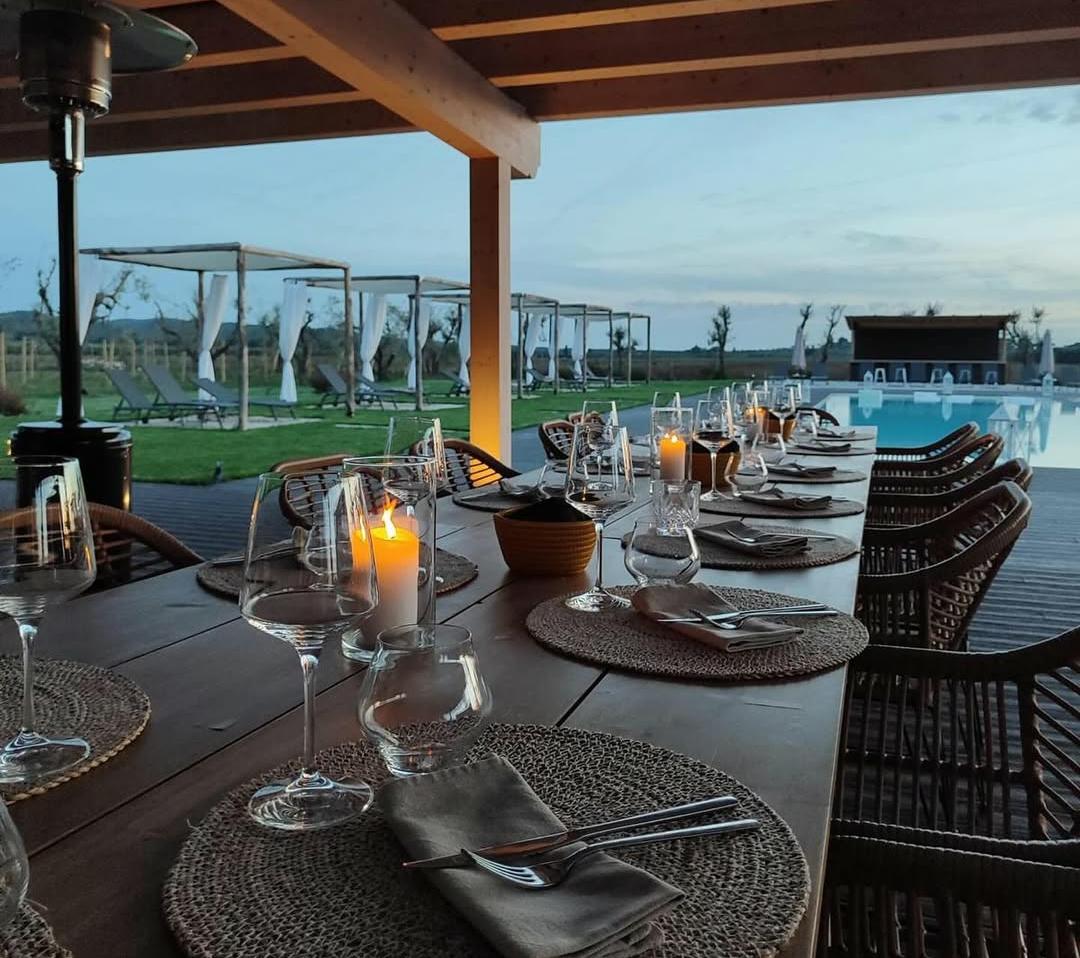
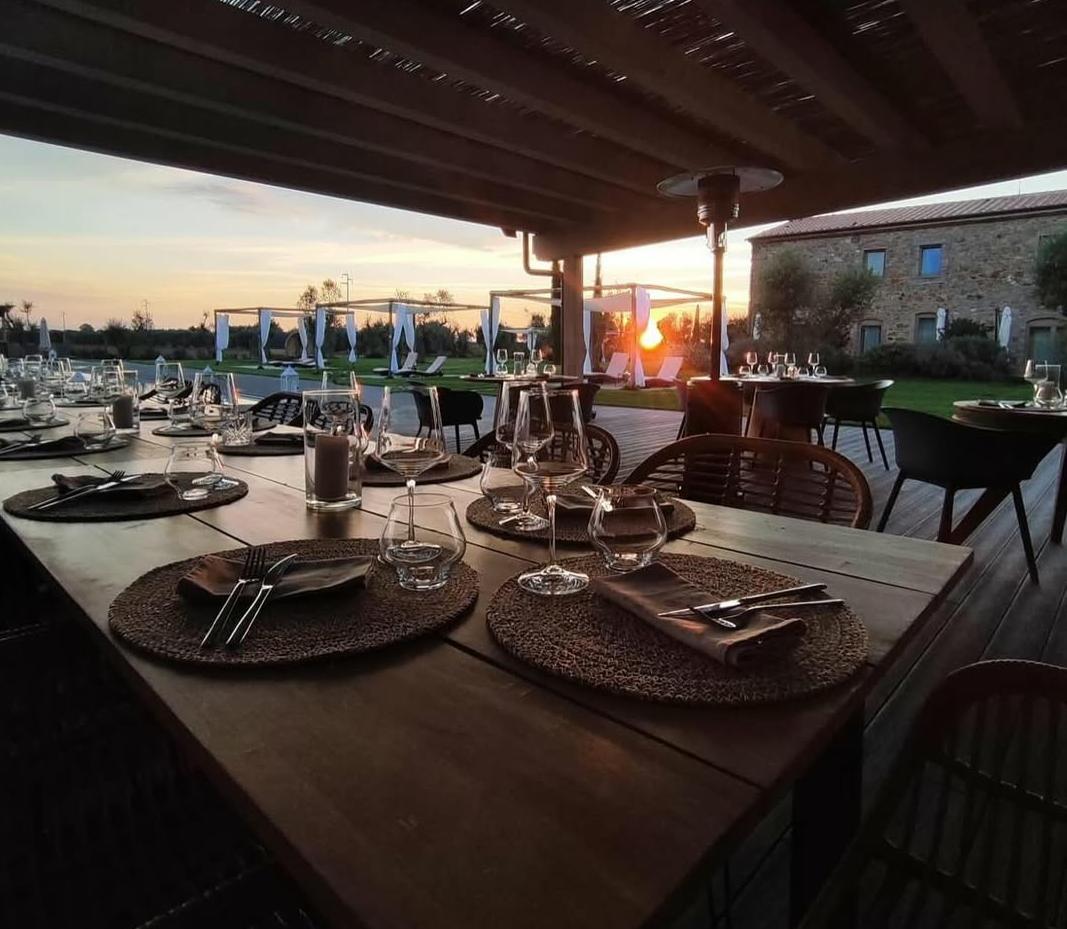
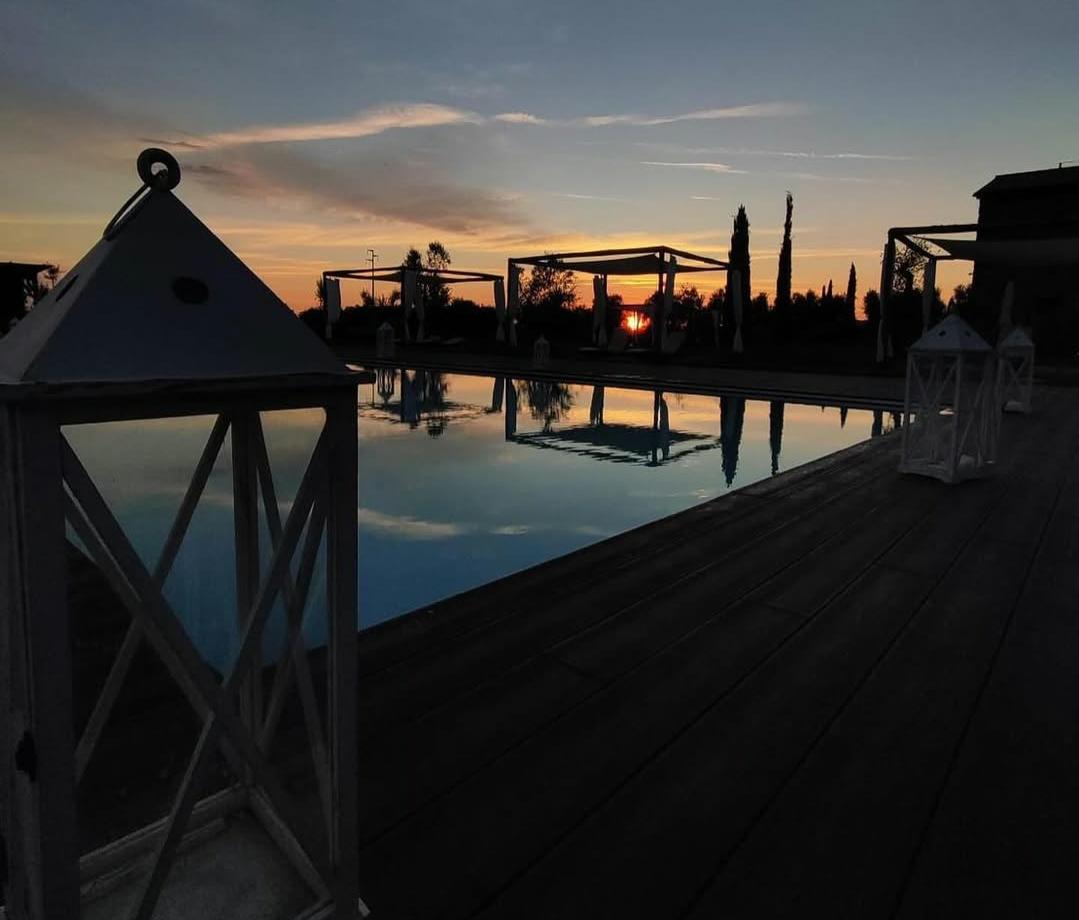
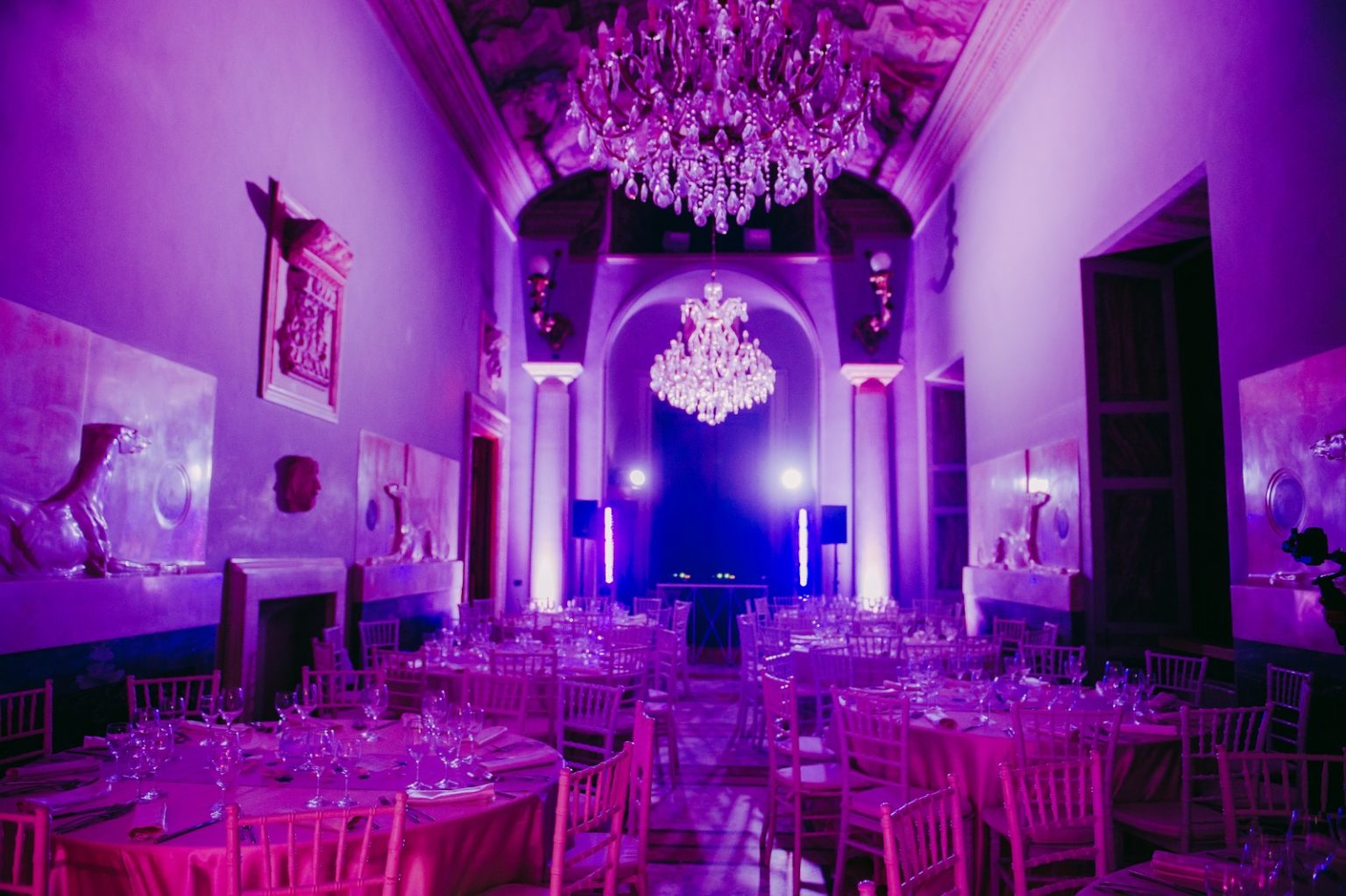
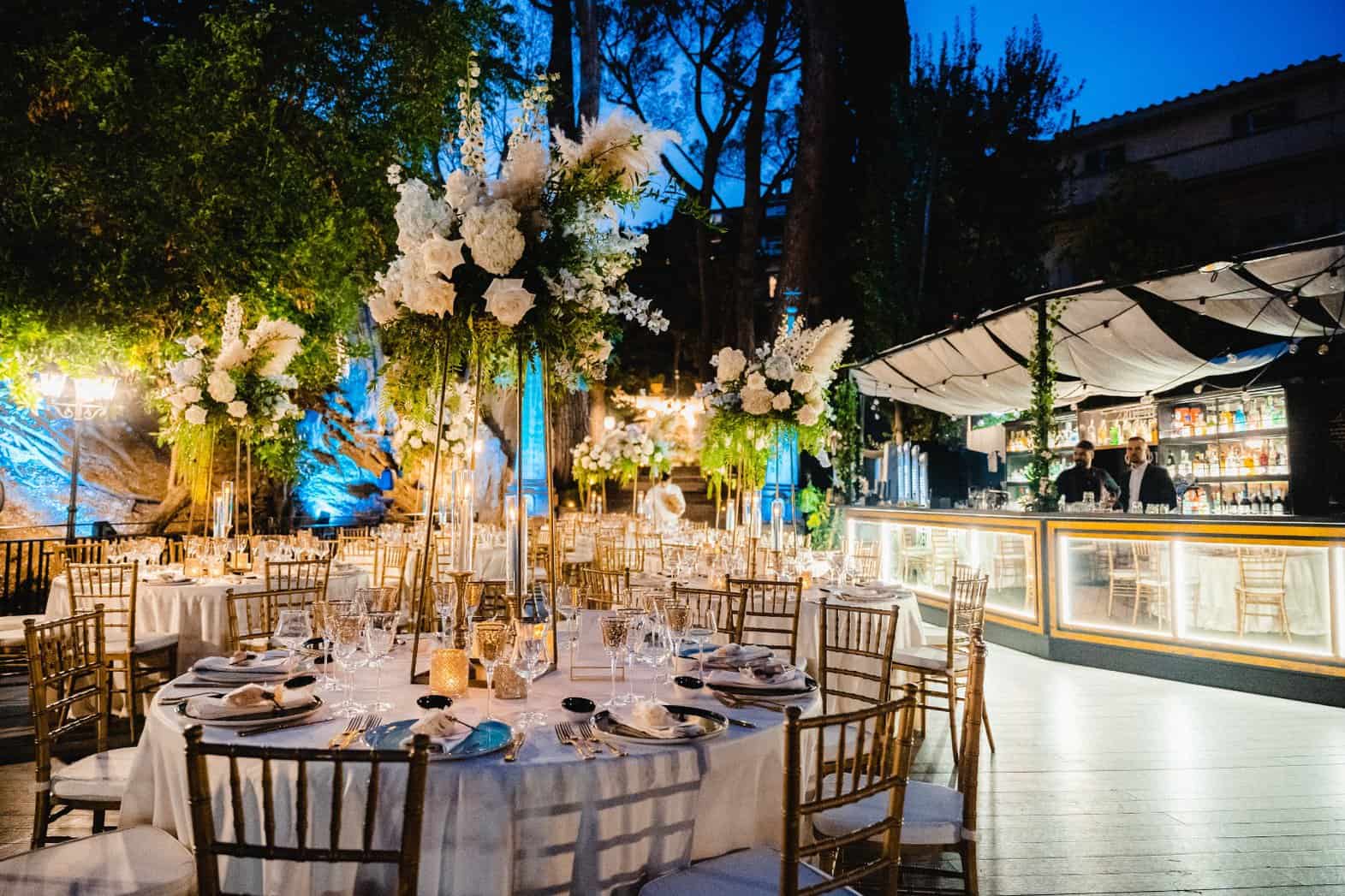
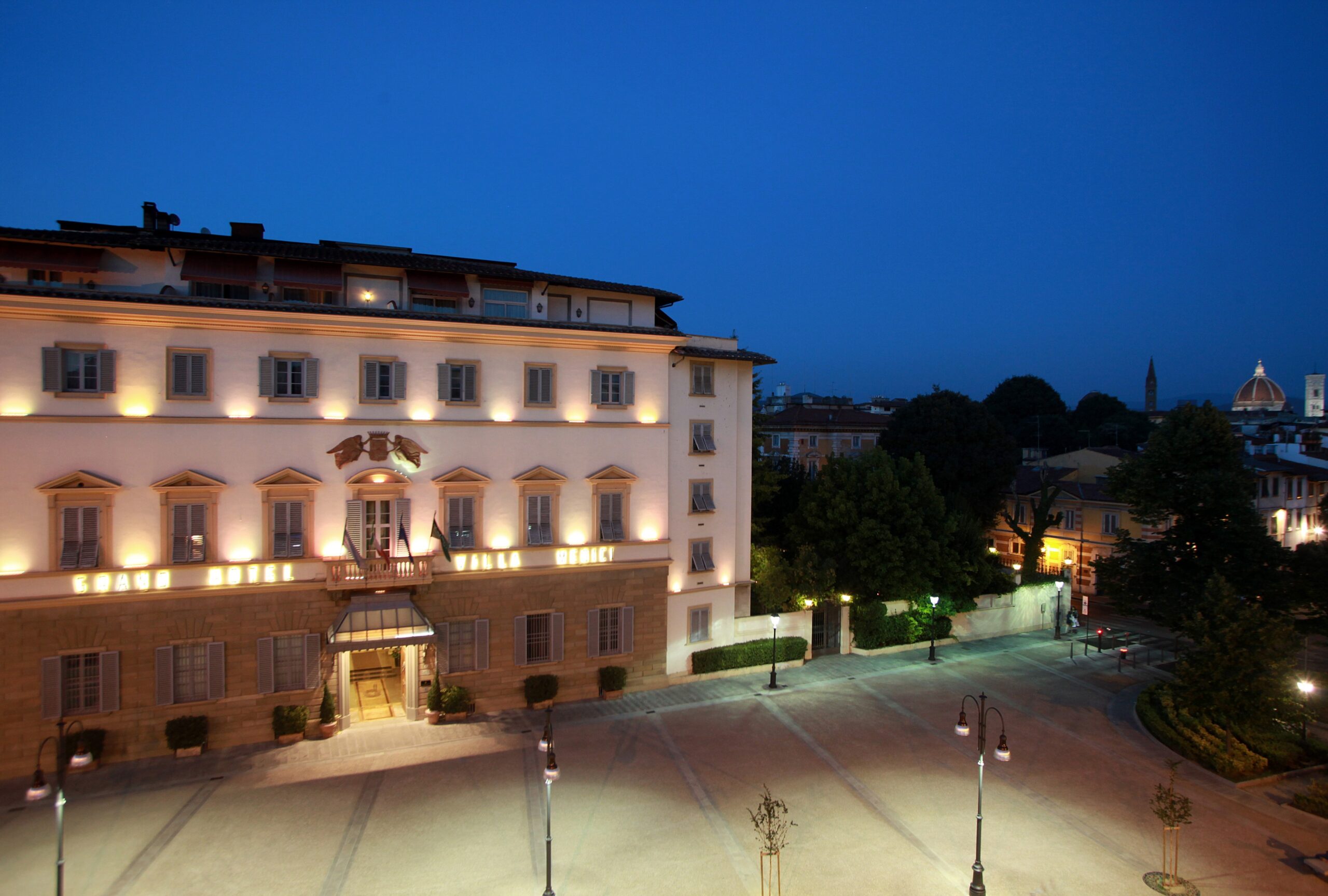
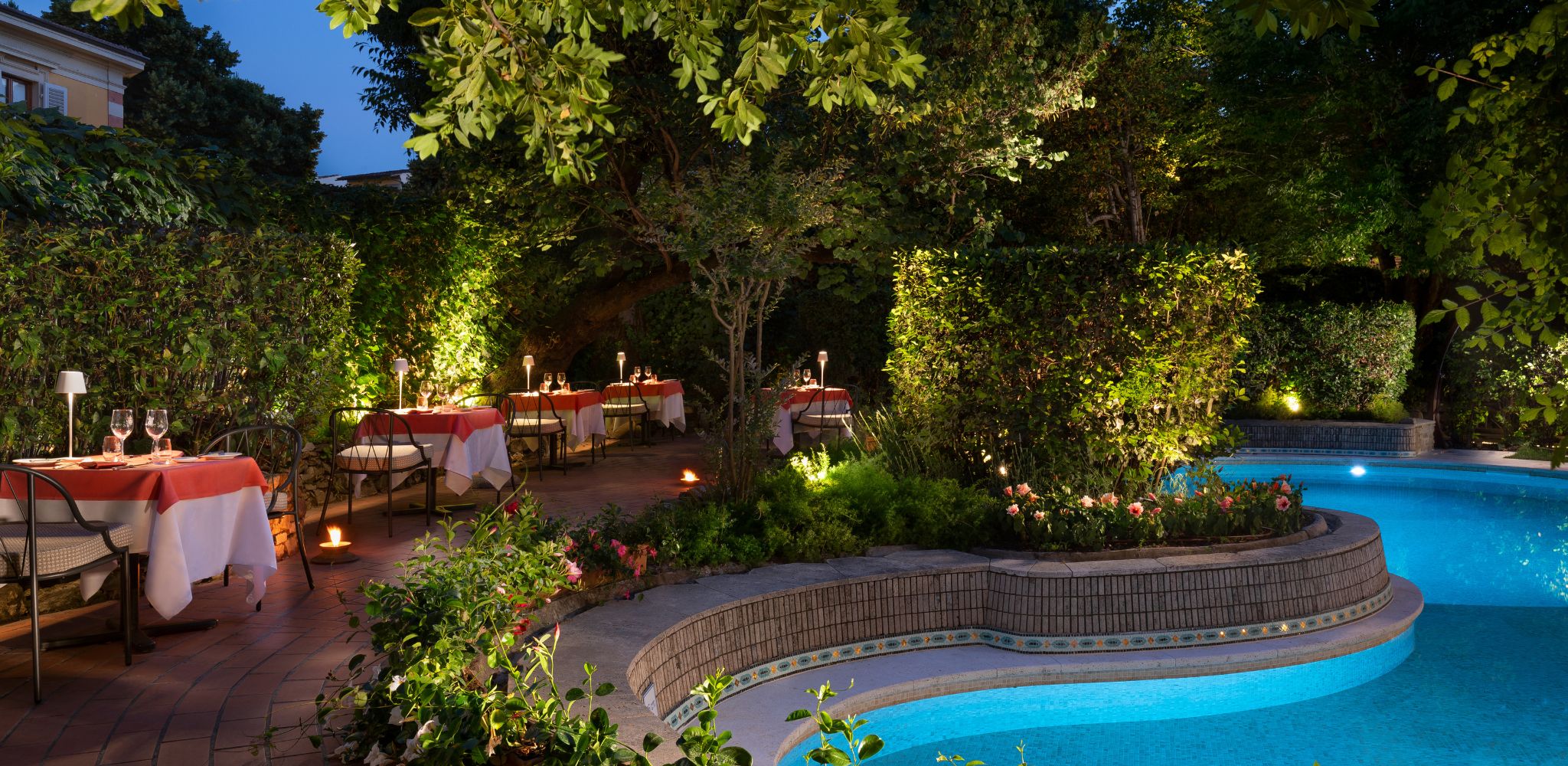
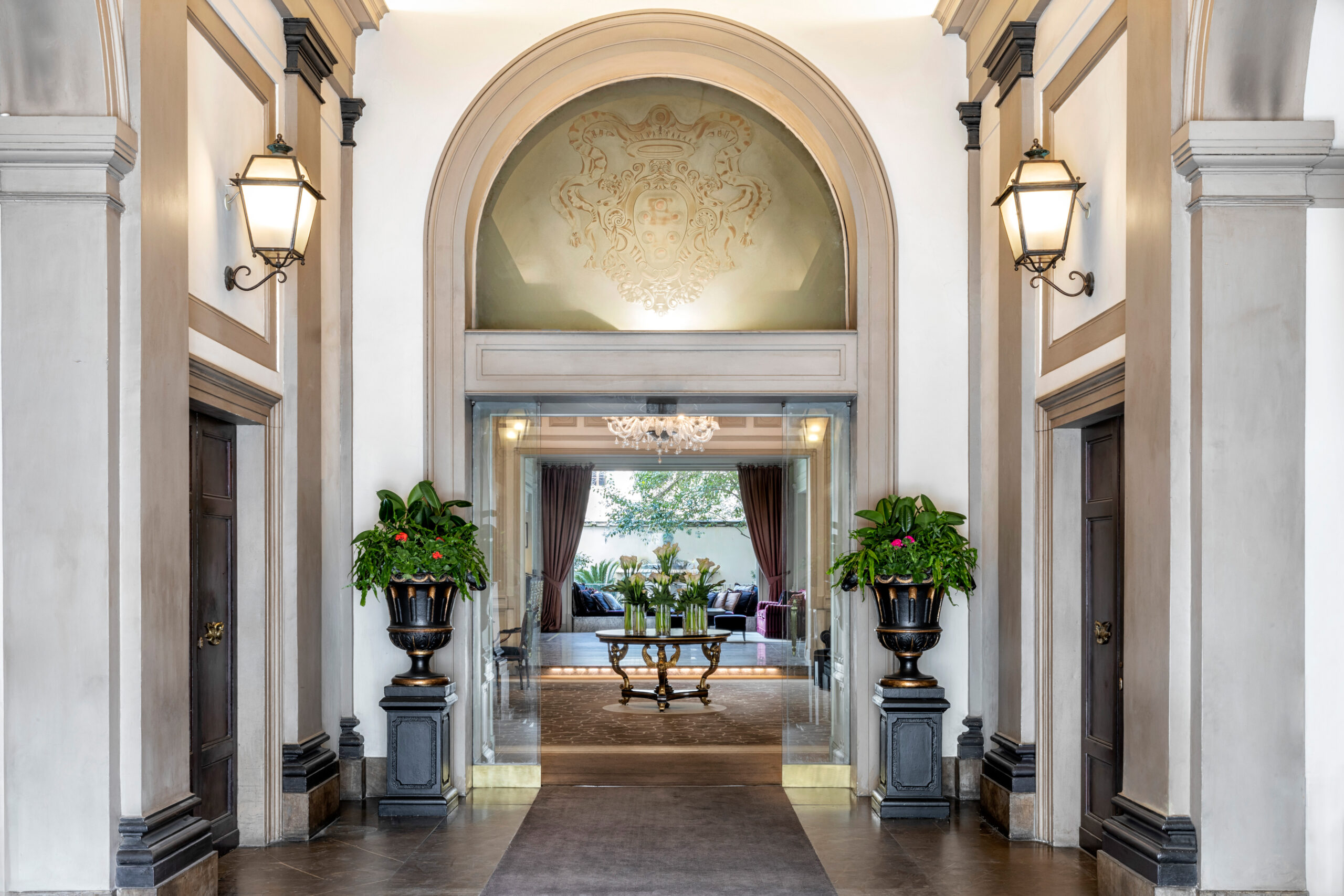
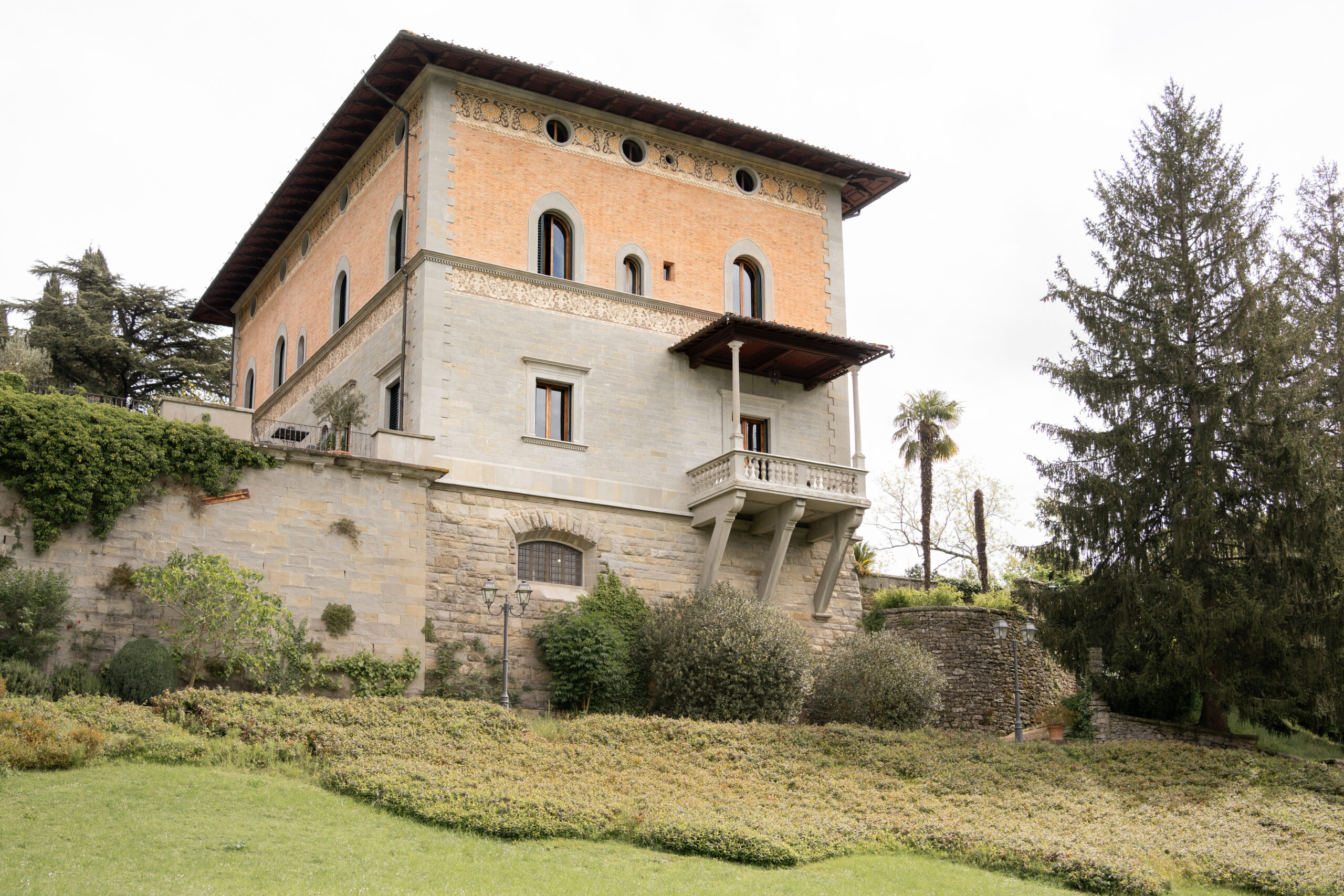
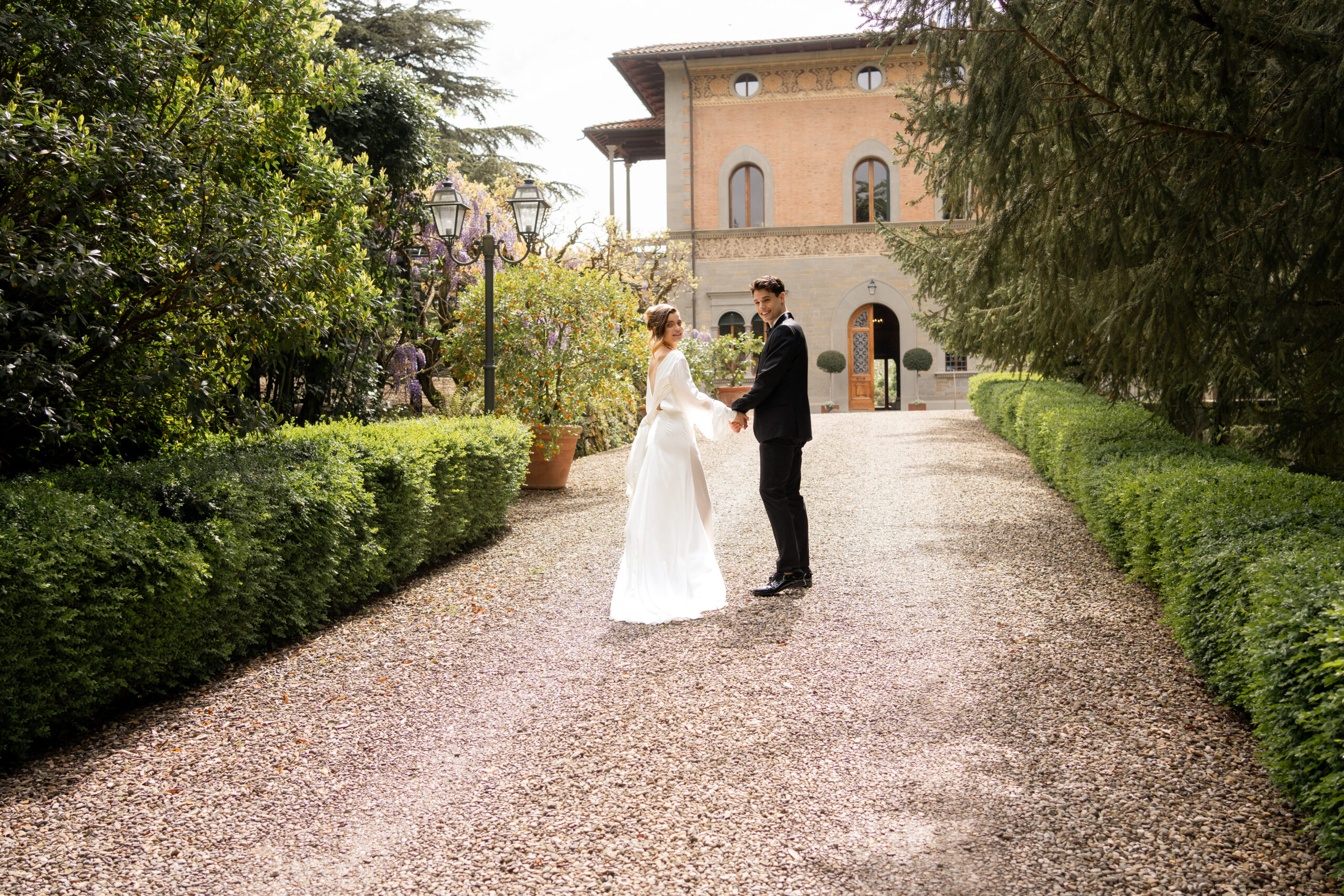
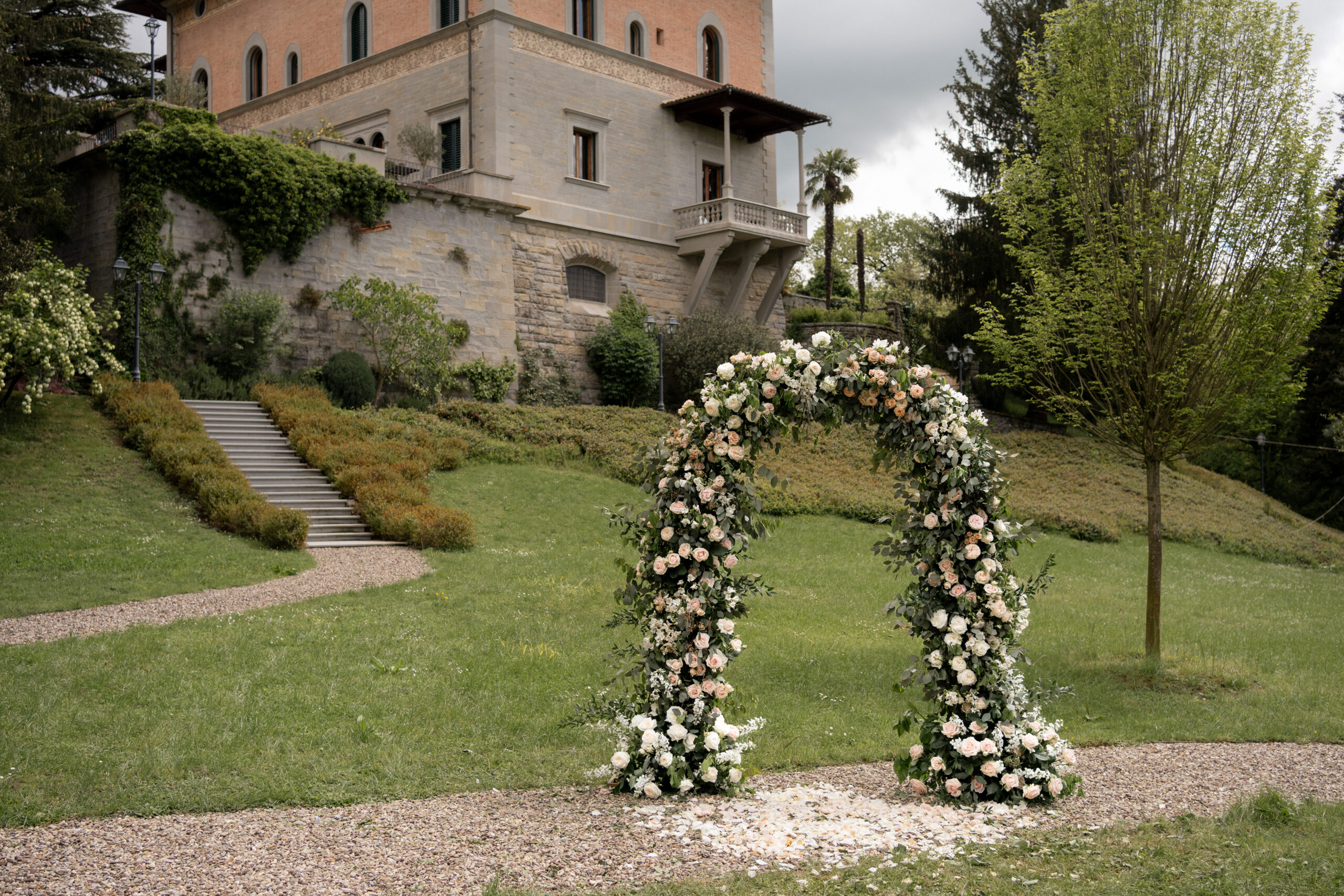
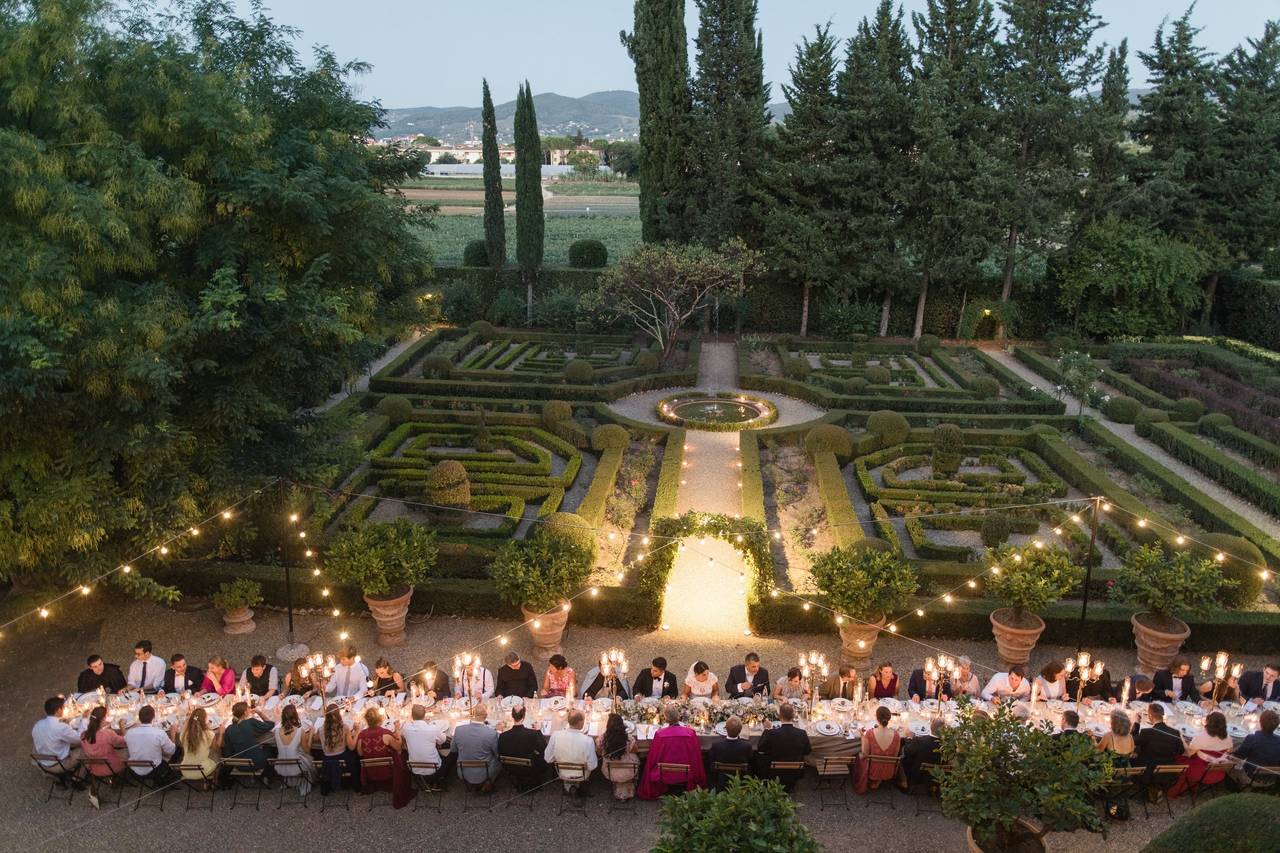
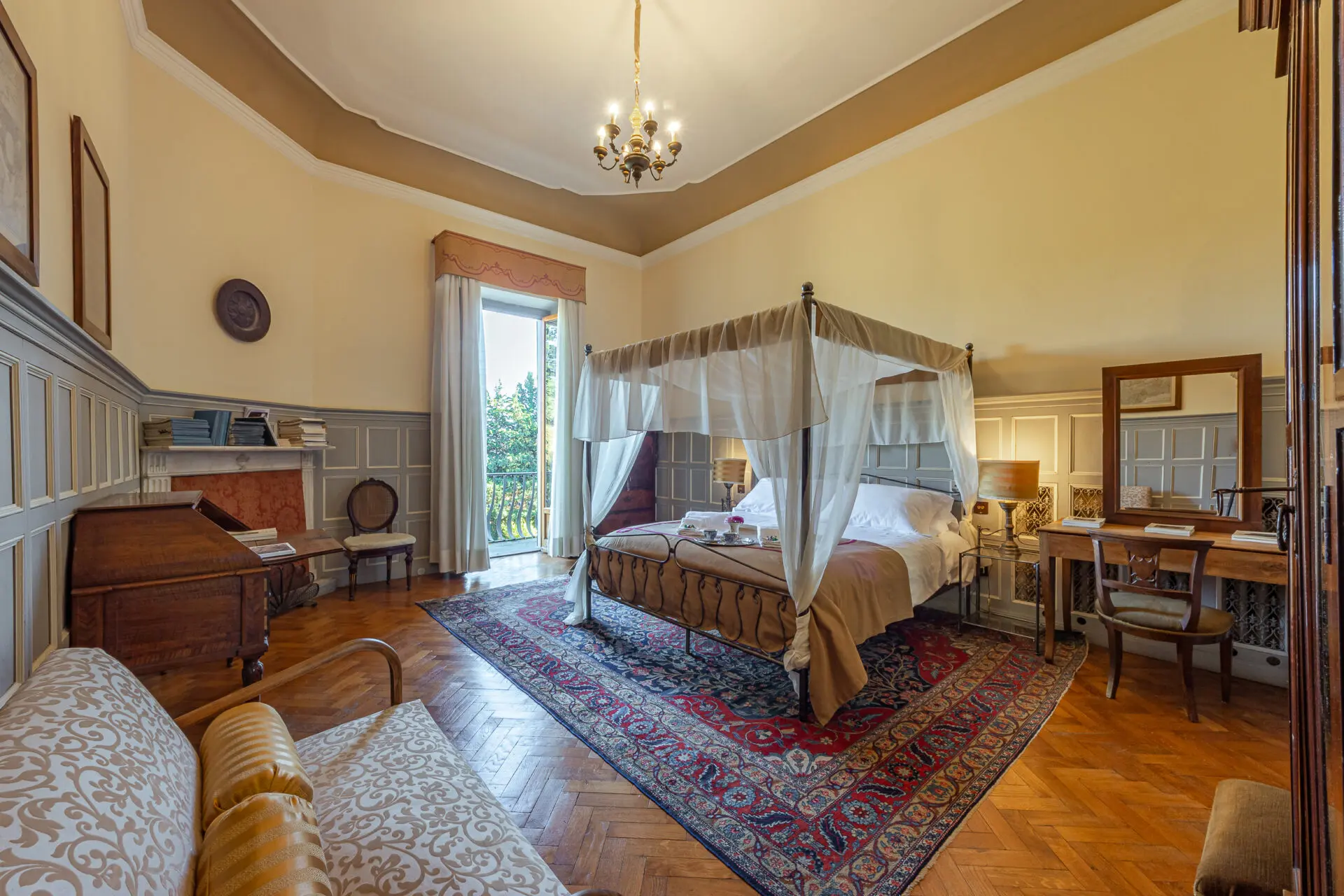
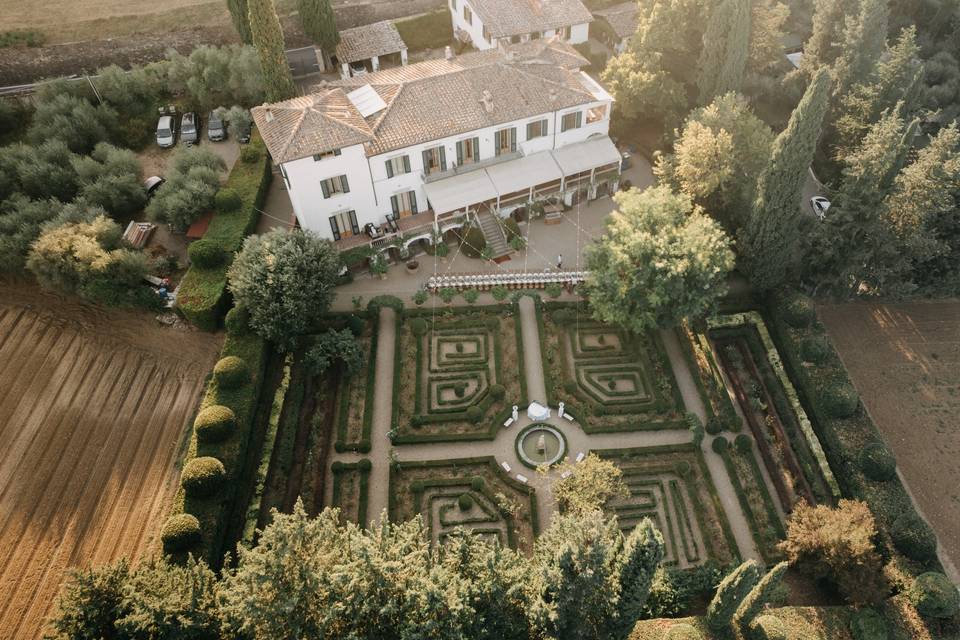
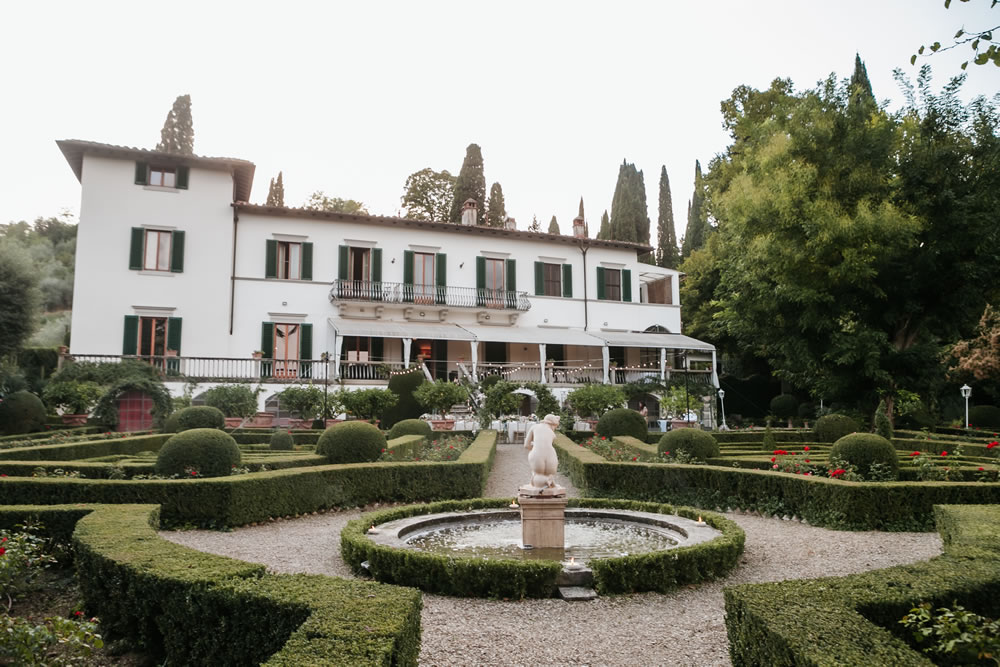
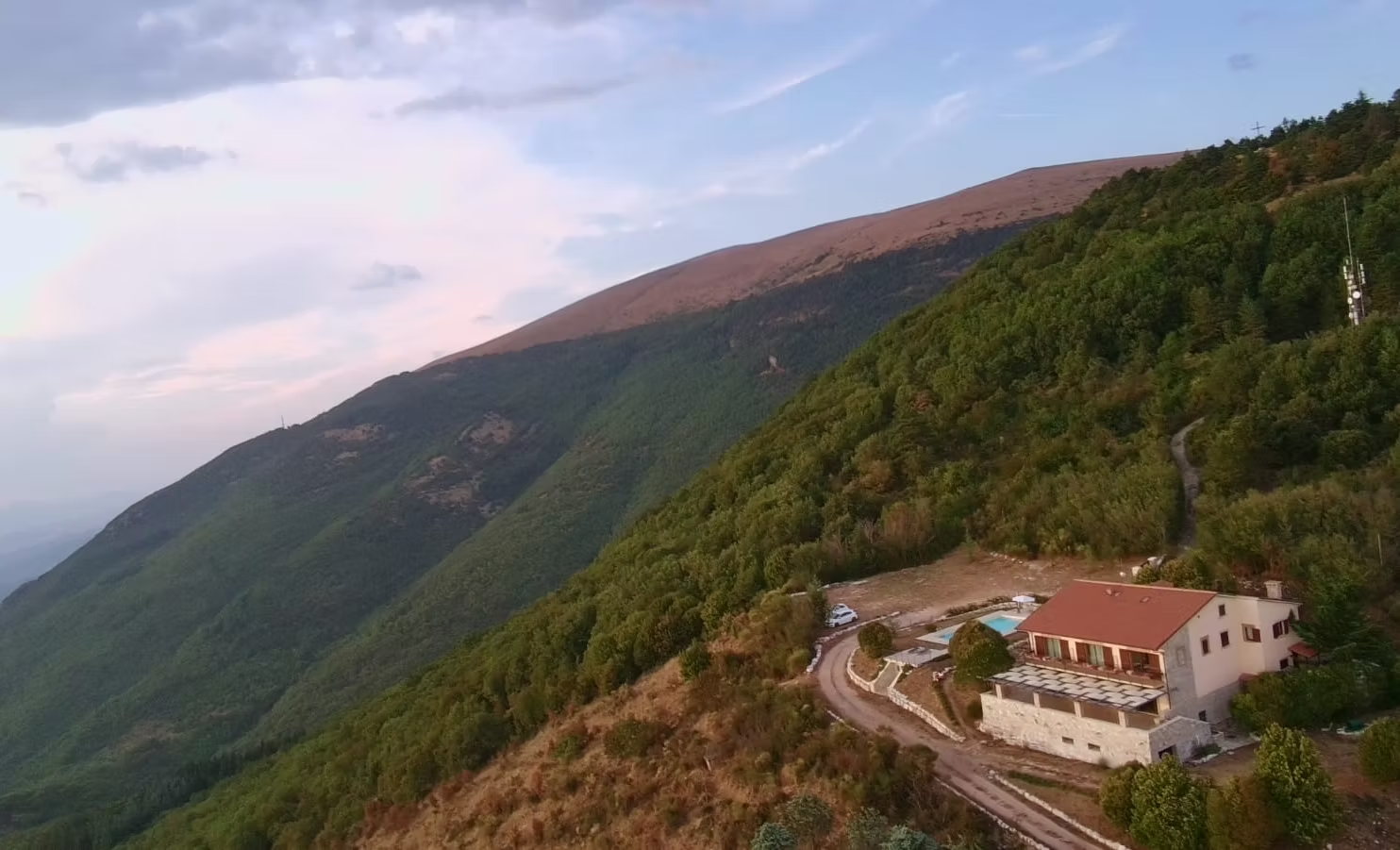
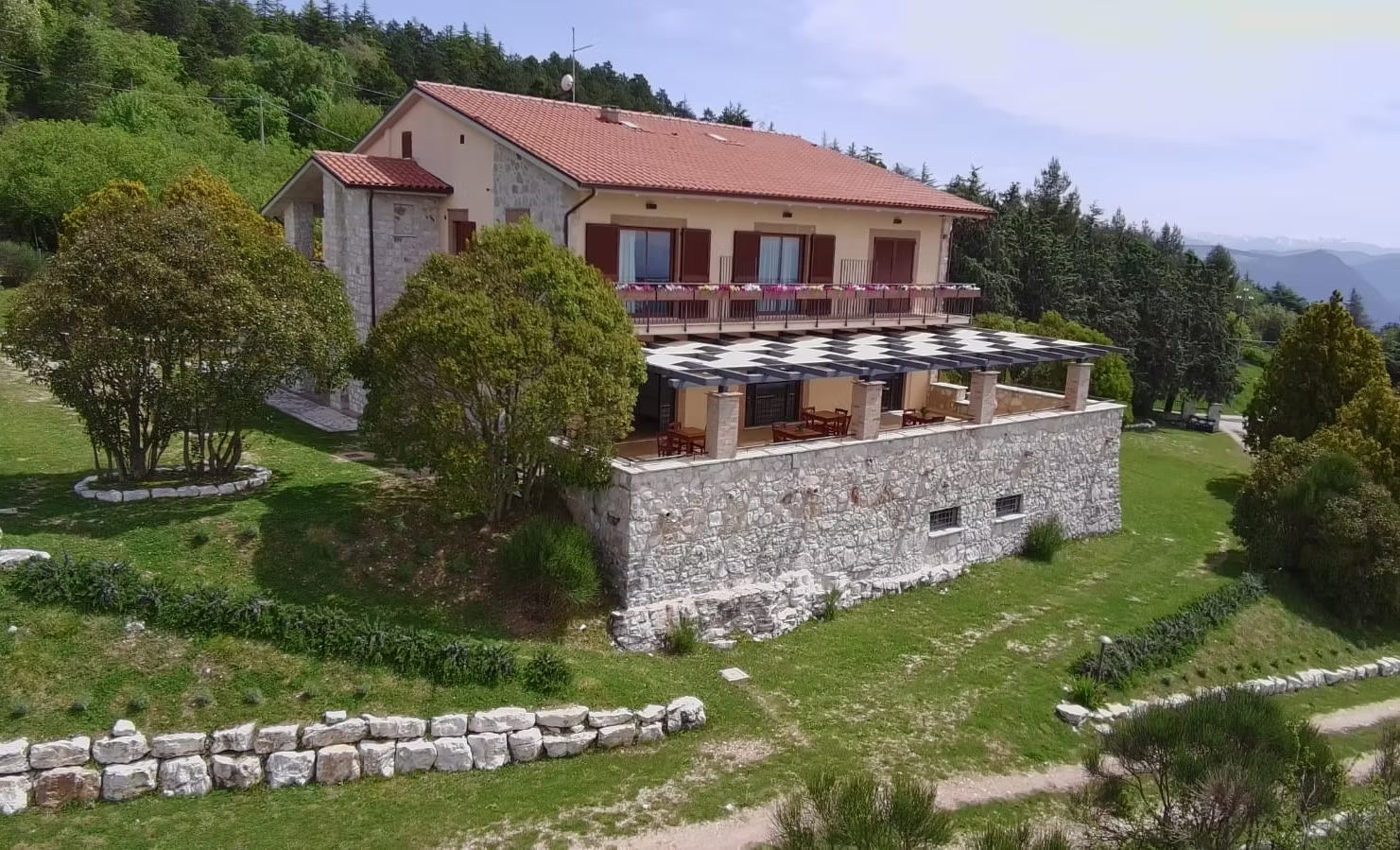
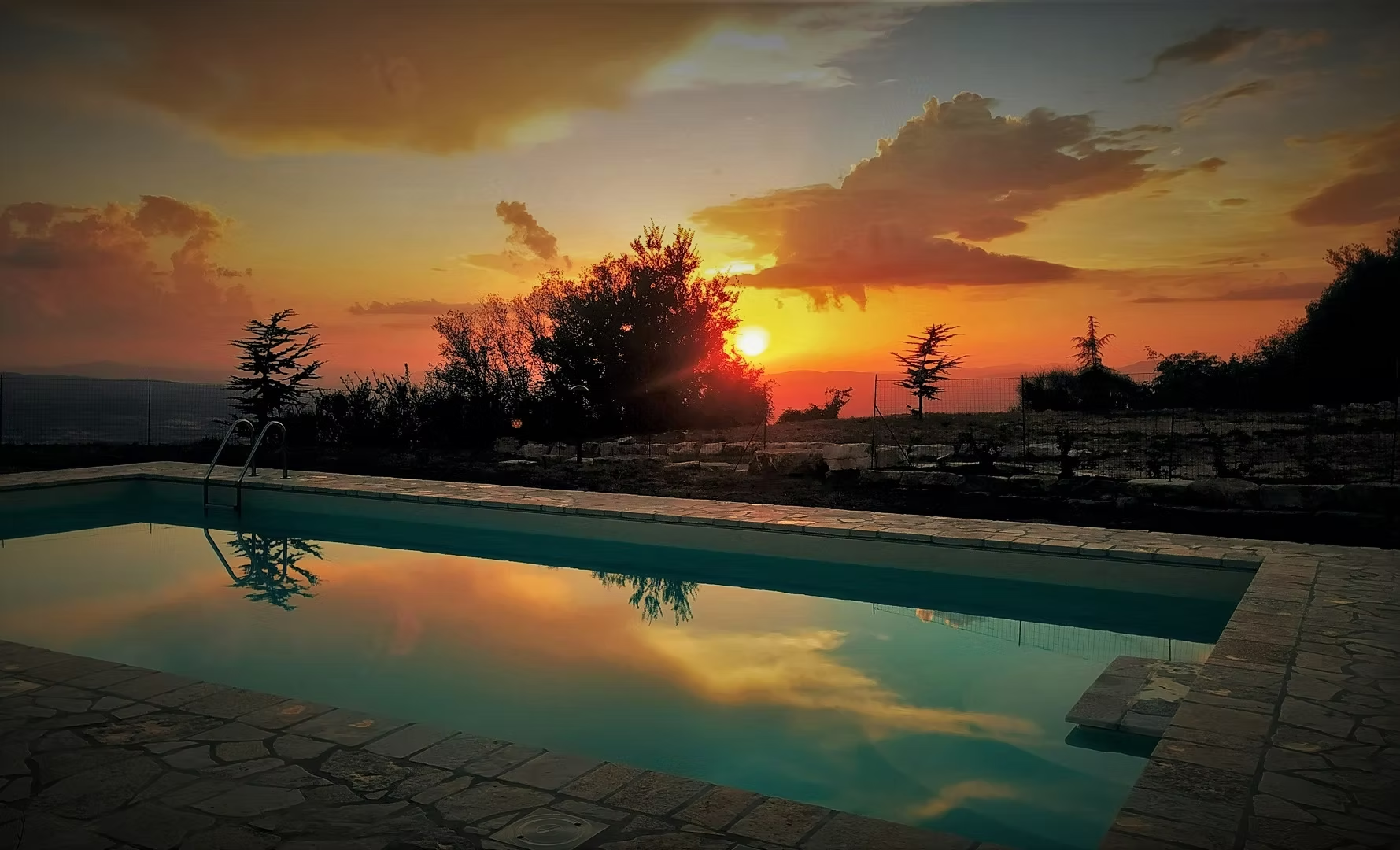
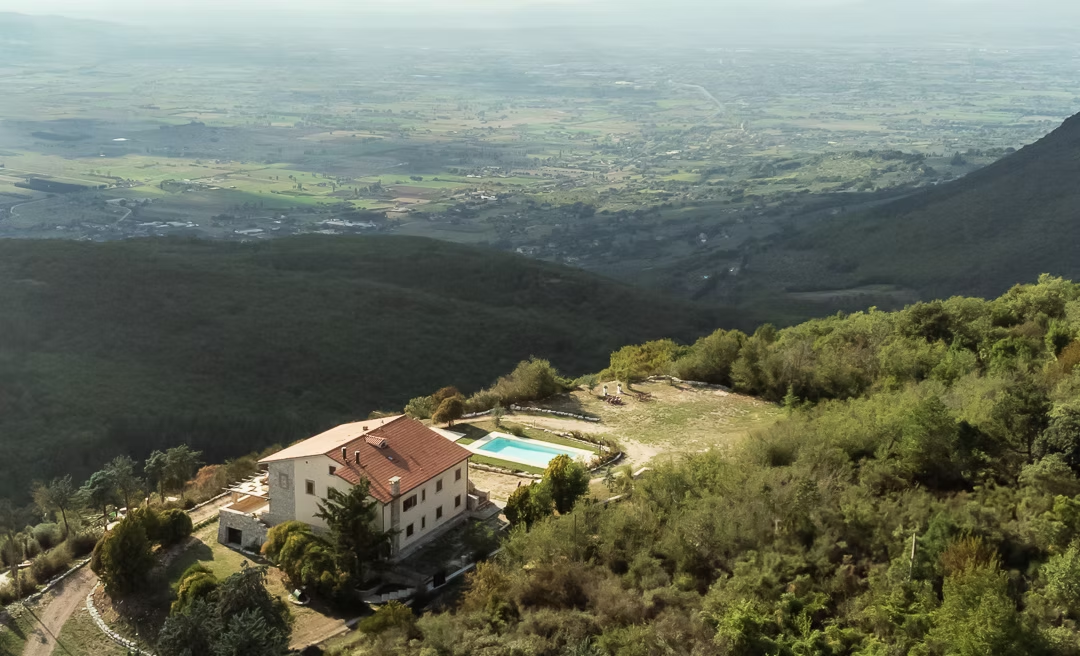
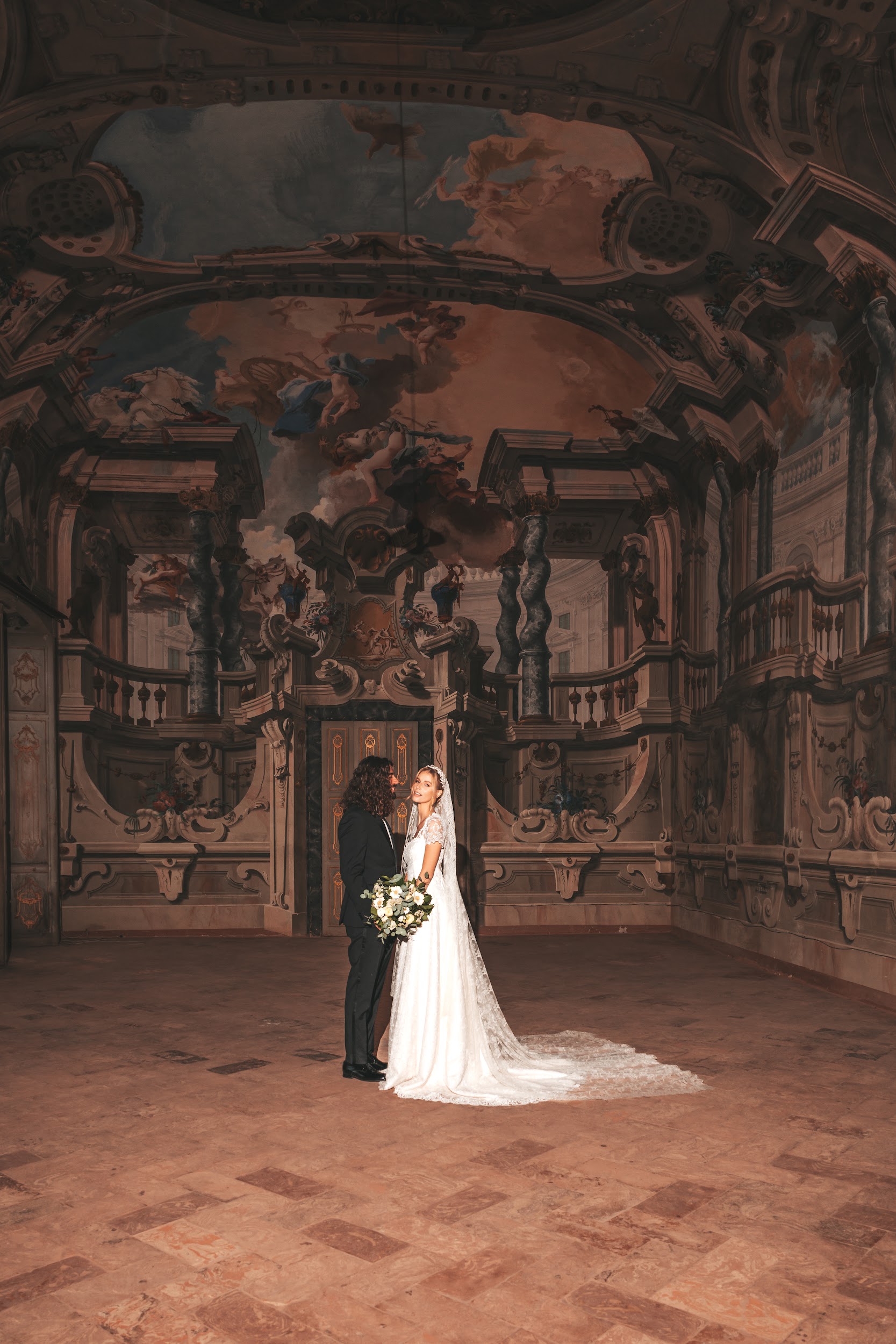
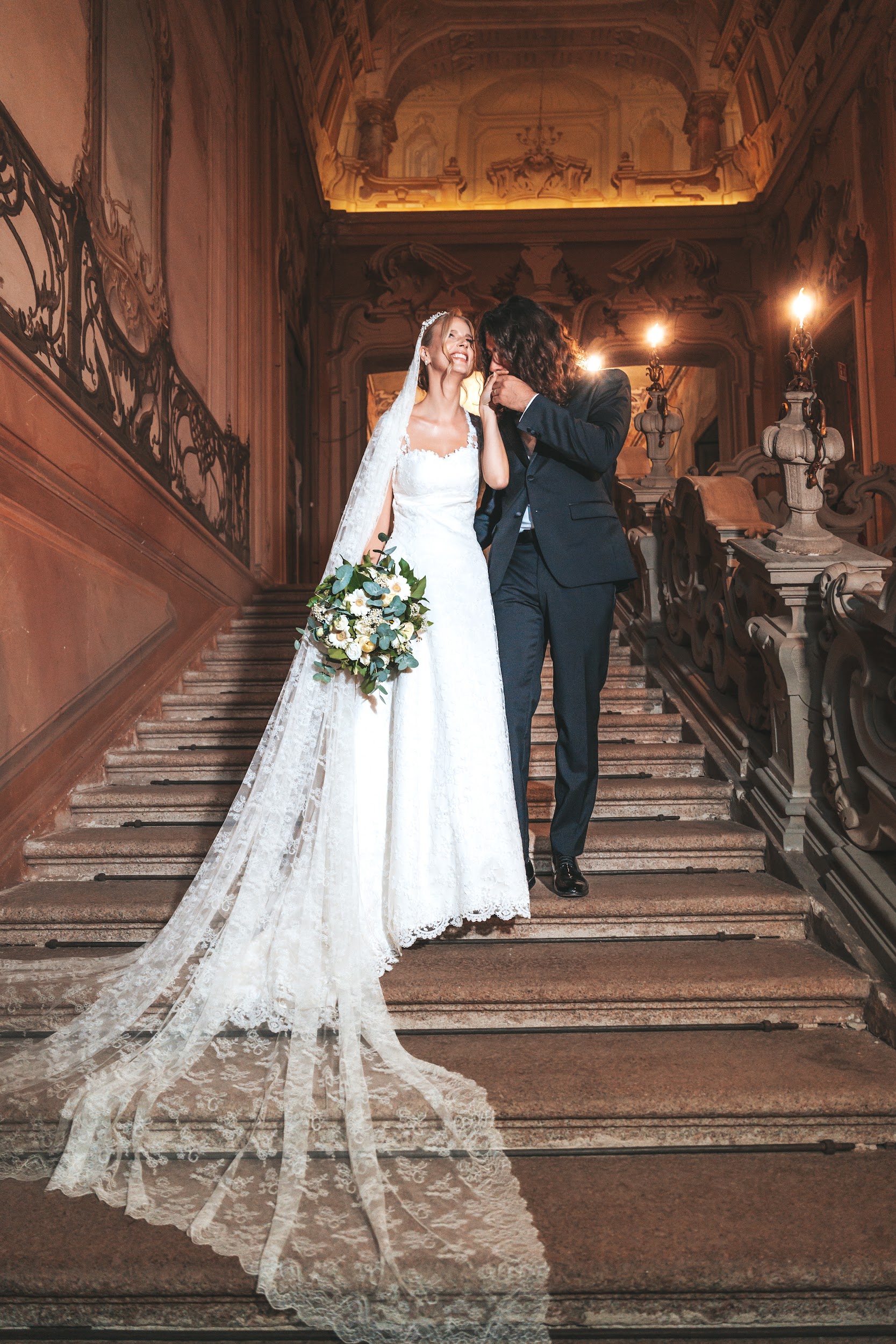
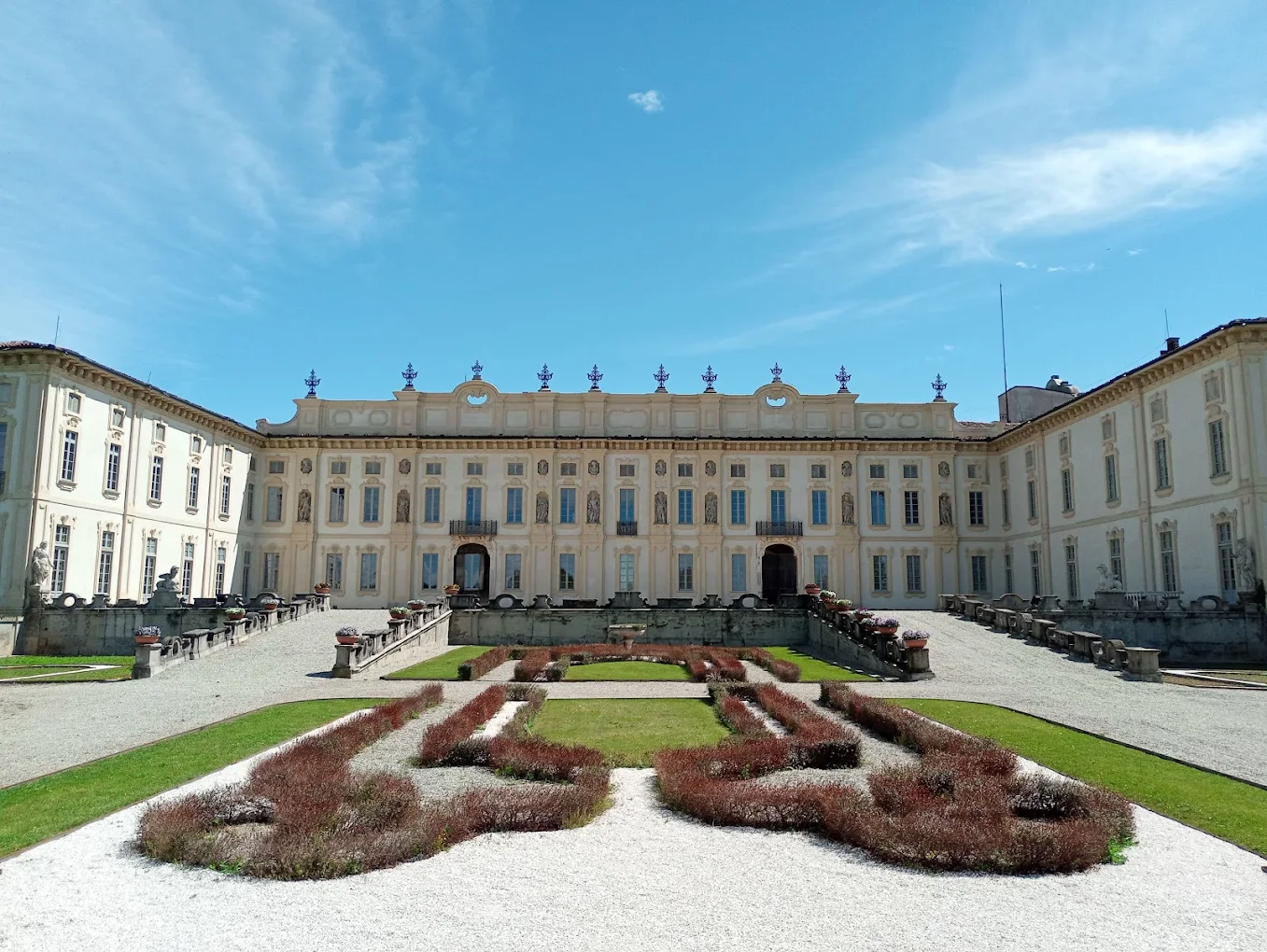
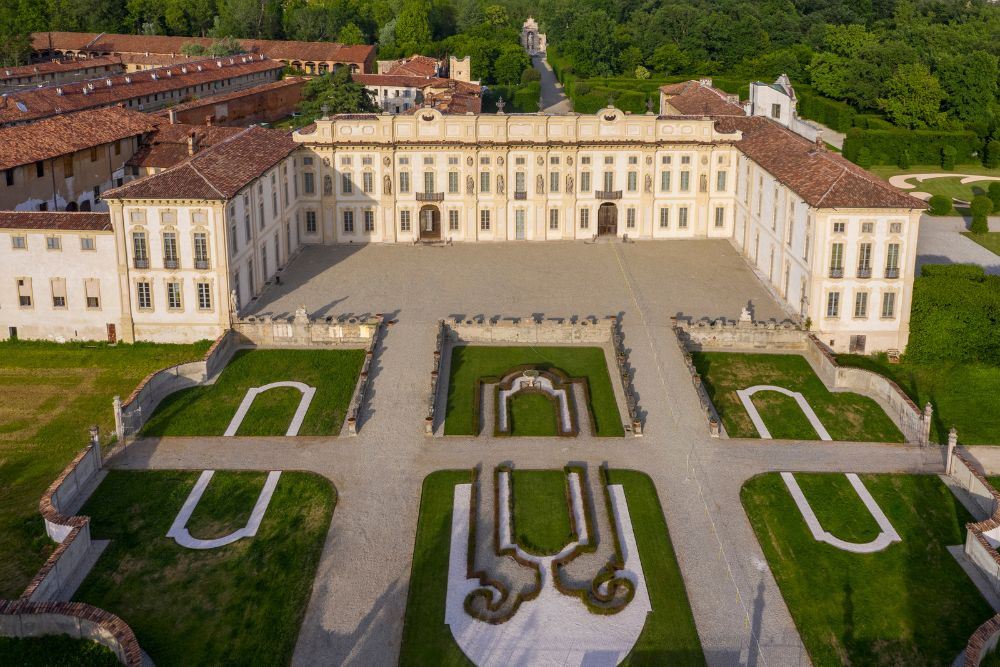
The Countryside Aesthetic: Borgo and Villa Dynamics
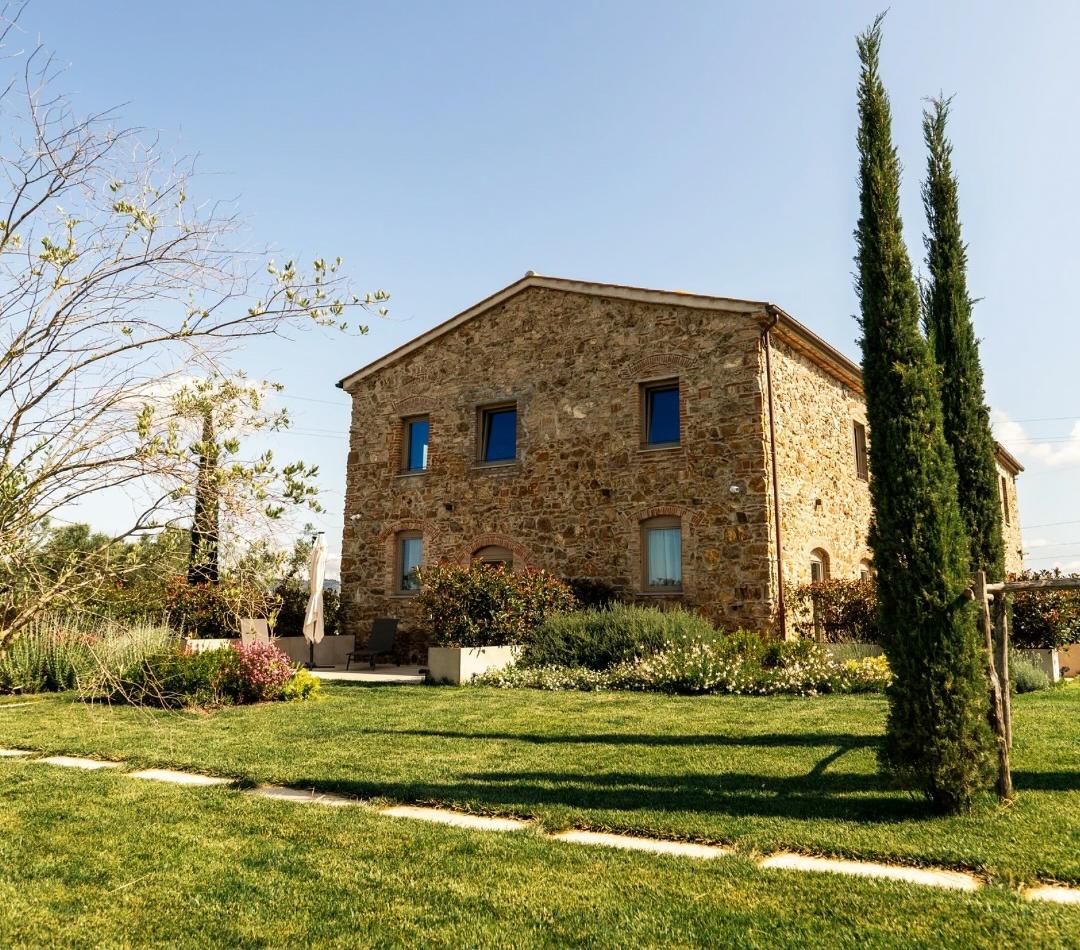
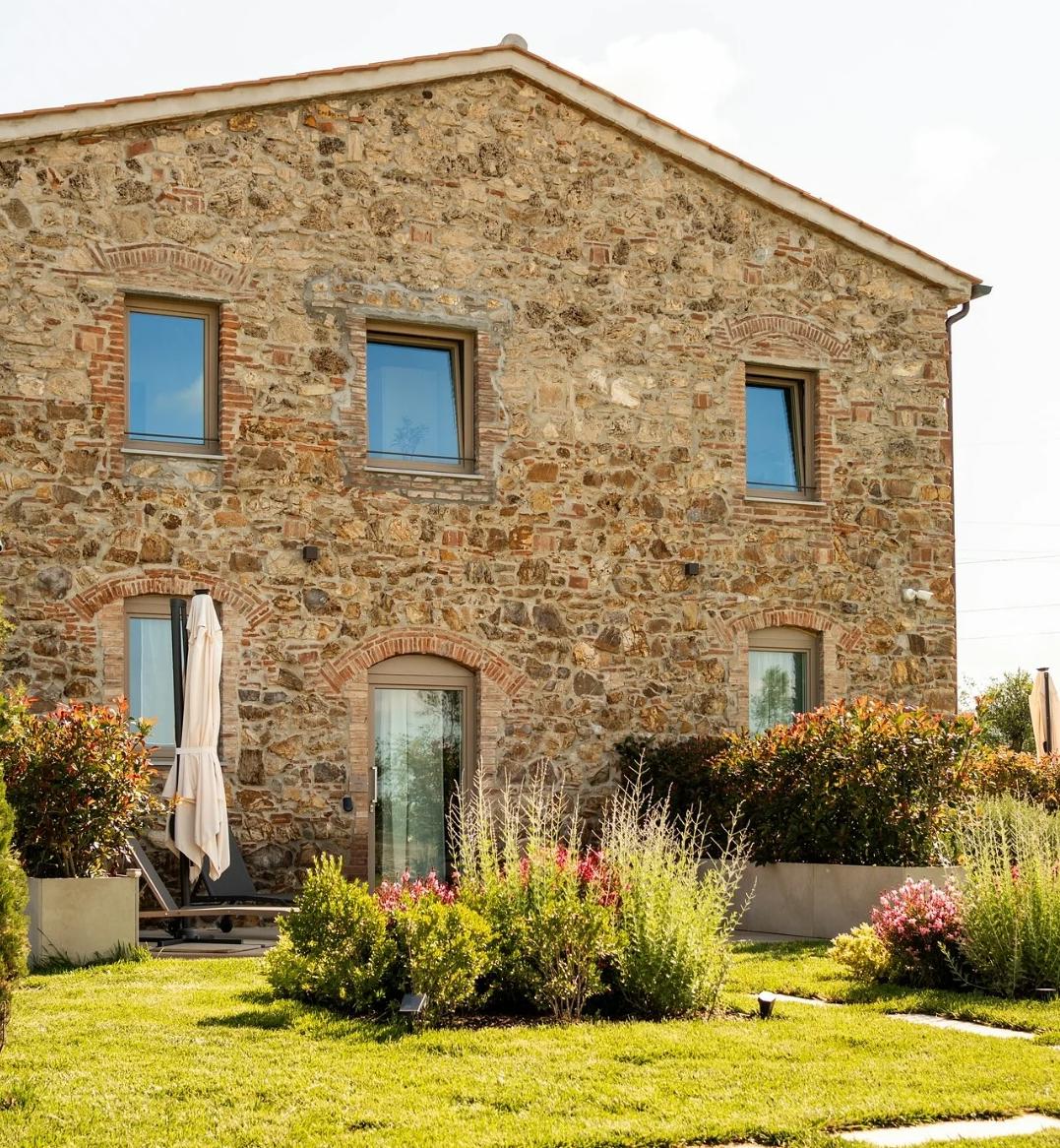
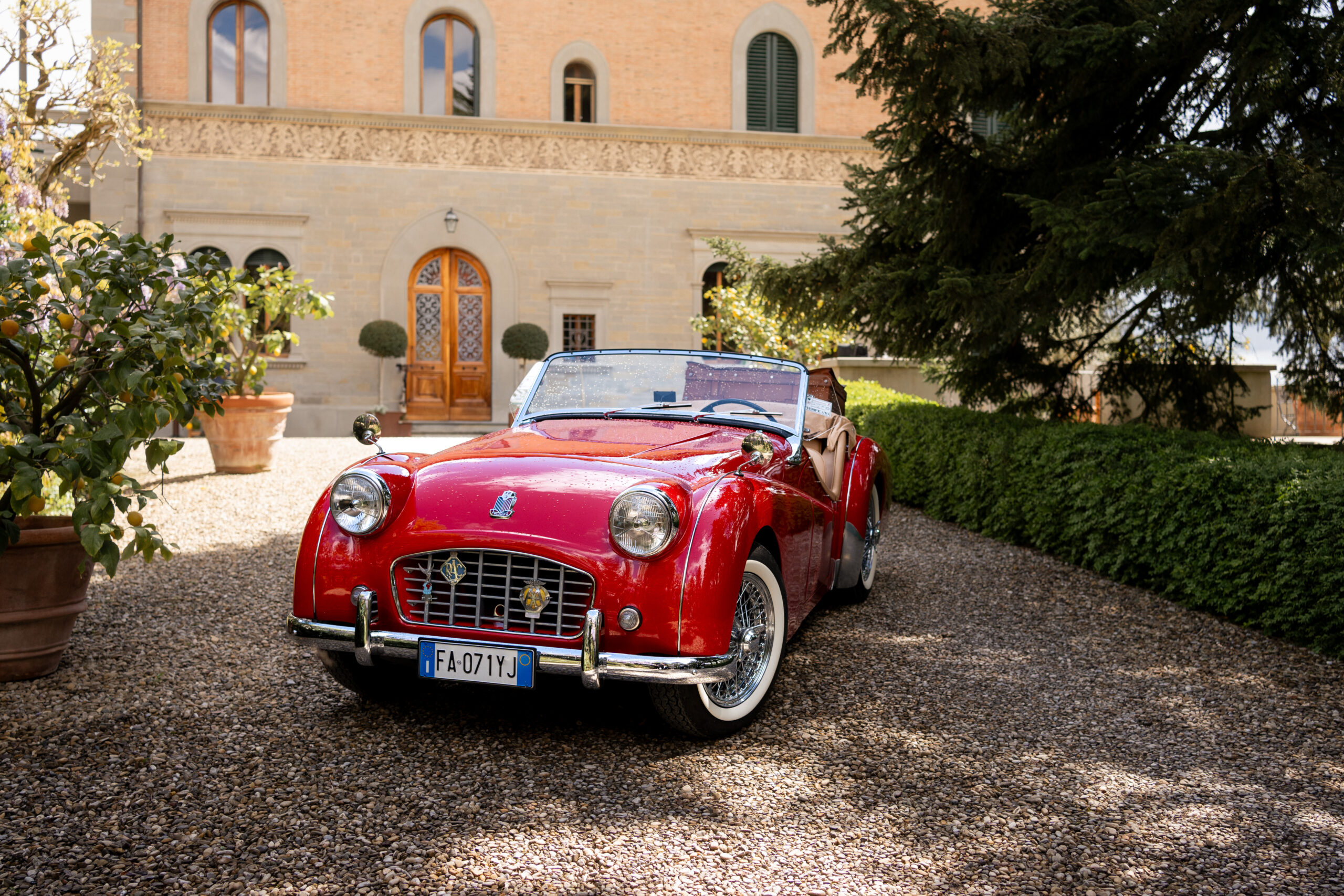
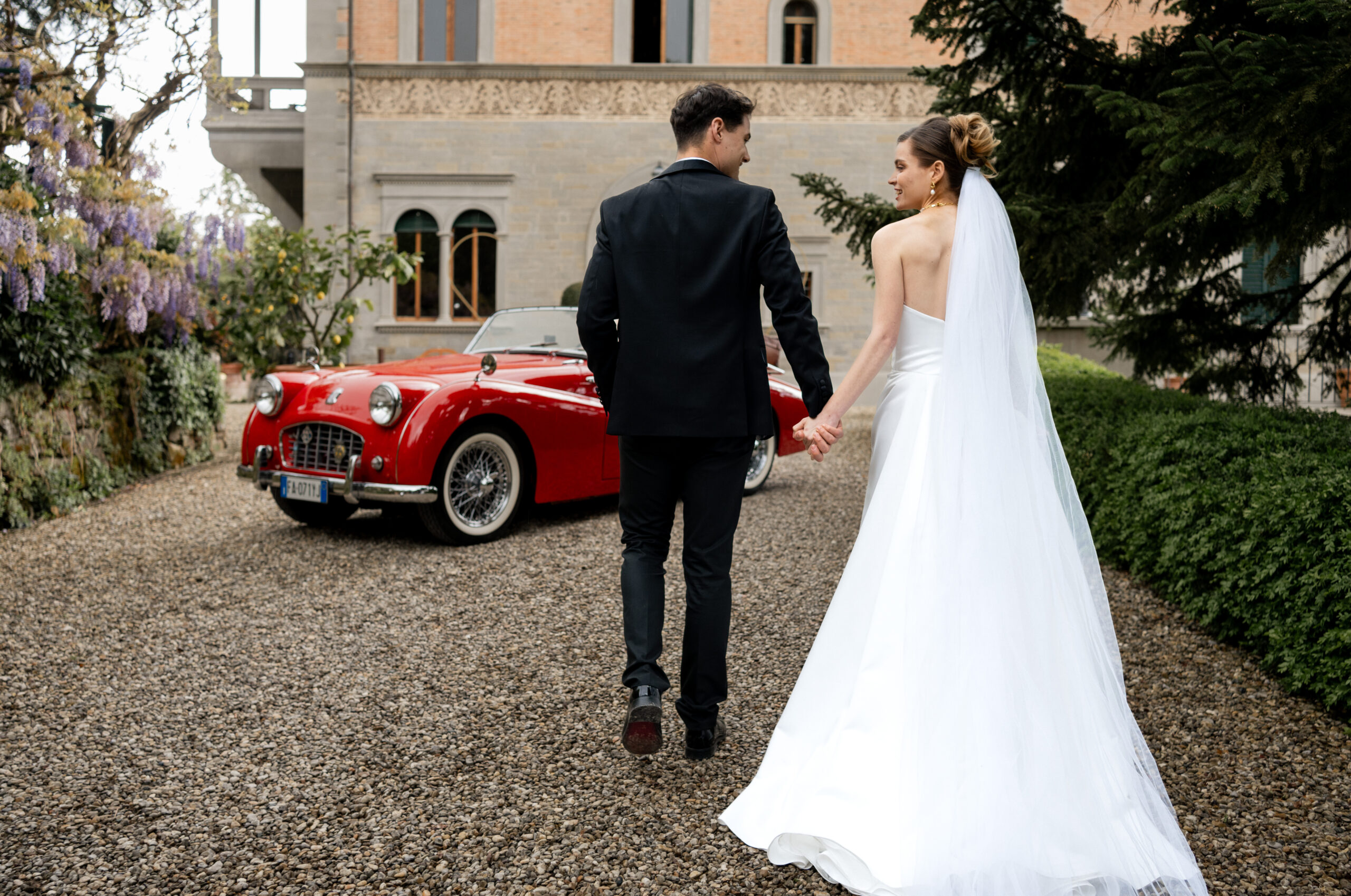
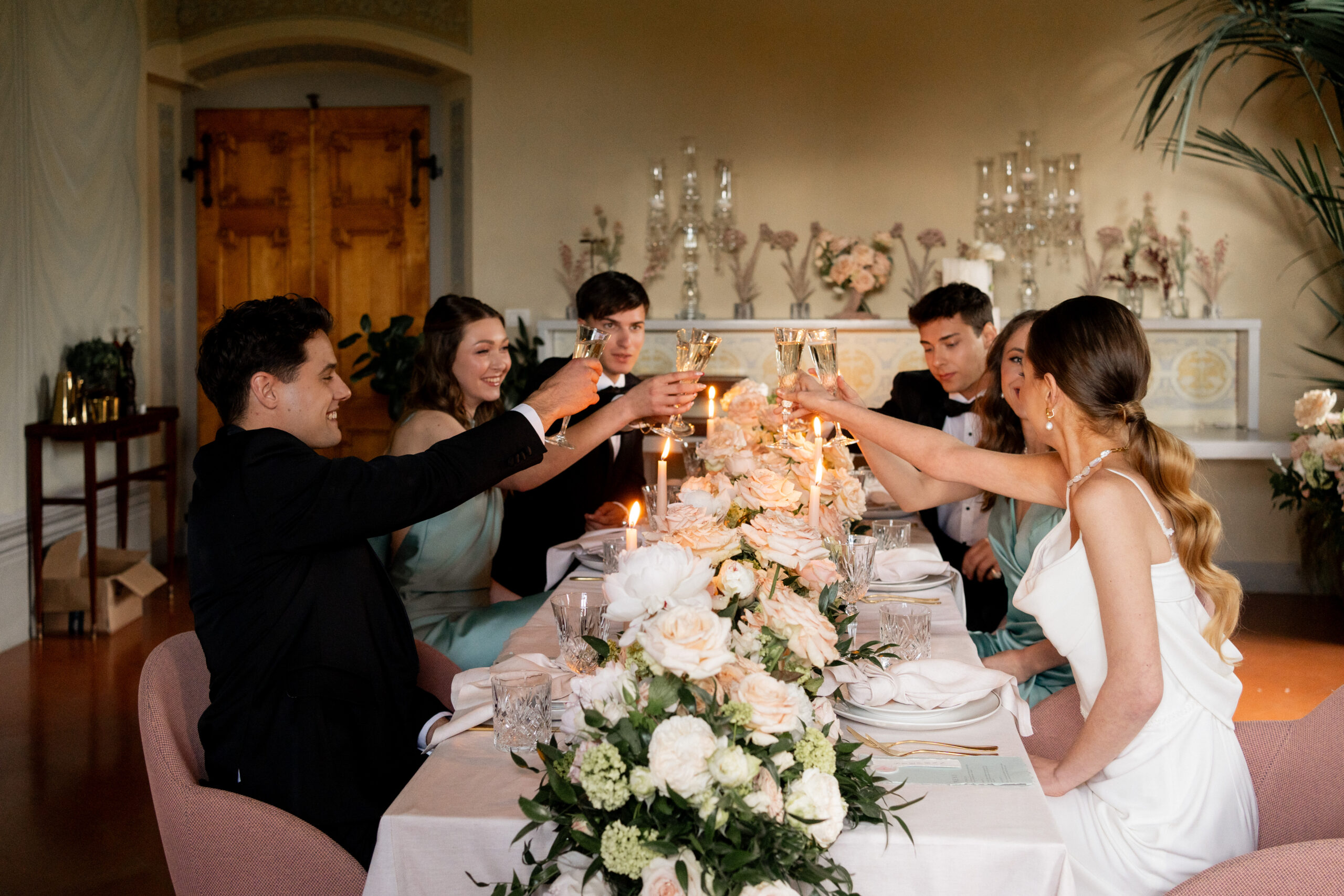
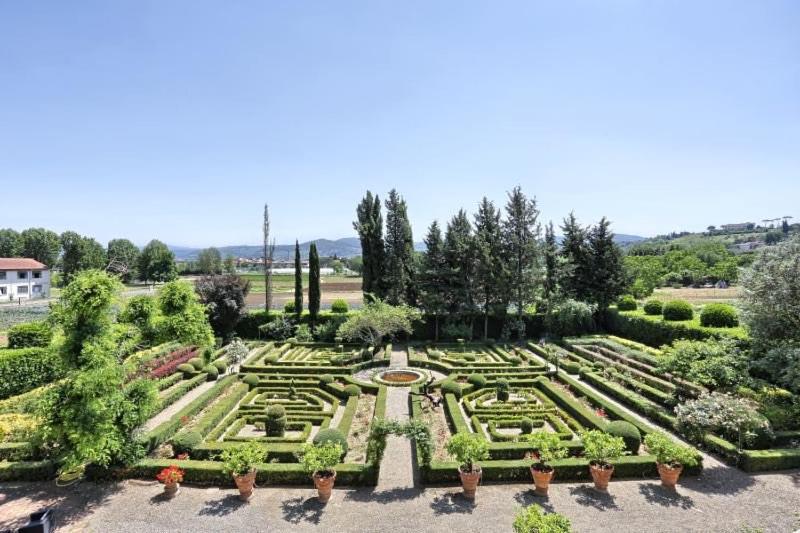
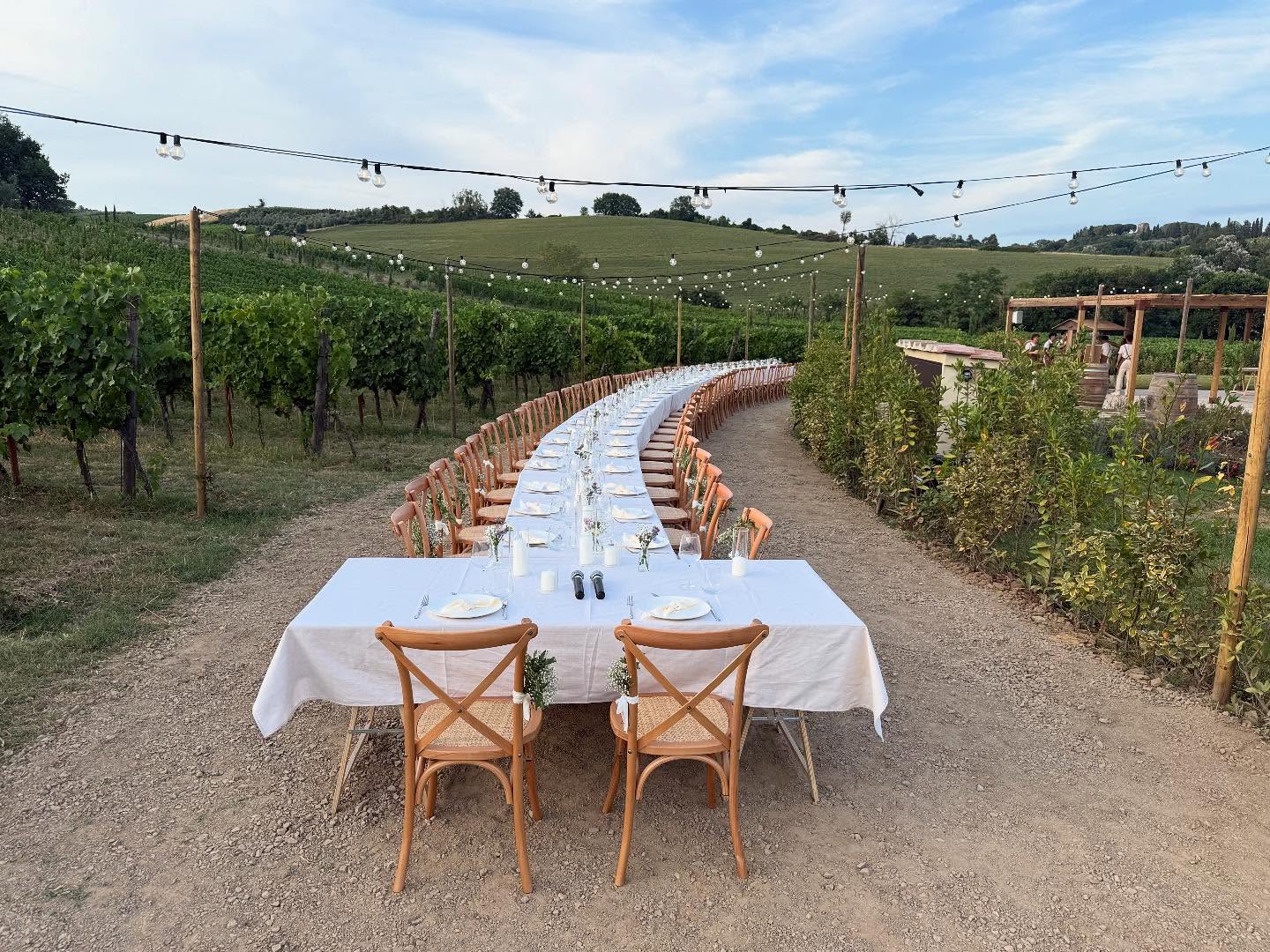
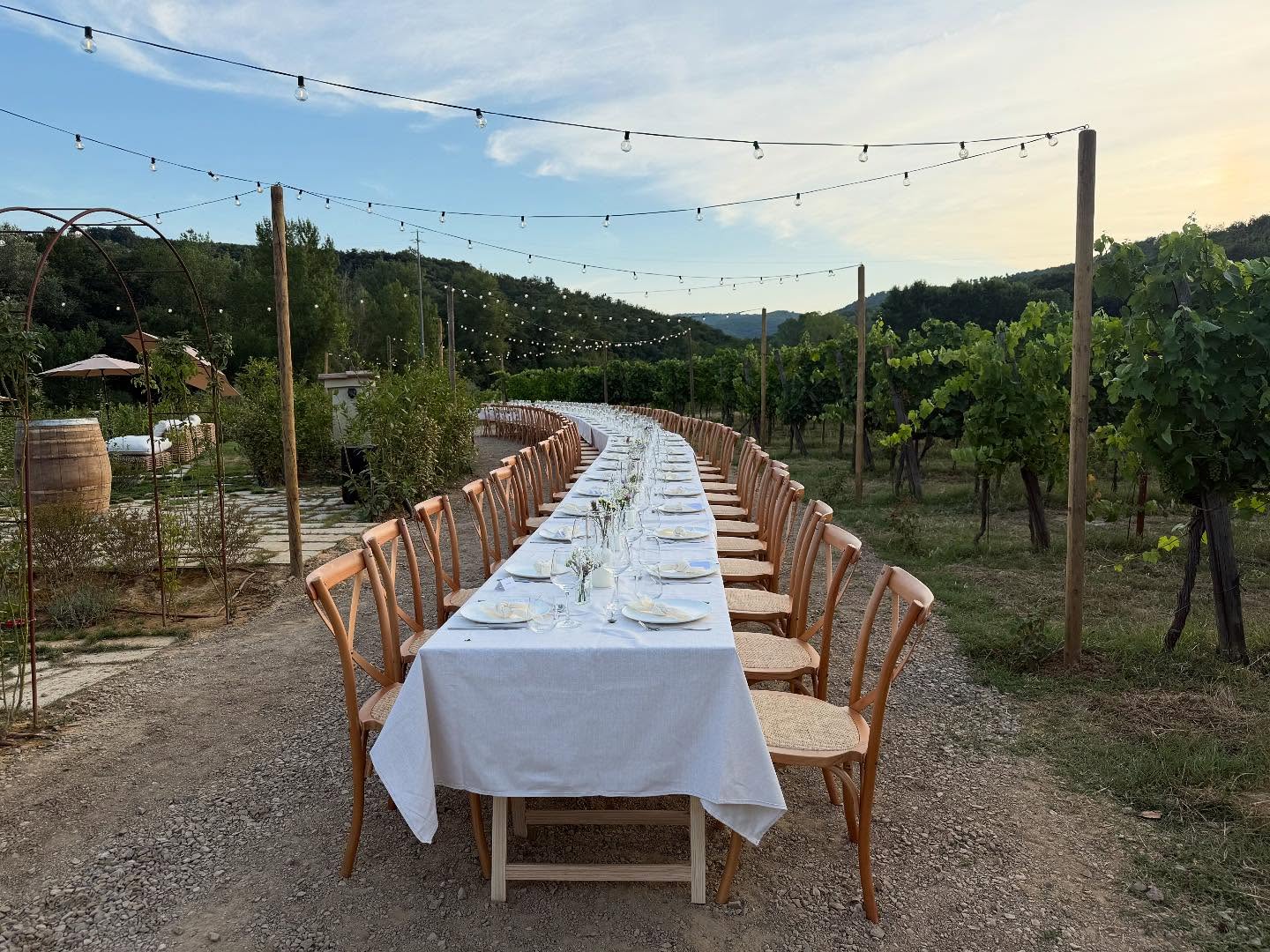
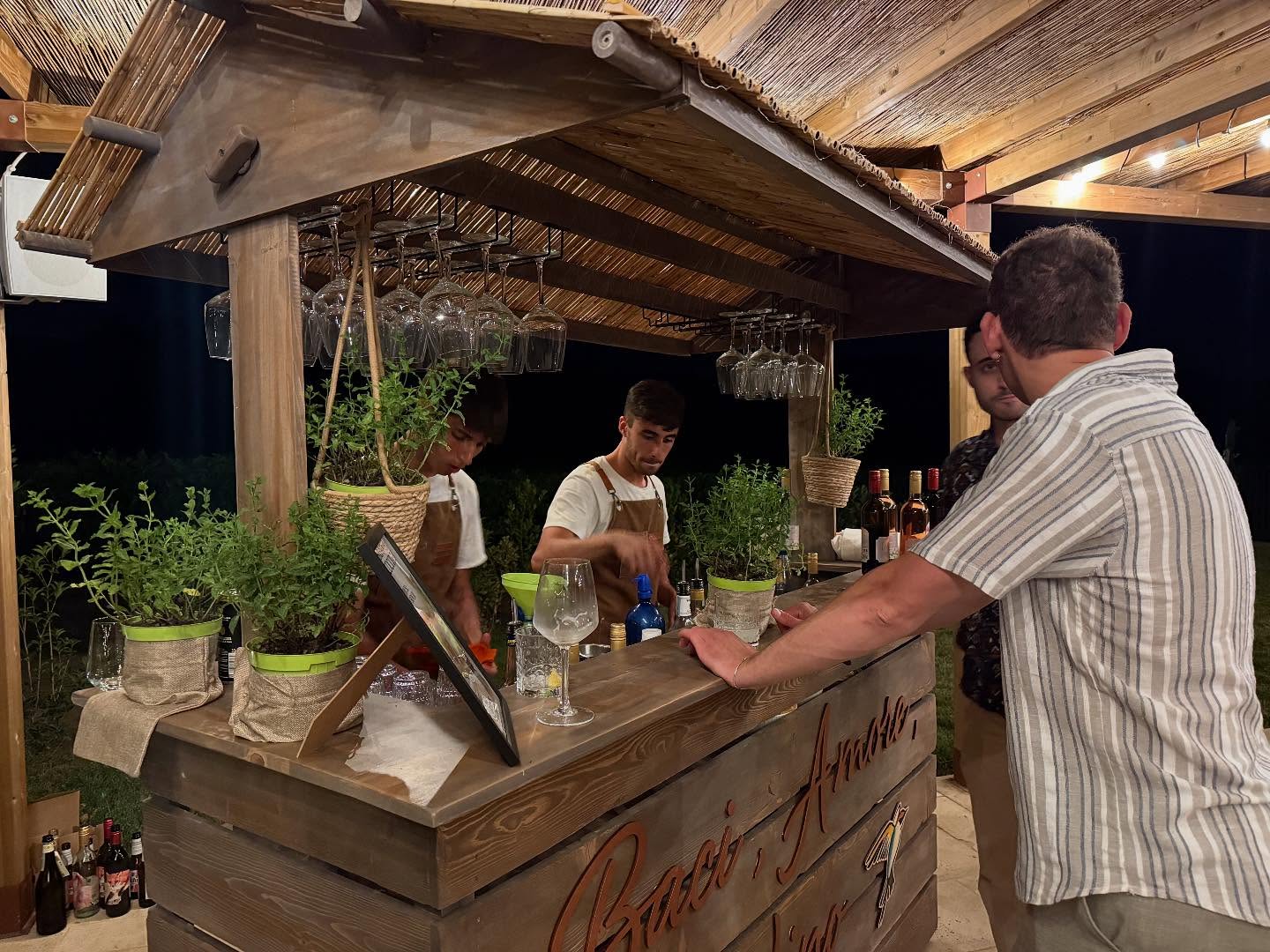
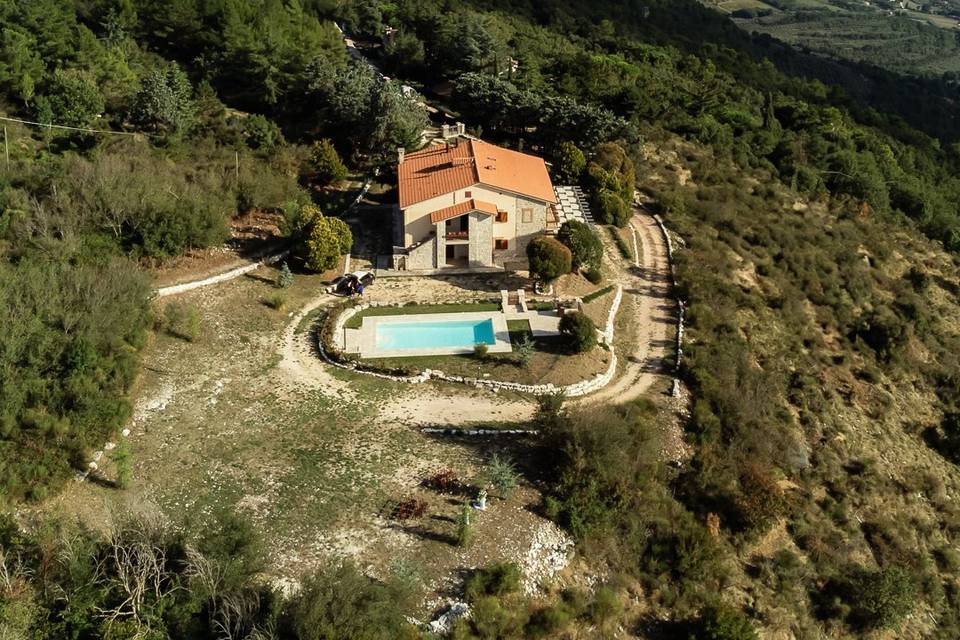
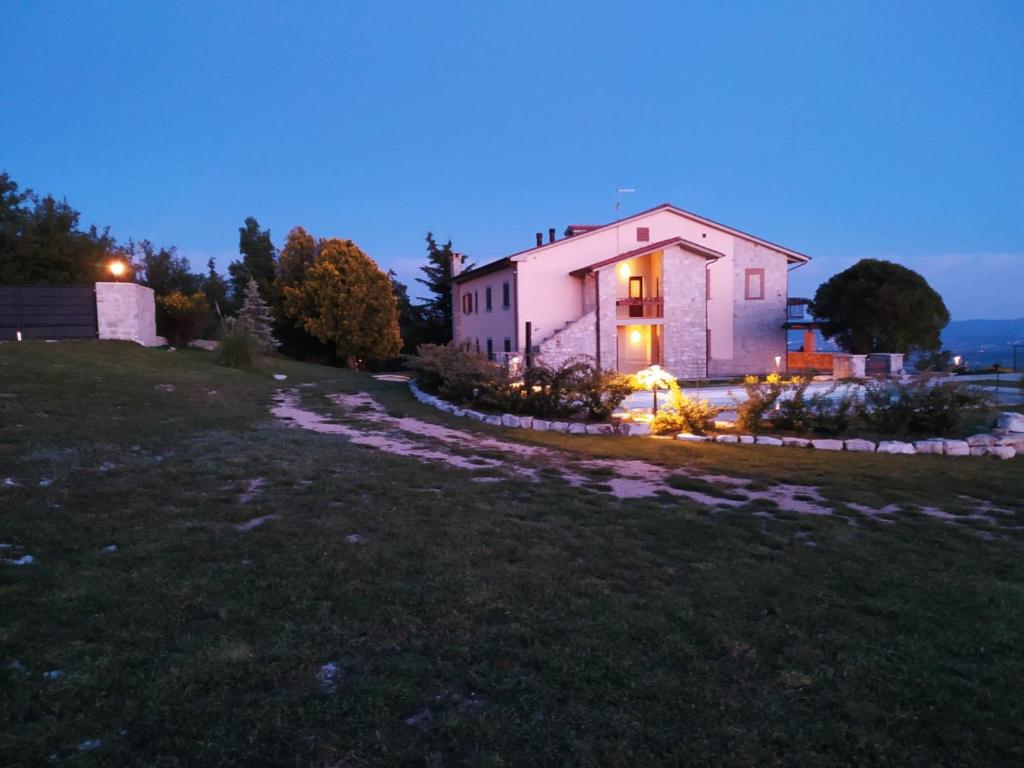
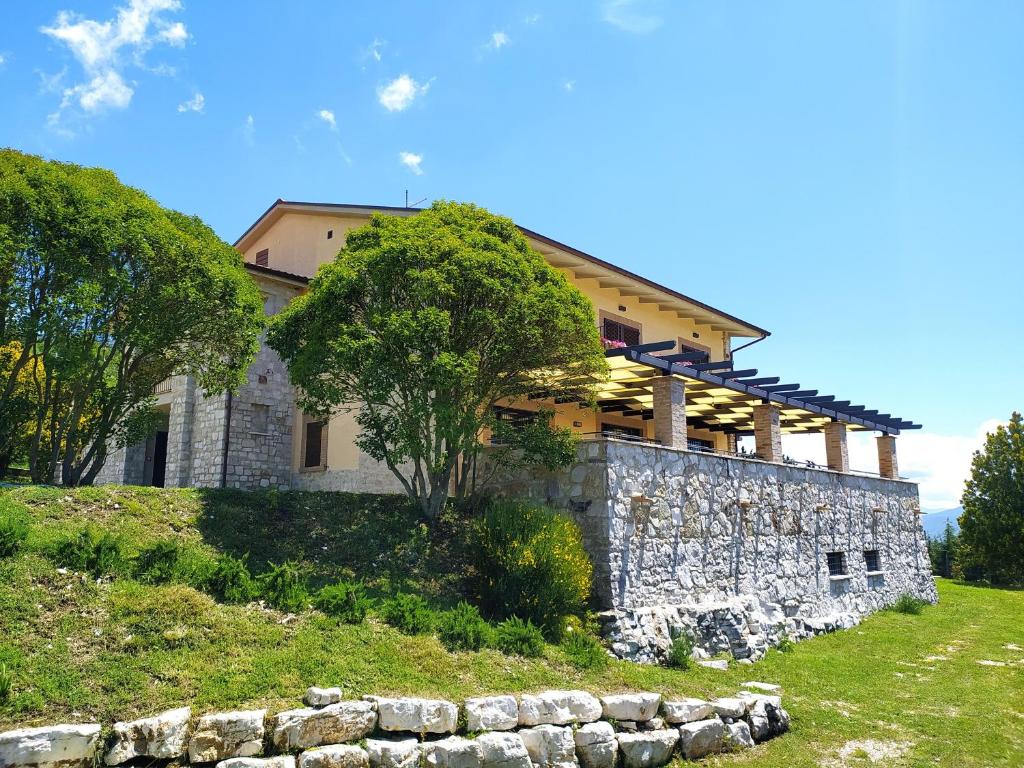
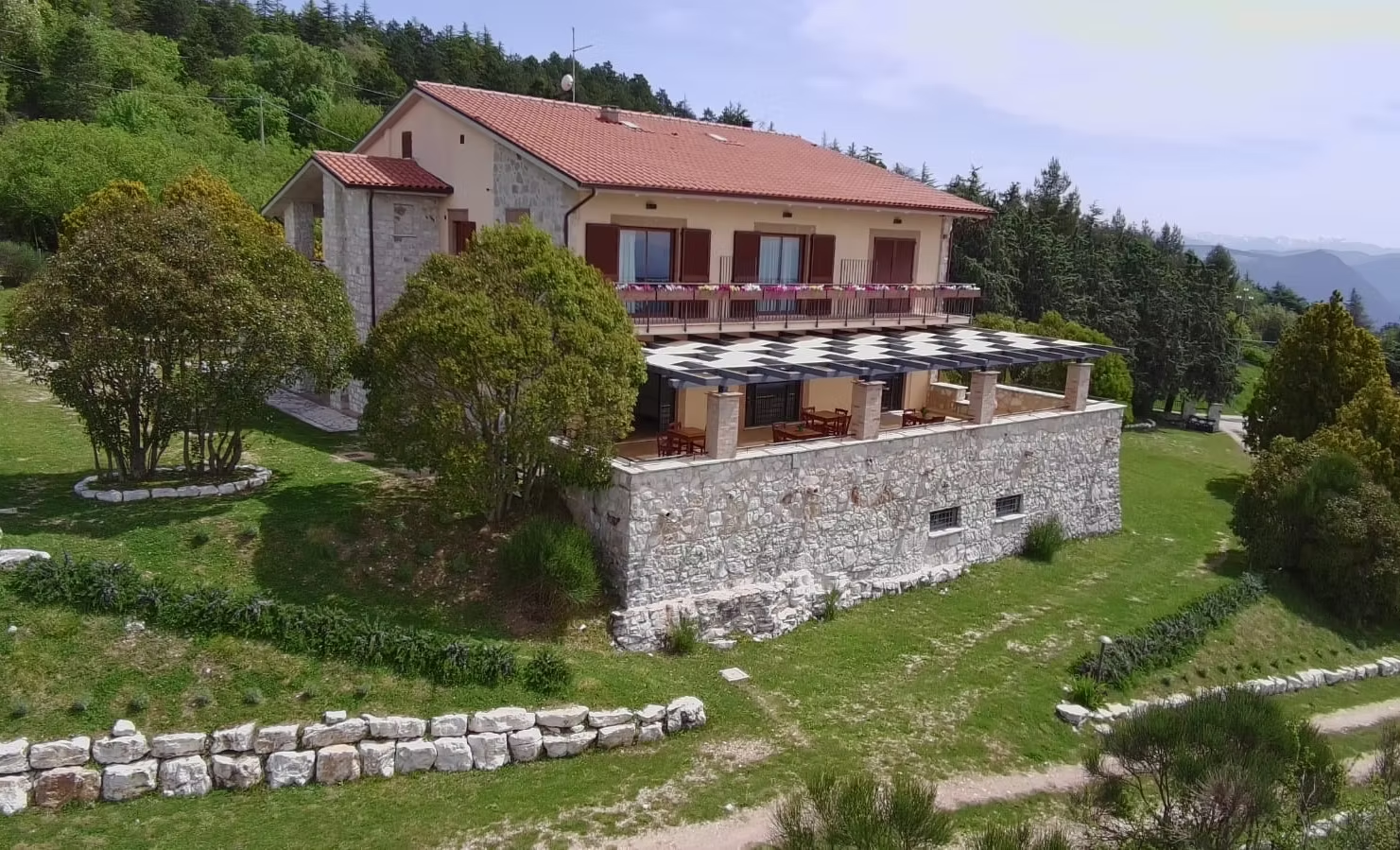
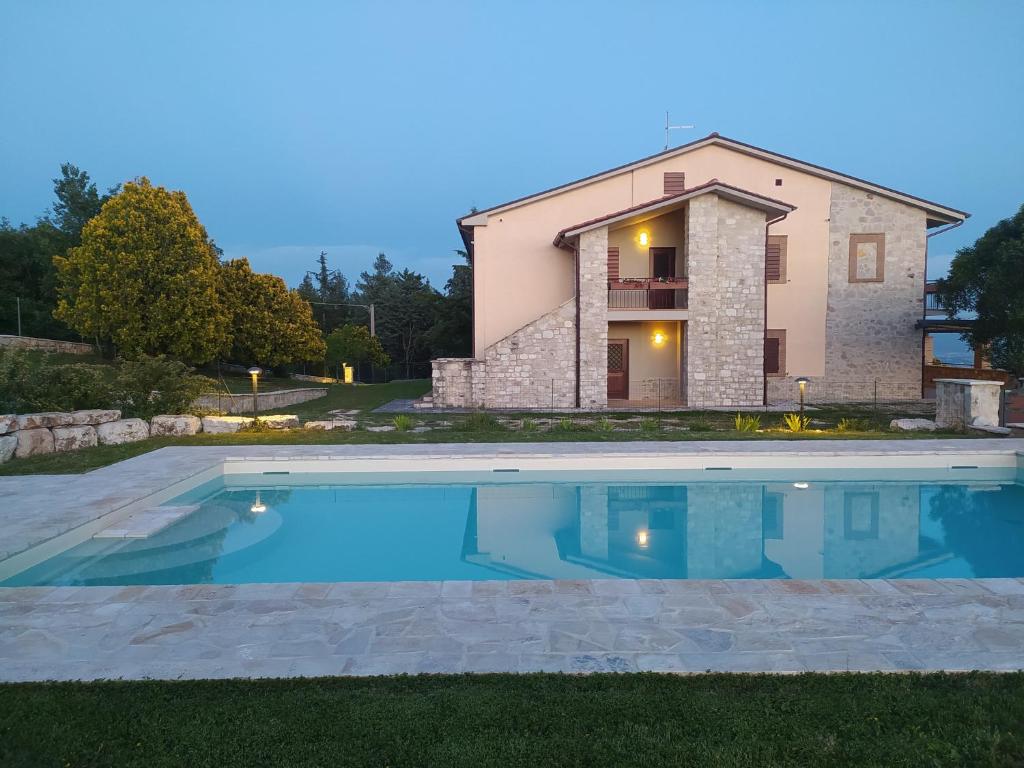
For couples prioritizing guest immersion and on-site lodging, the countryside model—typically situated in central Italy—offers the highest degree of logistical control. These venues often operate on an exclusive use basis, meaning the property is closed to the public for the duration of your stay.
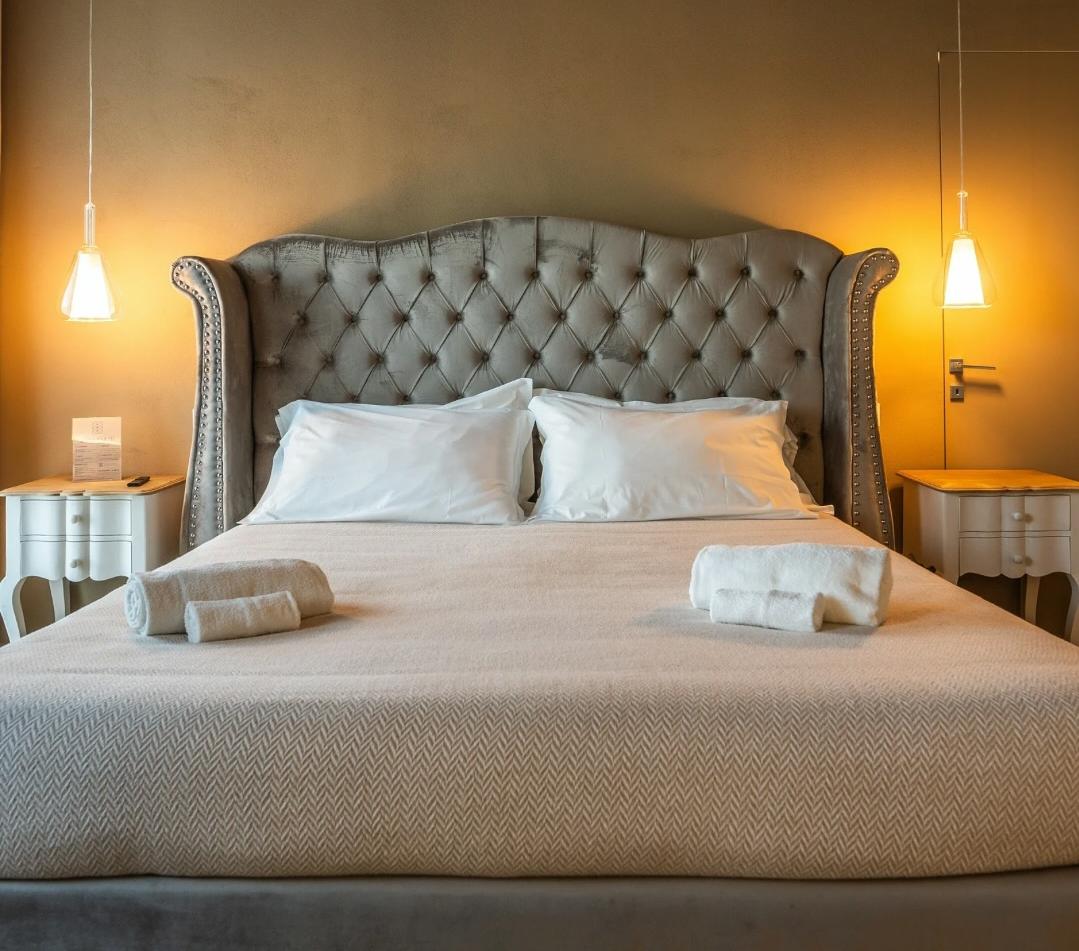
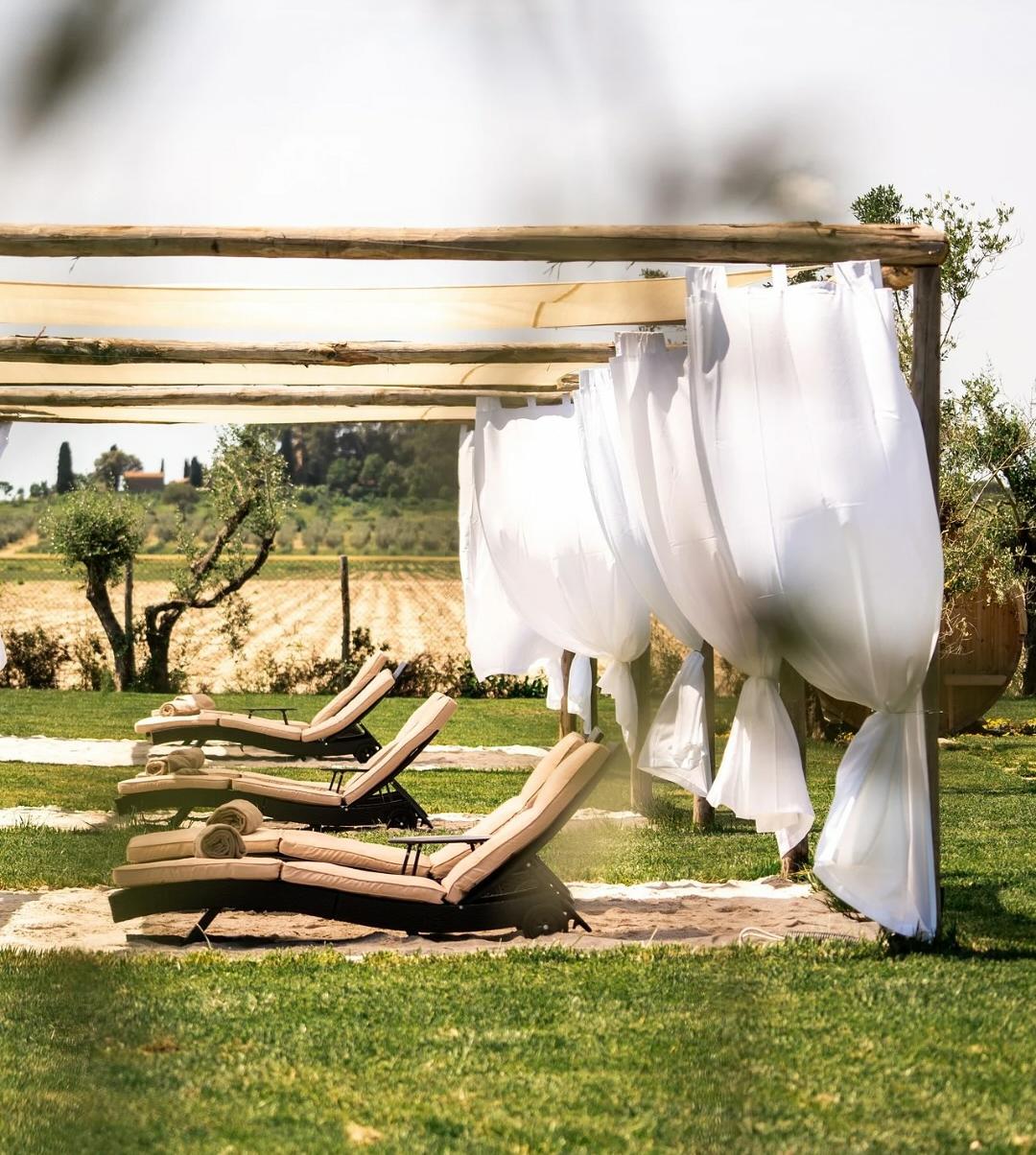
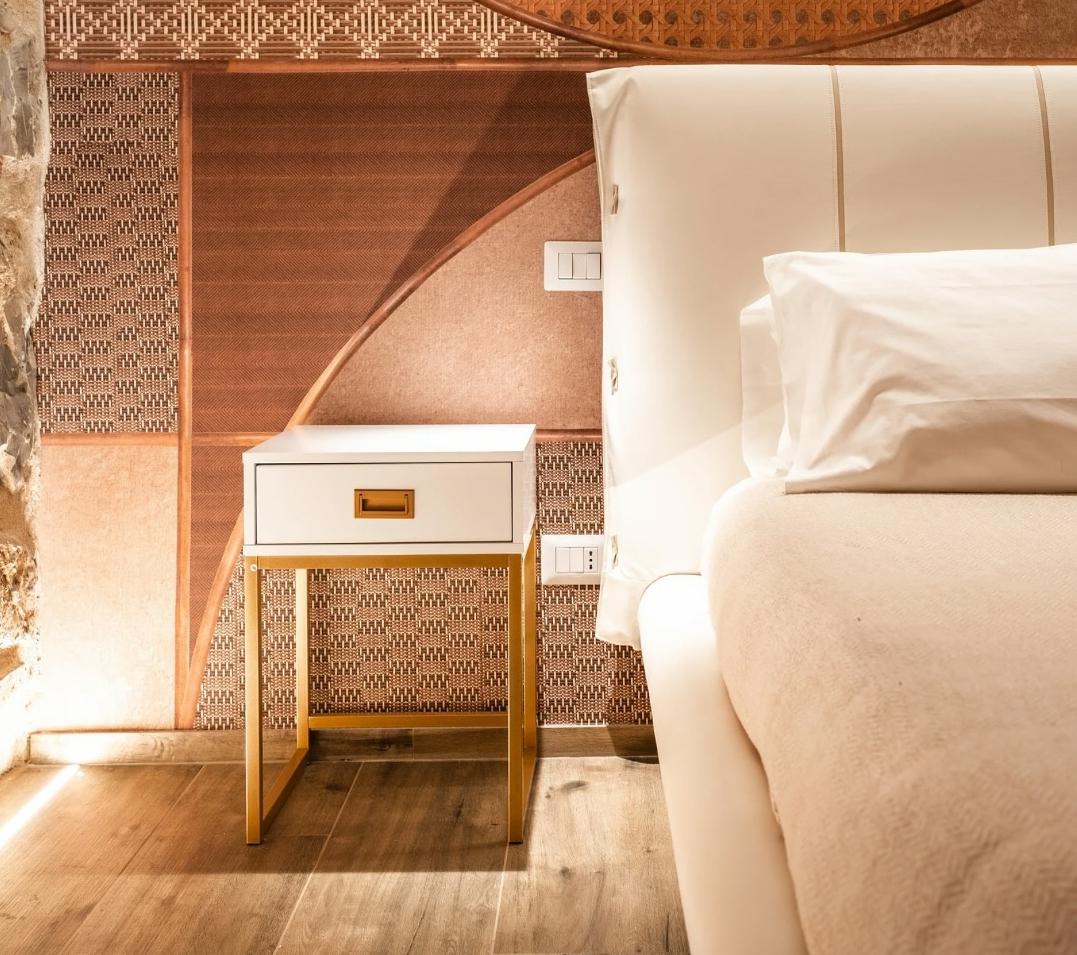
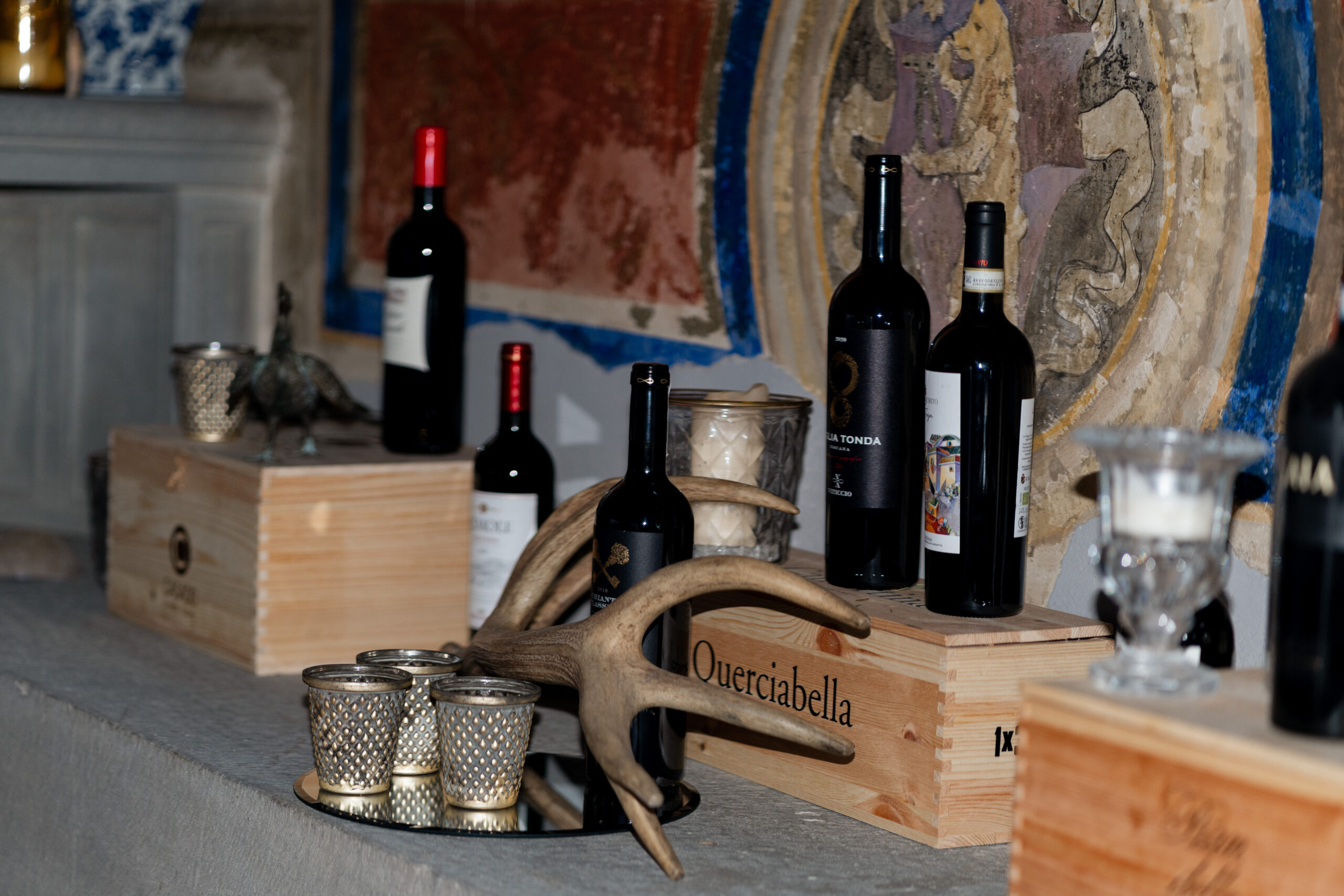
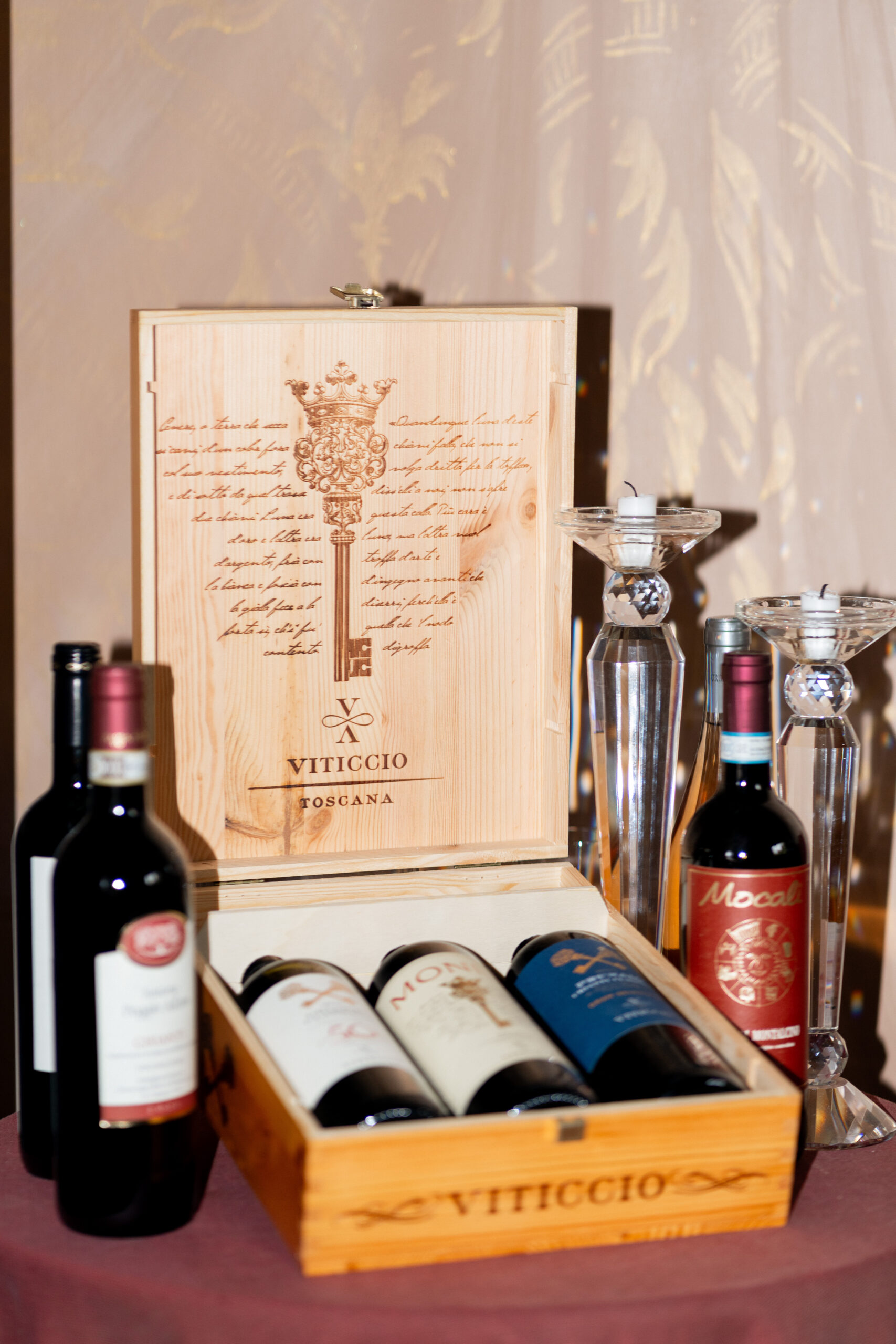
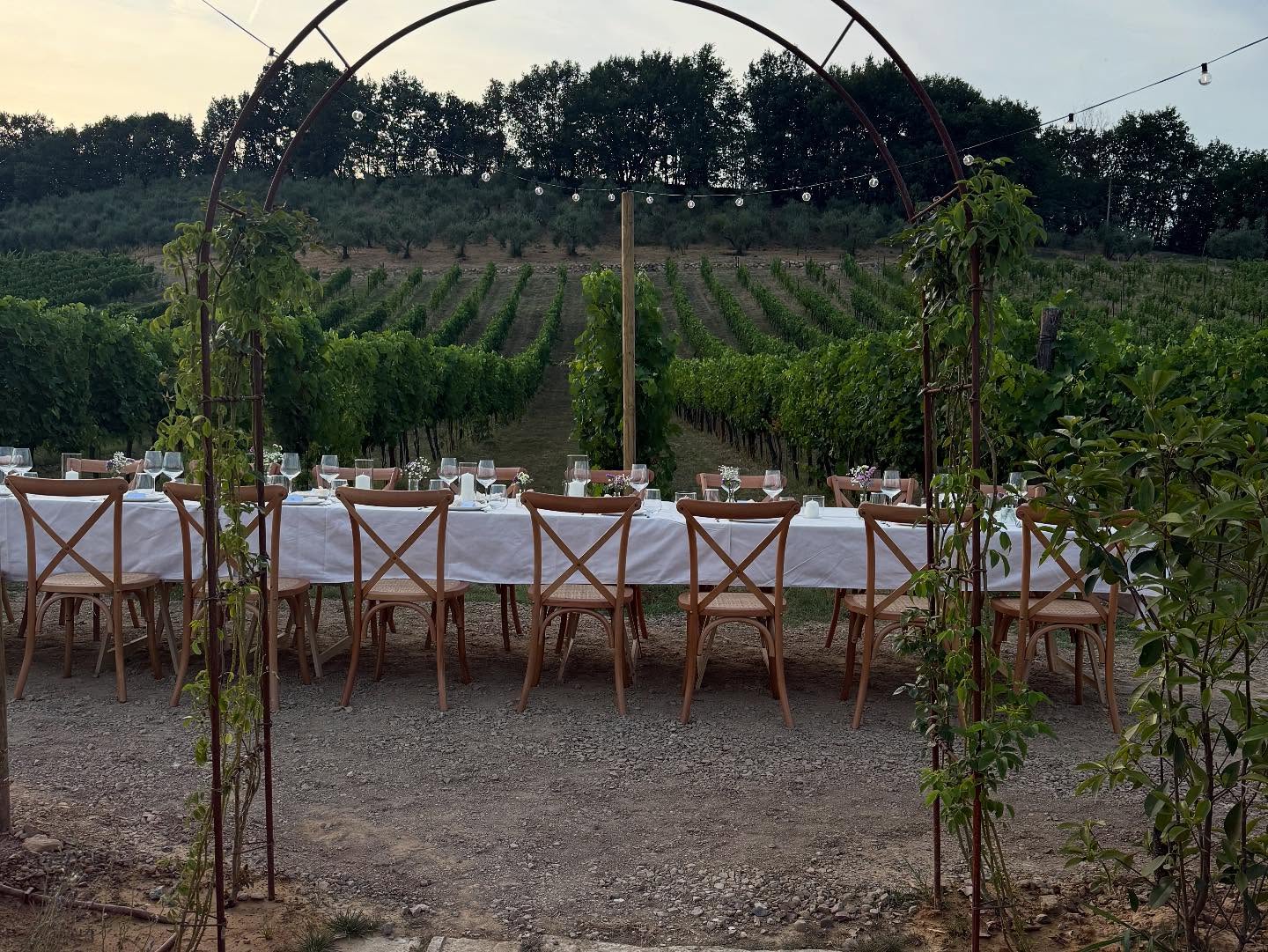
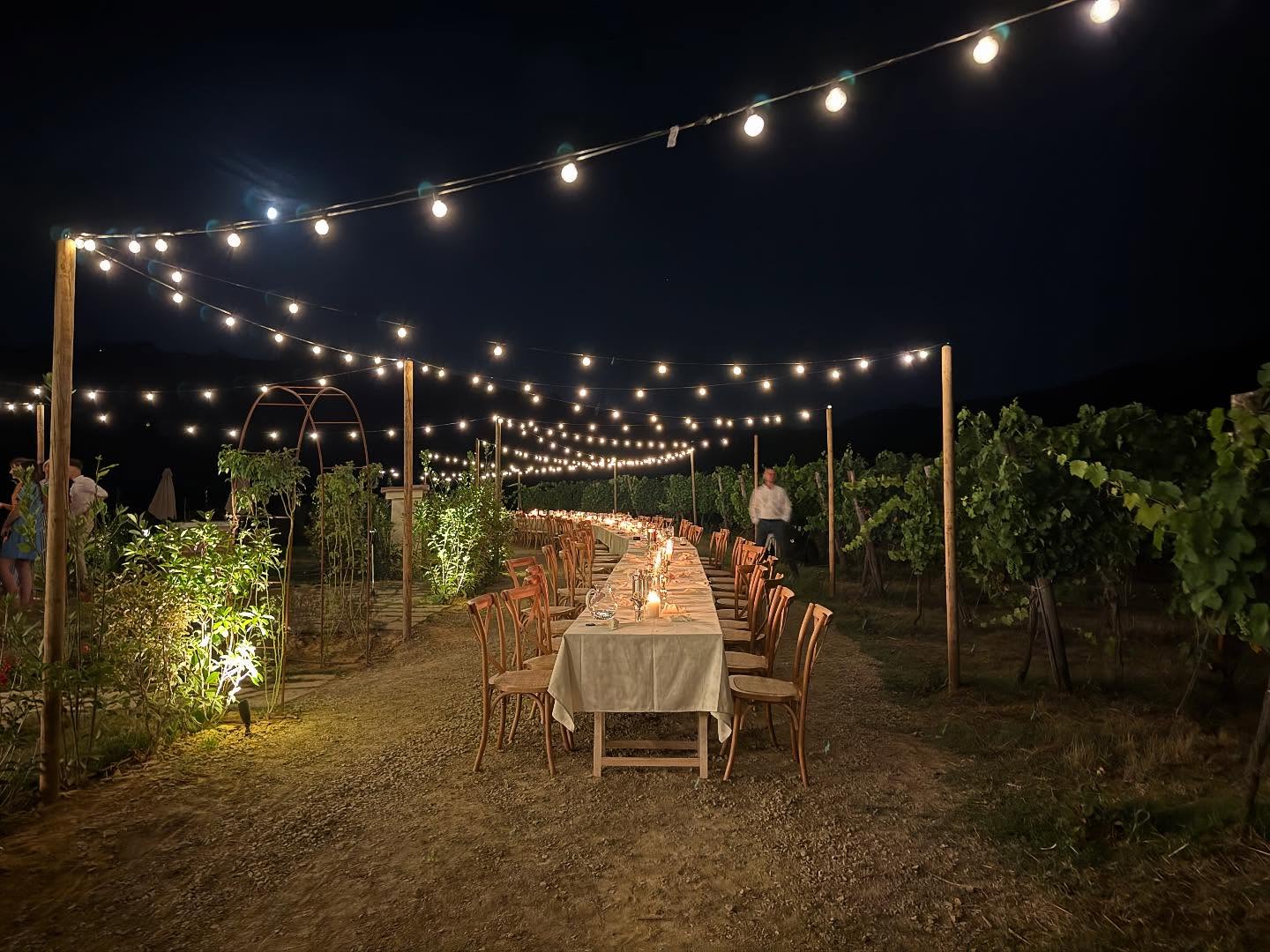
The quintessential choice for this format is luxury wedding villas in Tuscany. These properties, often converted farmhouses or aristocratic estates, provide a vineyard setting that allows for a seamless transition between the ceremony, aperitif, and reception without leaving the grounds. An agriturismo typically offers a higher accommodation capacity compared to private villas, often sleeping 40 to 60 guests directly on-site, which significantly reduces transportation costs.
Key Logistical Parameter:
- Minimum Stay: Most high-end villas require a minimum 3-night buyout during peak season (May–September).
- Catering: Unlike hotels, many villas allow external catering, giving you control over the food and beverage budget, though some impose a “kitchen use fee” (approx. €500–€1,500).
Historic Fortifications: The Castle Experience
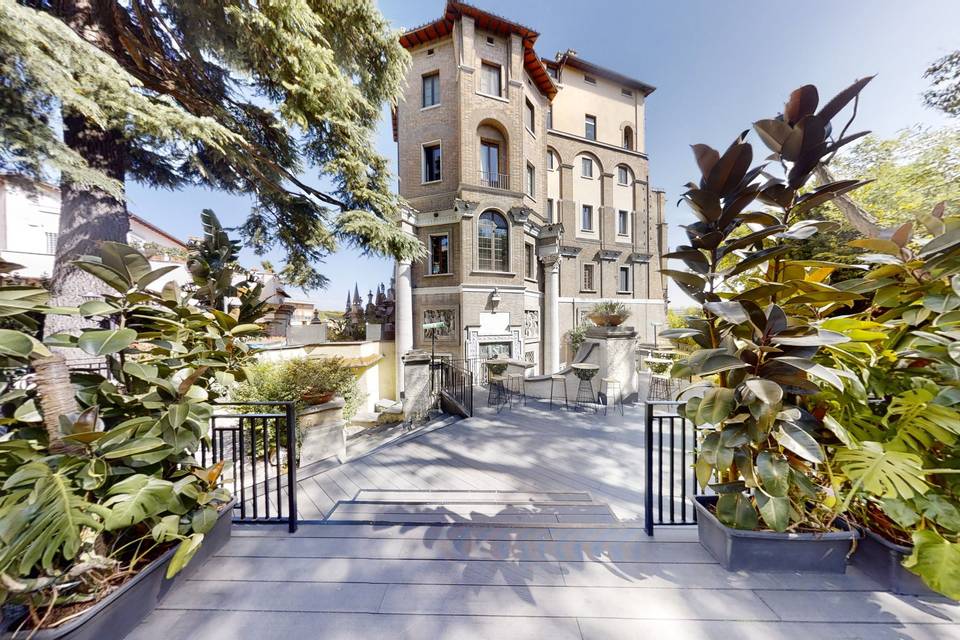
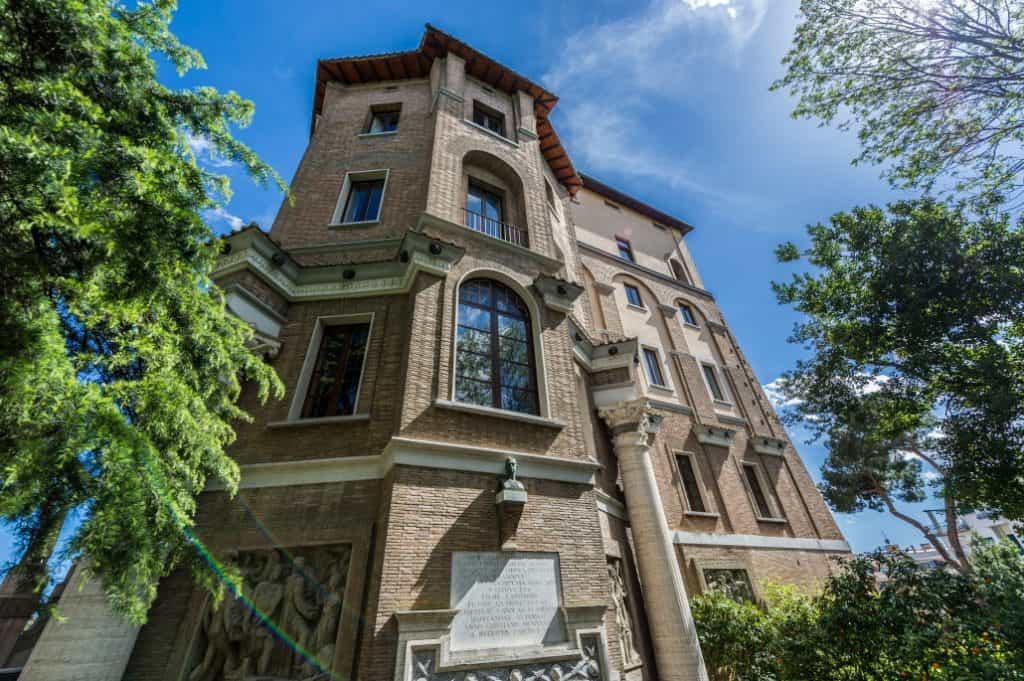
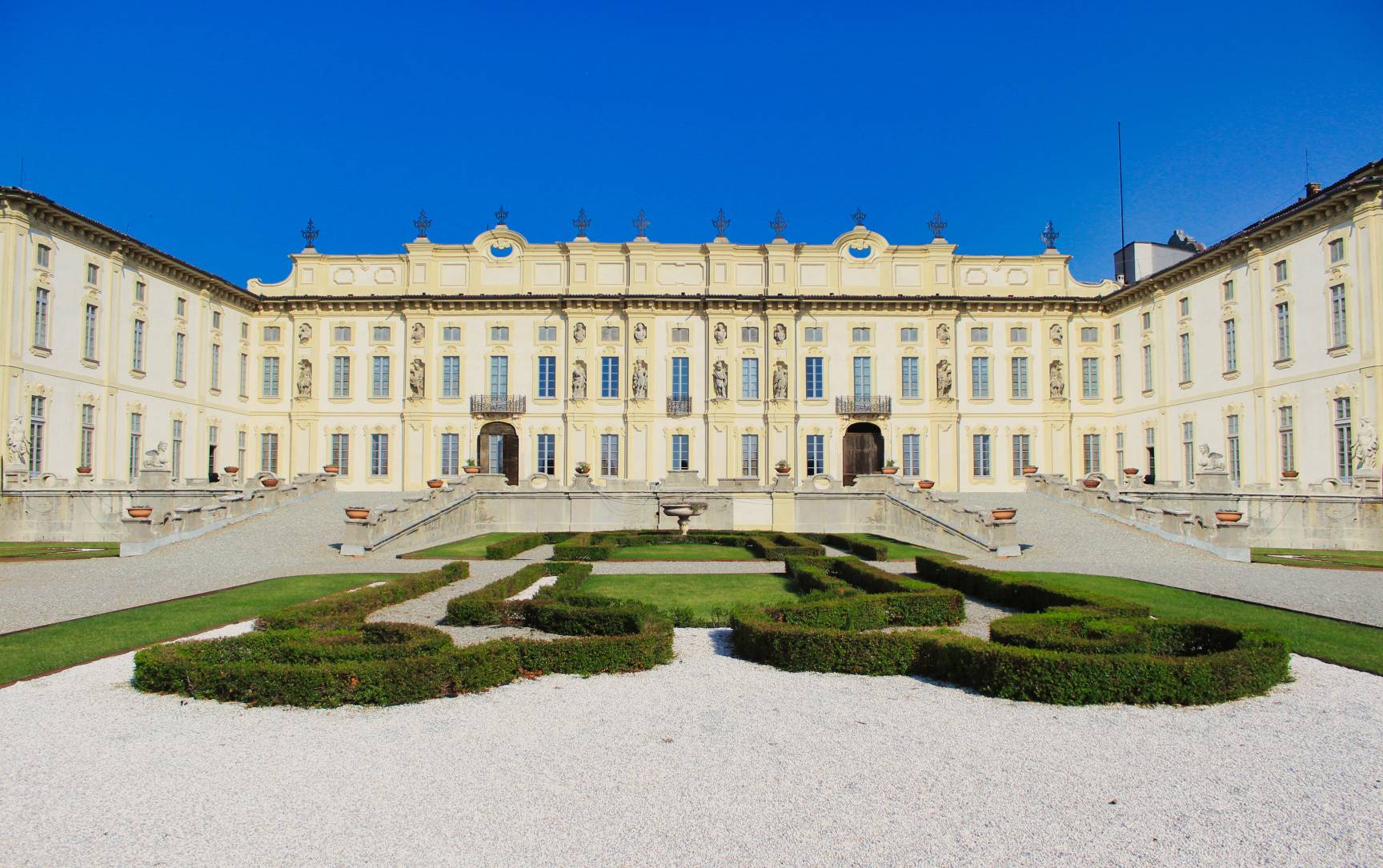
If the objective is to secure a historic residence with architectural gravity, a castle venue provides a distinct alternative to the rural villa. These structures differ fundamentally in their layout; they are often vertical rather than horizontal, characterized by courtyards, towers, and enclosed gardens.
Italian castle wedding venues offer a specific historic castle atmosphere that naturally elevates the formality of the event. The medieval architecture, often featuring a fortress wall or moat, provides exceptional privacy but can present accessibility challenges for elderly guests due to uneven cobblestones and limited elevator access. From a design perspective, the stone facades require less floral decoration than a blank-canvas banquet hall, offering a potential offset in the styling budget.
Key Logistical Parameter:
- Lighting: Ancient structures often lack sufficient ambient lighting for evening dining. Budget an additional €2,000–€4,000 for technical lighting setups in courtyards.
- Acoustics: Stone courtyards amplify sound, which is excellent for unamplified ceremonies but requires sound engineers to manage reverb during the party.
Waterfront Scenarios: Logistics of the Lakes
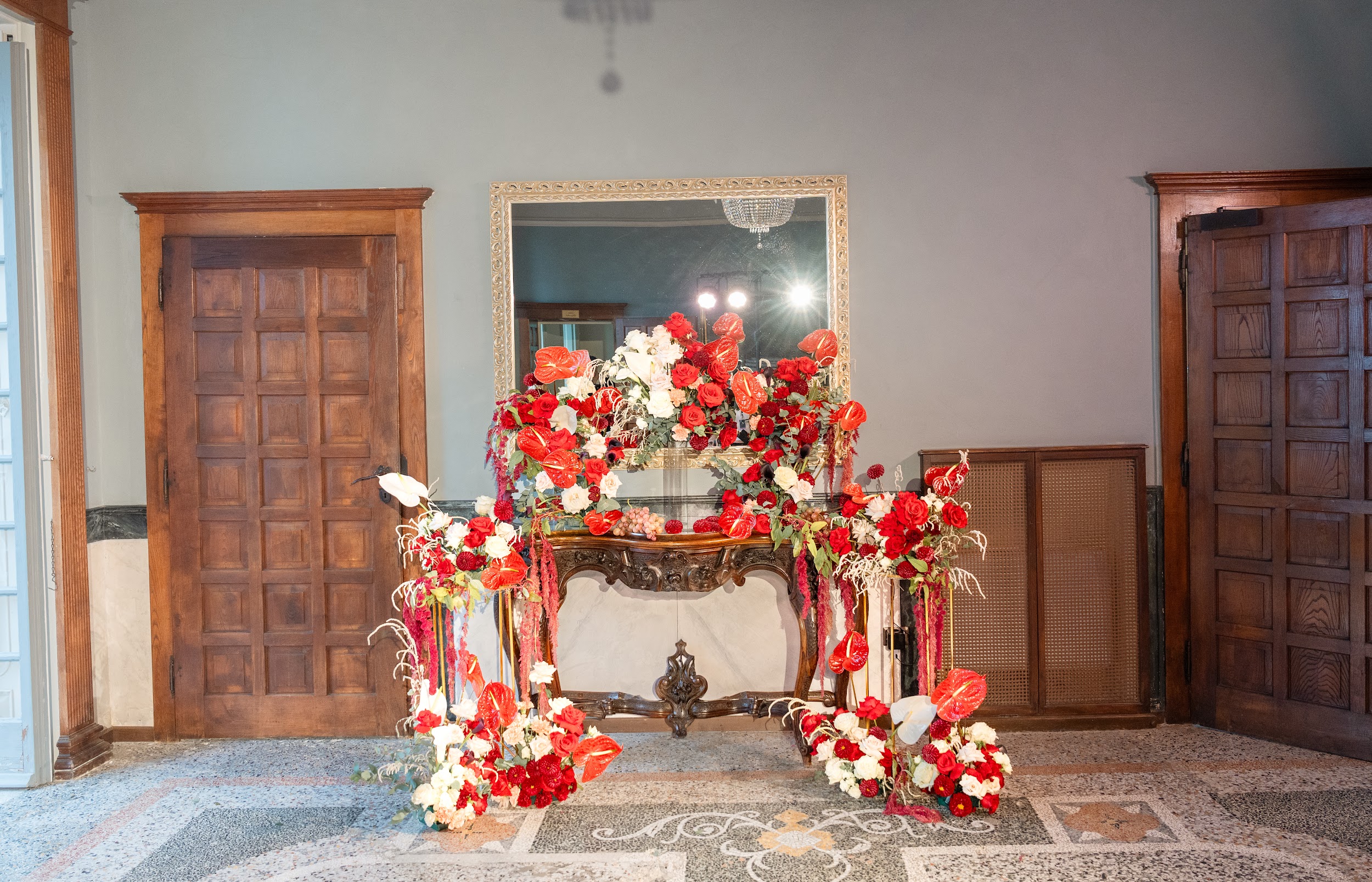
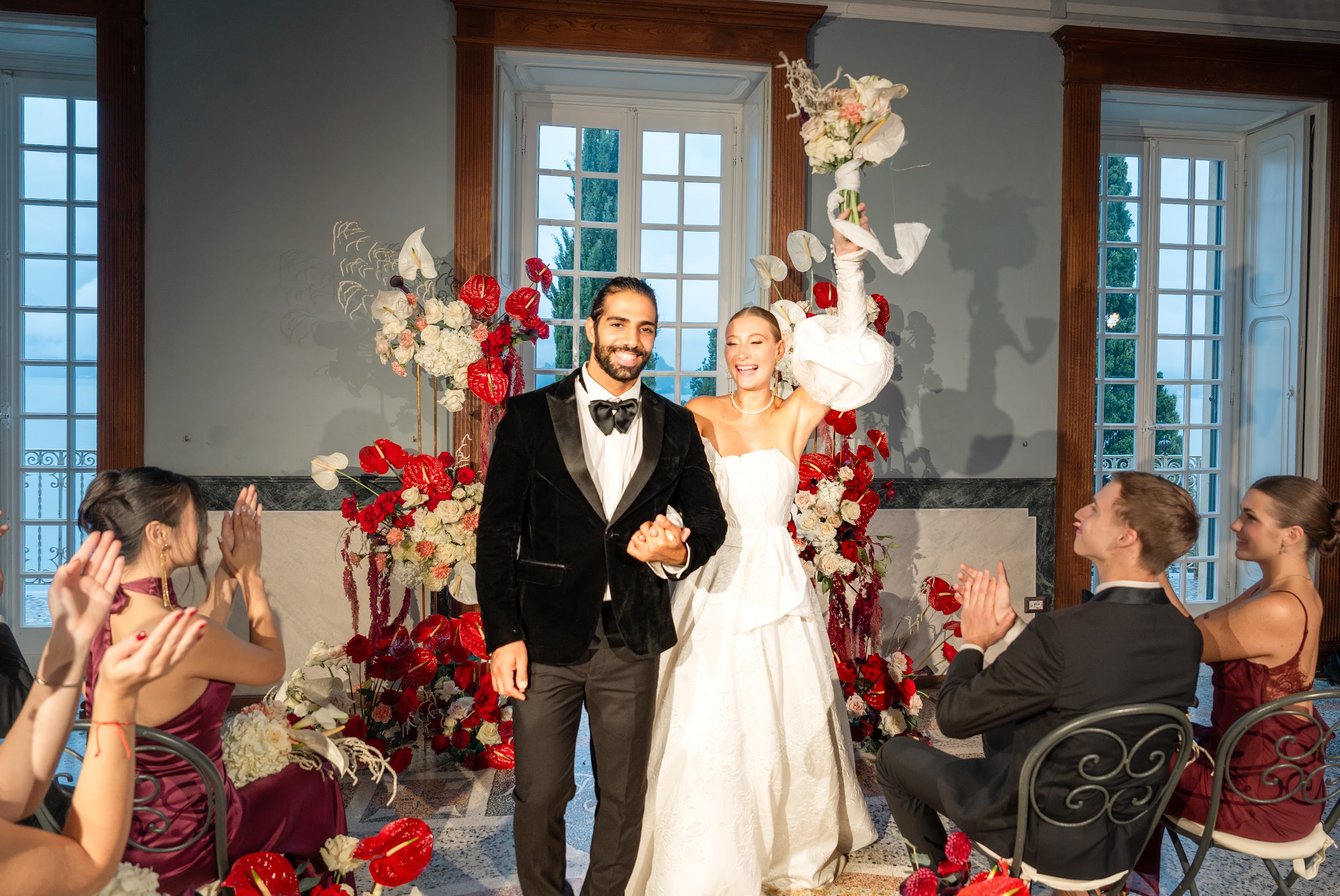
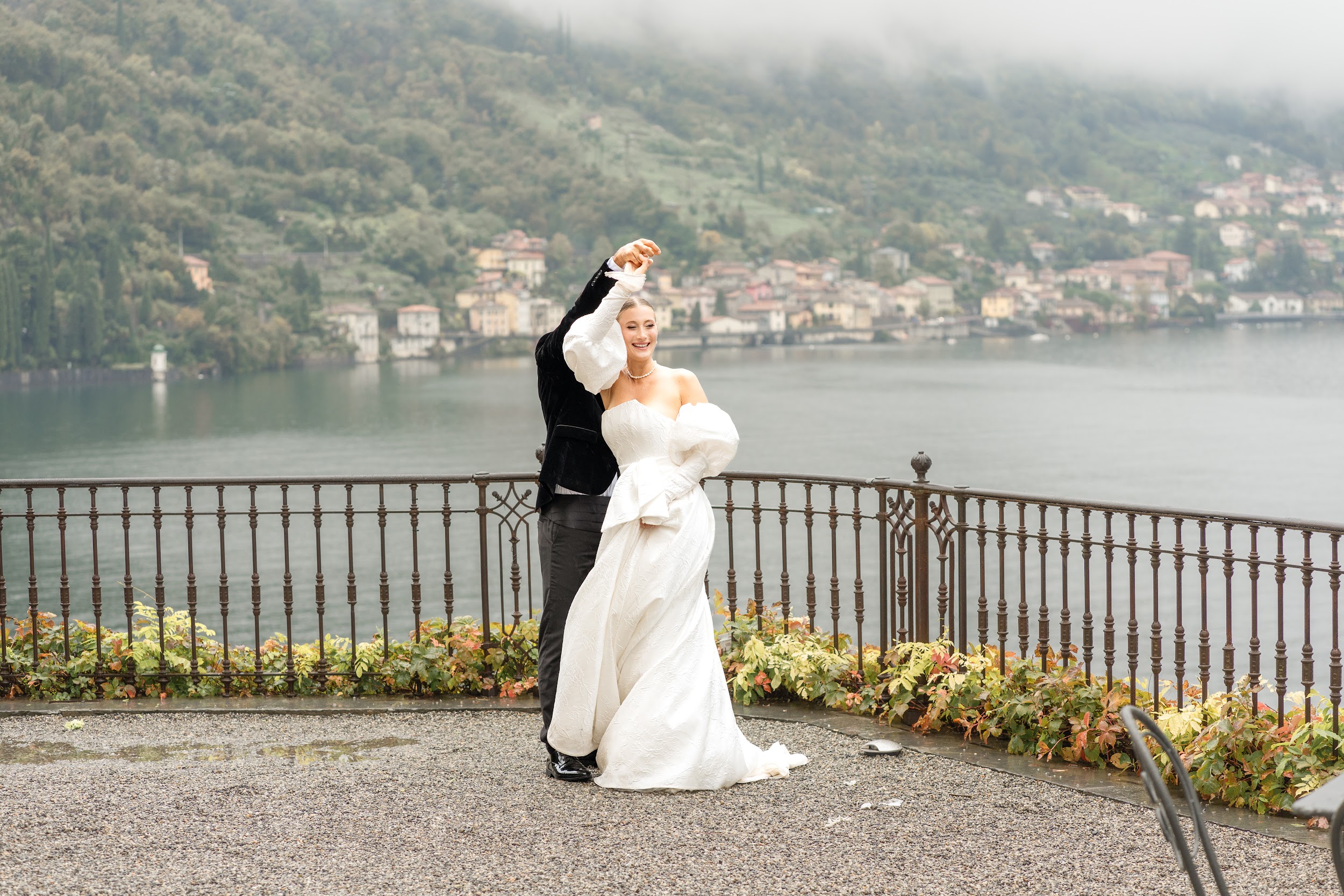
The northern lakes region presents the most complex logistical environment due to the reliance on water transport. While visually striking, these venues require precise timing and coordination of guest movement.
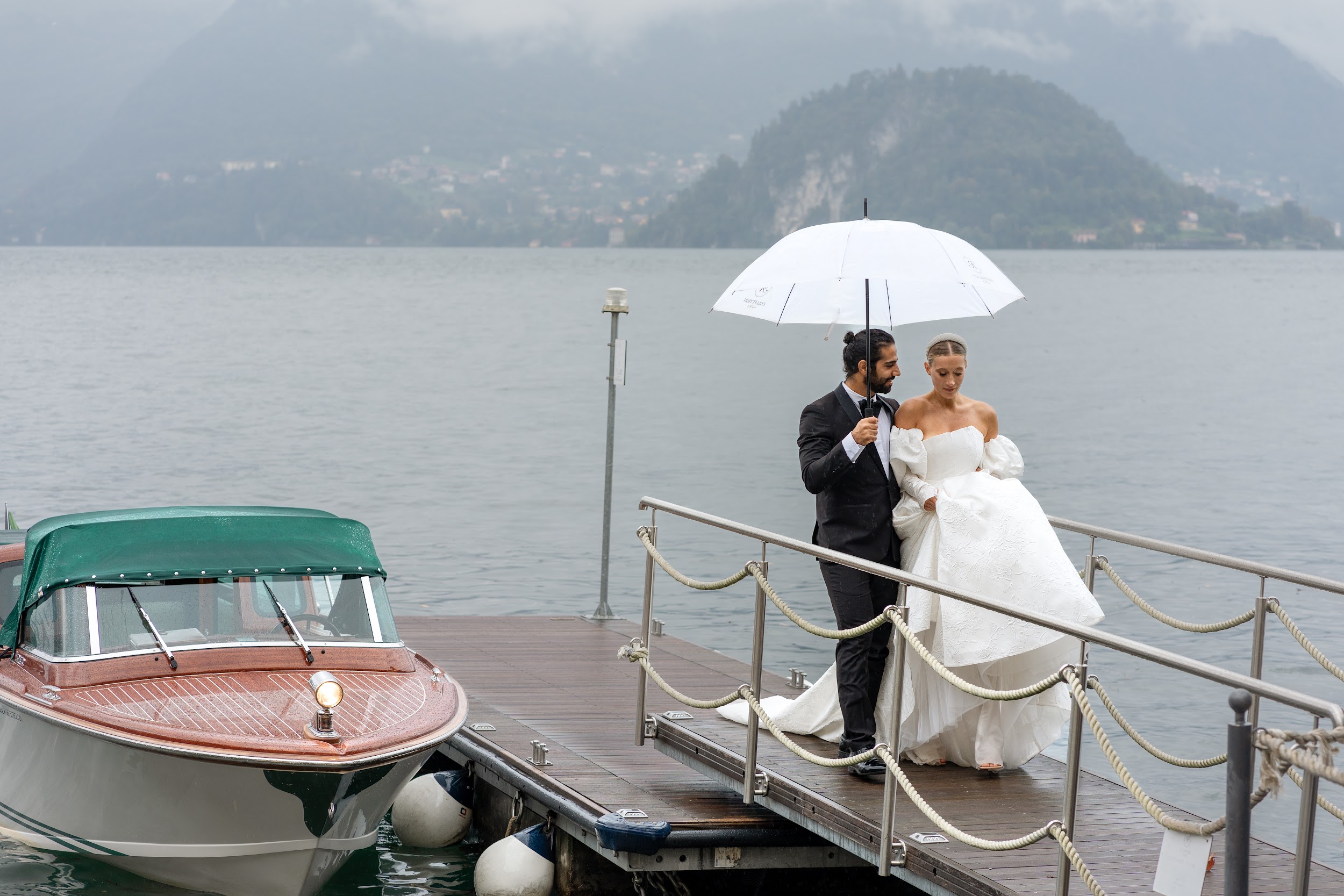
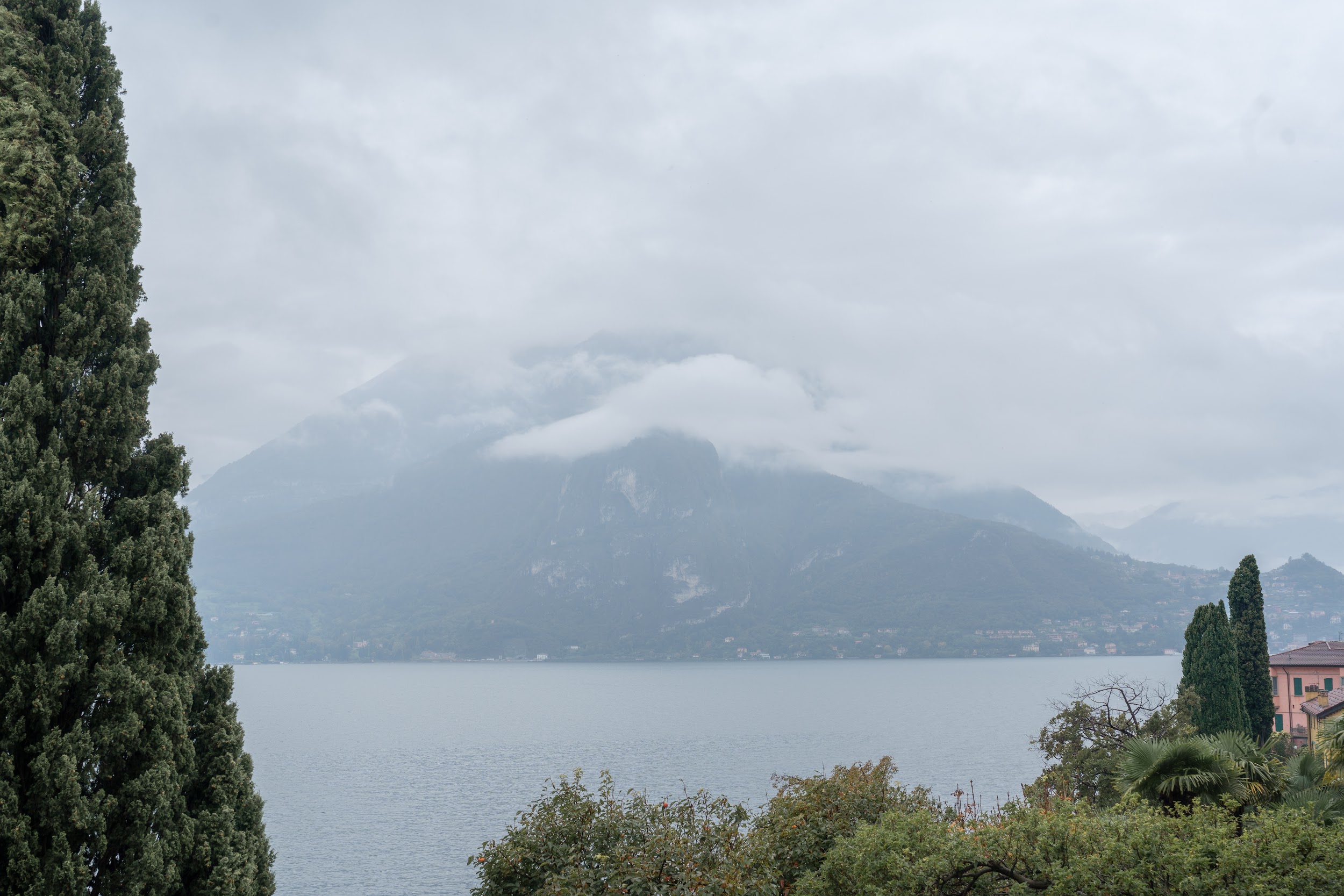
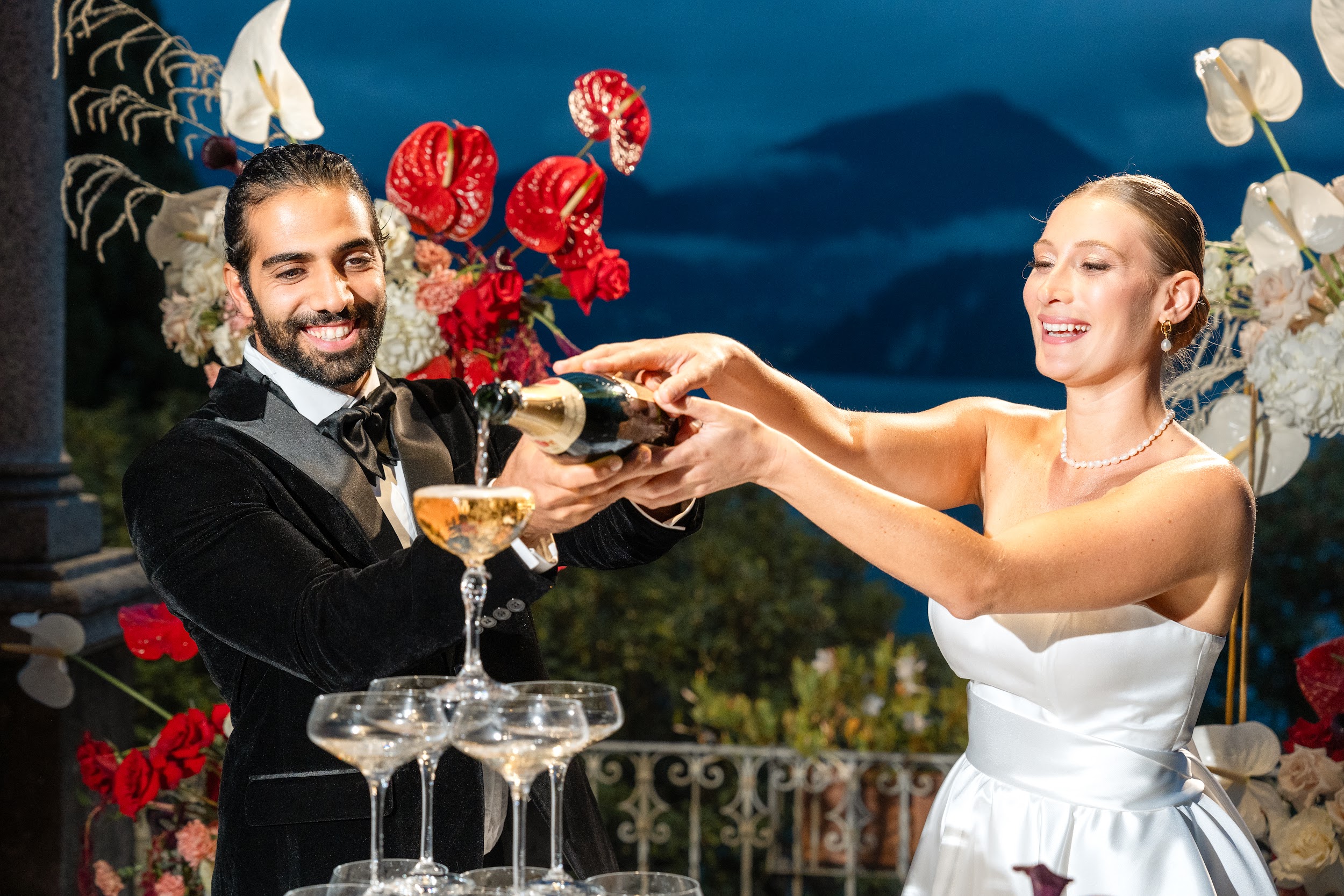
Lakeside wedding venues are defined by their proximity to the water, with Lake Como and Lake Garda serving as the primary hubs. The critical asset of these venues is the terrace—offering water views that serve as the ceremony backdrop. However, unlike villas or castles, many lakeside hotels do not offer exclusive use of the entire property, meaning you may share common areas with other hotel guests unless a full buyout is negotiated.
Key Logistical Parameter:
- Dock Access: Not all venues have private docks. Verify if the venue can accommodate large transport boats (ferries) or only small wooden Rivas.
- Cut-off Times: Due to the density of population around the lakes, outdoor music restrictions are strict, often ceasing at 23:00 or midnight.
Comparative Analysis: Venue Typologies
To assist in the decision-making process, the following table compares the three primary venue categories against critical planning metrics.
| Metric | Countryside Villa | Historic Castle | Lakeside Hotel |
| Typical Capacity | 80–150 Guests | 100–250 Guests | 50–120 Guests |
| Accommodation | High (On-site for 20-60%) | Medium (Bridal party only) | Variable (Hotel dependent) |
| Privacy Level | High (Exclusive Use) | High (Walled/Gated) | Medium (Shared areas) |
| Plan B Cost | Moderate (Marquee often needed) | Low (Indoor halls available) | High (Custom tenting) |
| Music Curfew | Flexible (often indoor late options) | Flexible (thick walls insulate) | Strict (23:00/00:00) |
| Accessibility | Moderate (Gravel paths) | Low (Stairs/Cobbles) | High (Lifts/Paved) |
Expert Conclusion: Prioritizing Function Over Form
When selecting a venue in Italy, “Capacity” is not a single number. You must distinguish between seated dinner capacity and Plan B capacity. A venue may boast a garden capable of holding 200 guests, but if their internal “Limonaia” or hall only holds 100, your guest list is effectively capped at 100 unless you invest in a marquee structure (starting at €125/sqm).
Furthermore, the plan B option is not an insurance policy; it is a likelihood. In regions like the Amalfi Coast or the Lakes, rain showers can occur even in July. Ensure that your venue choice has a viable, aesthetically pleasing backup space that does not require “flipping the room” (moving tables during the event), which disrupts the flow of service.The ideal venue balances the historic residence charm with modern infrastructure—sufficient power phases for catering kitchens, accessible restrooms, and reliable vendor access points. Prioritize these “invisible” logistics to ensure the event runs seamlessly.